The Allensbach survey, presented by Education Minister Katharina Günther-Wünsch, shows that violence and bullying are common in many Berlin schools and calls the results a clear warning. 38% of teachers say pupil violence is a major problem and 18% call it very major. Ninth graders report high rates of insults (63%), humiliation (49%), exclusion (26%) and physical attacks (25%), with 4% saying they were beaten up. The minister urged early intervention, particularly in primary schools.
Study: Violence and Bullying Are Daily Realities in Many Berlin Schools
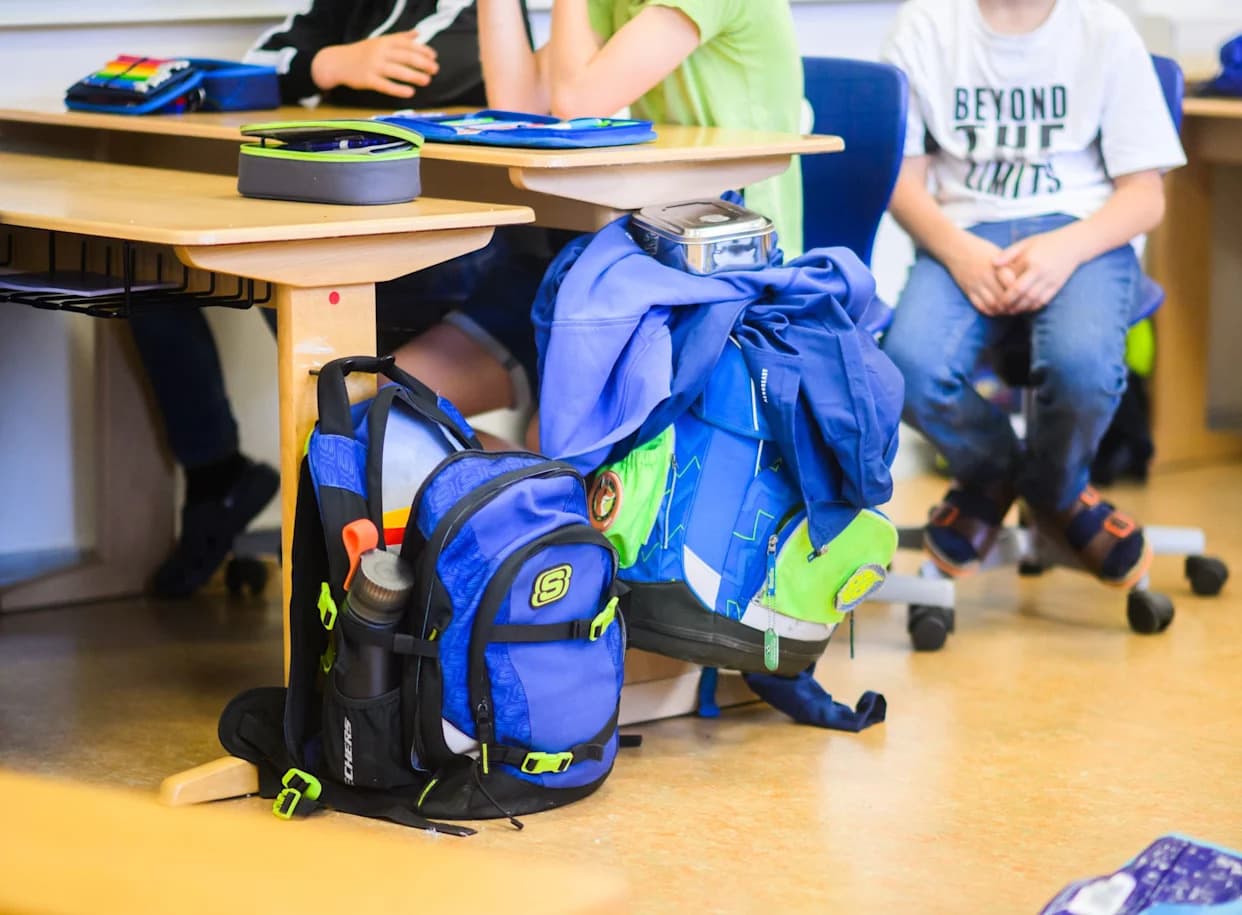
FILE PHOTO - Students sit next to their school bags in the classroom. (is associated with: «Study: Violence and bullying everyday reality at many Berlin schools») Julian Stratenschulte/dpa
A new representative study presented by Berlin's Education Minister, Katharina Günther-Wünsch, warns that violence and bullying have become an everyday reality in many of the city's schools. The minister described the findings as a clear alarm signal for education authorities, parents and the public.
Key Findings
The "Berlin Conflict and Violence Barometer," based on a survey carried out by the Allensbach Institute, found that 38% of teachers and educational staff perceive pupil-on-pupil violence as a major problem at their schools and 18% view it as a very major problem. Pupils' reports corroborate these concerns: incidents range from verbal abuse to physical assaults, including hitting, kicking and beatings.
The pattern is particularly pronounced among ninth graders: 63% reported being insulted, 49% said they had been ridiculed or humiliated, 26% reported exclusion or bullying, 25% reported being hit, kicked or punched, and around 4% said they had been beaten up.
Teachers' Observations and Concerns
According to the survey, around four in five teachers say pupils' frustration tolerance and impulse control have declined and that conflicts escalate more quickly than before. Minister Günther-Wünsch warned that when a majority of teachers perceive violence and conflict as major problems, these are not isolated incidents but systemic issues that demand attention.
She expressed particular concern about rising conflict and aggressive behaviour reported in primary schools, where teachers say children are exploding over trivial matters and disputes escalate faster than in the past.
Methodology
The Allensbach Institute collected data between November 2025 and January 2026. The survey covered just over 14,000 pupils in grades 6, 9 and 12 and more than 2,500 teachers and educational staff.
Günther-Wünsch: "When more than half of teachers perceive violence and conflict at their schools as a major or very major problem, we are not talking about isolated cases."
Education officials called for early intervention, stronger support for school staff, and targeted measures to improve conflict resolution, impulse control and classroom climate—especially in primary schools where problems appear to be rising.
Help us improve.