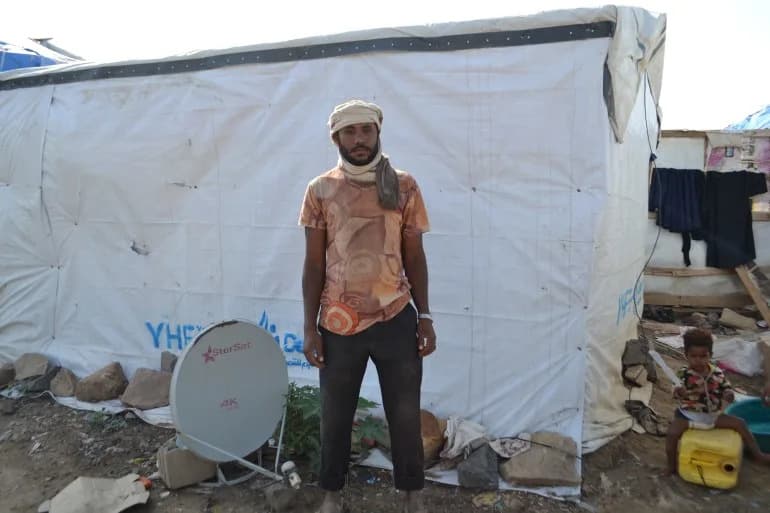
On September 9 the International Day to Protect Education from Attack highlights the daily reality for millions of children whose schools are damaged, occupied or unsafe. The Education Under Attack 2026 report records at least 8,566 attacks in 2024–2025 and over 10,600 education personnel and students harmed—an increase of more than 40% from the previous period. The author argues responses must move beyond post‑attack protection toward resilient education systems featuring preparedness, rapid alternative learning, psychosocial support and community‑led solutions, while insisting on accountability for perpetrators.
Schools Under Fire: How Education Systems Must Be Built to Survive Conflict
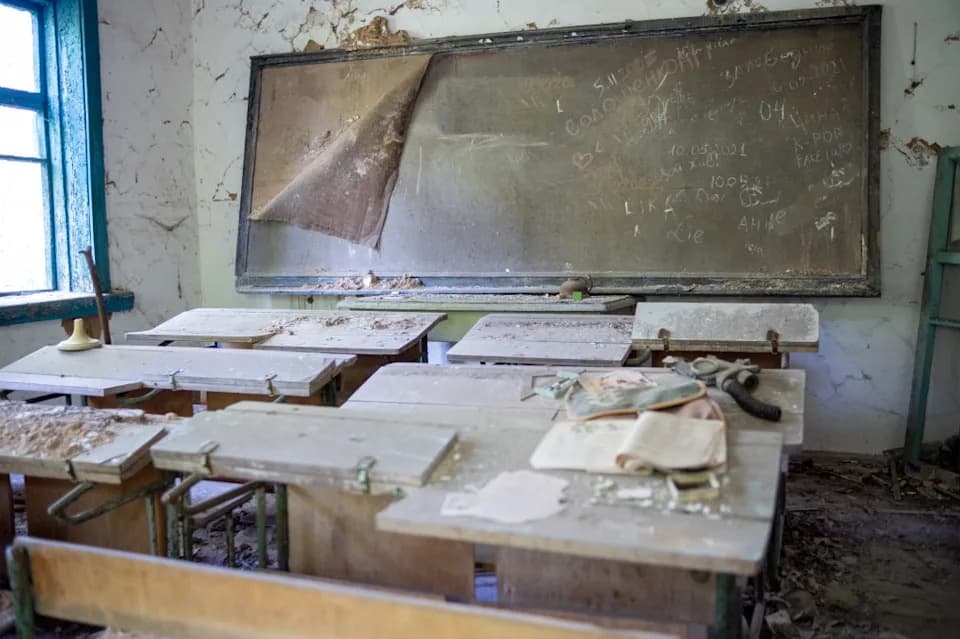
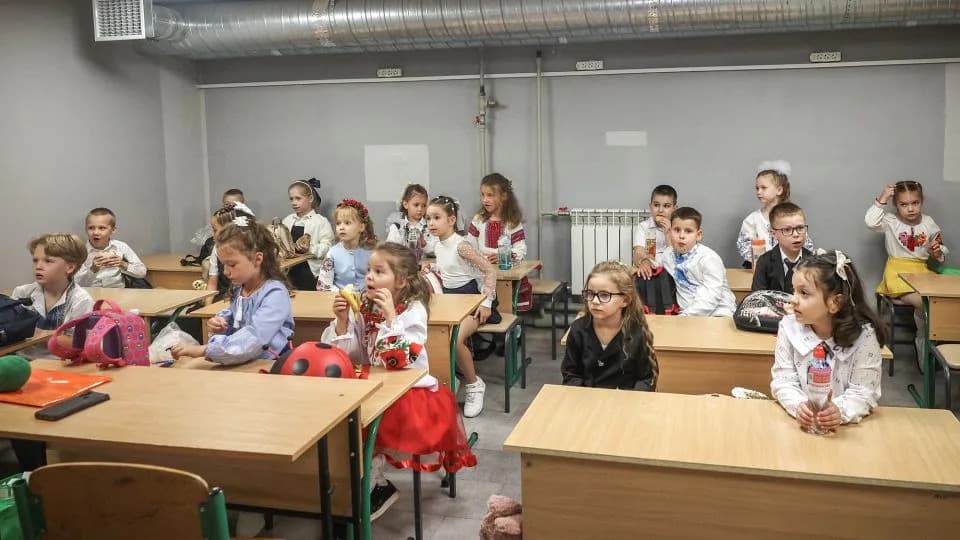
Classroom in an abandoned school in Belarus.
On September 9 the world observes the International Day to Protect Education from Attack — a stark reminder that for millions of children, threats to schooling are not theoretical but part of daily life.
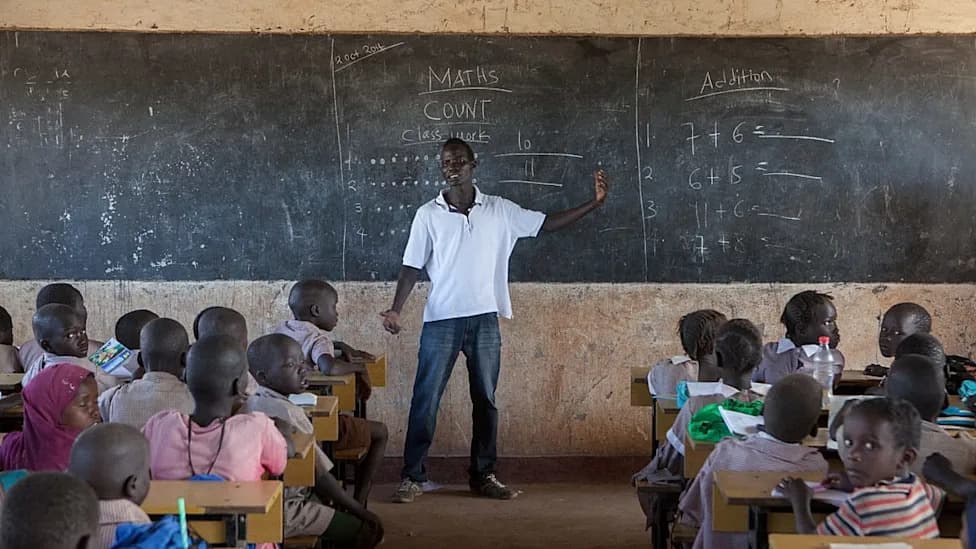
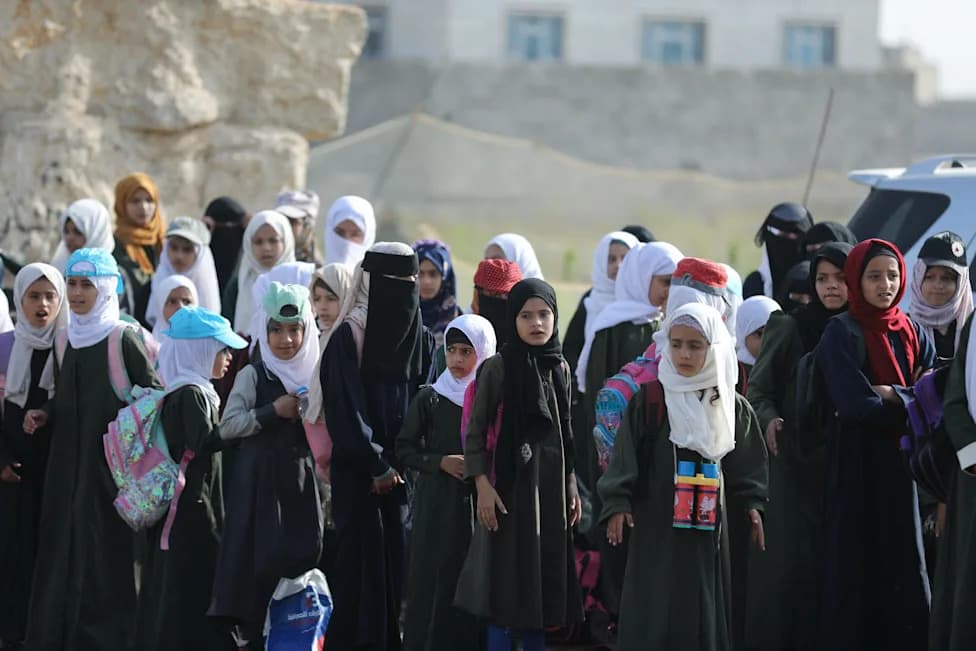
It is the child in Gaza trying to learn after a damaged or destroyed school. It is the teacher in Sudan continuing lessons while displaced and at risk. It is the student in Ukraine studying during air‑raid sirens. It is the family in the D.R. Congo, Colombia, Haiti, Myanmar, Yemen and elsewhere asking whether education can survive another wave of violence.
Schools are never just buildings. They are places of safety, routine, protection, identity and hope. When schools are attacked, the effects extend far beyond interrupted lessons: children lose structure, teachers lose the space to teach, families lose confidence in the future, and communities lose a foundation for recovery.
Rising Attacks, Rising Costs
The Global Coalition to Protect Education from Attack’s Education Under Attack 2026 report documents at least 8,566 attacks on education and incidents of military use of schools and universities in 2024–2025. That represents more than a 40% increase compared with the previous reporting period. The report also records that at least 10,600 students, teachers, professors and education personnel were harmed.
These figures are both a humanitarian alarm and a test of political will.
From Reaction To Resilience
For too long, responses have focused primarily on protection after harm: condemning attacks, tallying damage, launching humanitarian appeals, and rebuilding where possible. These steps are necessary, but they are not enough. The next phase must be bolder: education must be designed to deter the objectives and practical uses of attacks and to continue before, during and after crises.
States have begun to commit to this shift by endorsing UNESCO preventive action plans, an outcome of the UNESCO–Qatar–Education Above All partnership launched at the International Day observance in Paris in 2022. Now that commitment must translate into concrete systems, financing and policy change.
Four Priority Actions
1. Invest in Preparedness. Early‑warning systems, school safety protocols, safe routes to learning, contingency planning and risk‑informed education policies should be mandatory elements of national education plans—especially in conflict‑prone contexts.
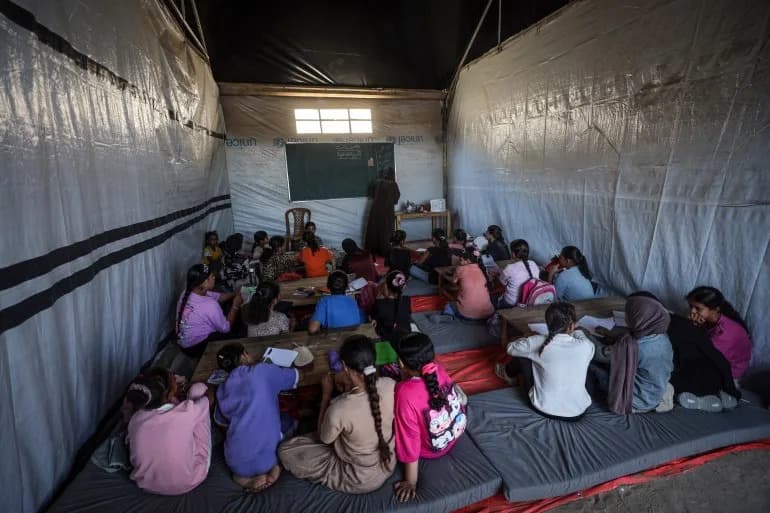
2. Create Rapid Alternative Learning Infrastructure. Temporary learning spaces, community classrooms, self‑learning materials, radio instruction, digital platforms and hybrid models can sustain learning when traditional schools are inaccessible. Technology should complement—not replace—teachers, helping bridge disruption and recovery.
3. Prioritize Mental Health and Psychosocial Support. Children and teachers affected by attacks need safety, trust and care before learning can resume. Psychosocial support must be integrated into education responses so trauma does not become a barrier to schooling.
4. Back Community‑Led Solutions. Families, teachers, youth and local leaders are often the first to act—organizing informal classes, sharing materials and protecting learning spaces. International policy should listen to these efforts, support them technically and financially, and scale what works.
Accountability Matters
Resilience must never become a rationale for normalizing attacks or an excuse for impunity. Designing education systems that can withstand attack is not asking children and teachers to accept violence as inevitable; it is about protecting learning, reducing harm and demanding accountability from perpetrators.
Mohammed Al‑Kubaisi is Chief Executive Officer of the Education Above All Foundation. The views expressed here are the author’s own.
Image caption: Classroom in an abandoned school in Belarus.
Help us improve.