UK researchers report that GLP-1 drugs improved testosterone and several sperm measures in men aged 18–65 after 24 weeks. Liraglutide was associated with higher testosterone, LH and FSH, while semaglutide mainly improved sperm morphology. Experts suggest addressing obesity and metabolic health rather than defaulting to testosterone replacement, but larger and longer studies are needed. Medicare is piloting expanded GLP-1 access.
GLP-1 Drugs Linked to Higher Testosterone and Better Sperm Measures in Men
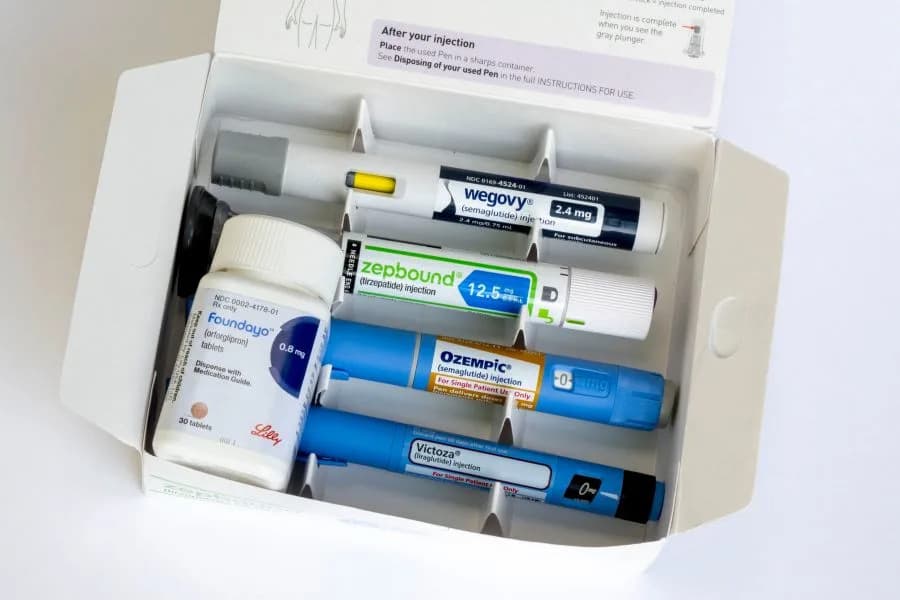
GLP-1 drugs linked to boosting testosterone, sperm count in men
New UK research suggests that GLP-1 drugs may improve testosterone levels and several sperm measures in men, offering a potential non-hormonal approach to addressing some causes of male infertility.
Researchers at University Hospitals Coventry and Warwickshire and Warwick Medical School analyzed the effects of GLP-1 therapies in men aged 18–65 over a 24-week period. They found that treatment with liraglutide was associated with increases in total testosterone, luteinizing hormone (LH) and follicle-stimulating hormone (FSH), while semaglutide was linked to improved sperm morphology (shape).
What the Findings Mean
Obesity and excess body fat are commonly associated with low testosterone and reduced sperm counts. Excess adiposity can also lower levels of sex hormone-binding globulin (SHBG), which affects how testosterone circulates in the bloodstream. Improving metabolic health — through weight loss, lifestyle changes, or medications that target metabolism — may help restore hormonal balance and protect fertility.
“The analysis supports a shift away from prescribing testosterone replacement in men with obesity and low testosterone and toward treating the underlying cause — excess weight and poor metabolic health — which can naturally restore hormone levels and preserve fertility,” said Dr. Pratibha Natesh of Warwick Medical School.
According to Yale Medicine, about 15% of couples in the United States struggle to conceive, and male factors contribute to more than half of those cases. The study's results are promising, but the researchers and clinicians caution that larger and longer-term trials are needed to confirm benefits for fertility and to assess safety.
Separately, Medicare has launched a pilot program to expand access to GLP-1 drugs, which could increase availability for eligible patients if longer-term evidence supports broader use.
Bottom line: GLP-1 therapies appear to offer metabolic benefits that may translate into improved reproductive hormones and sperm parameters in men, but clinicians should await further research before changing routine practice.
Help us improve.