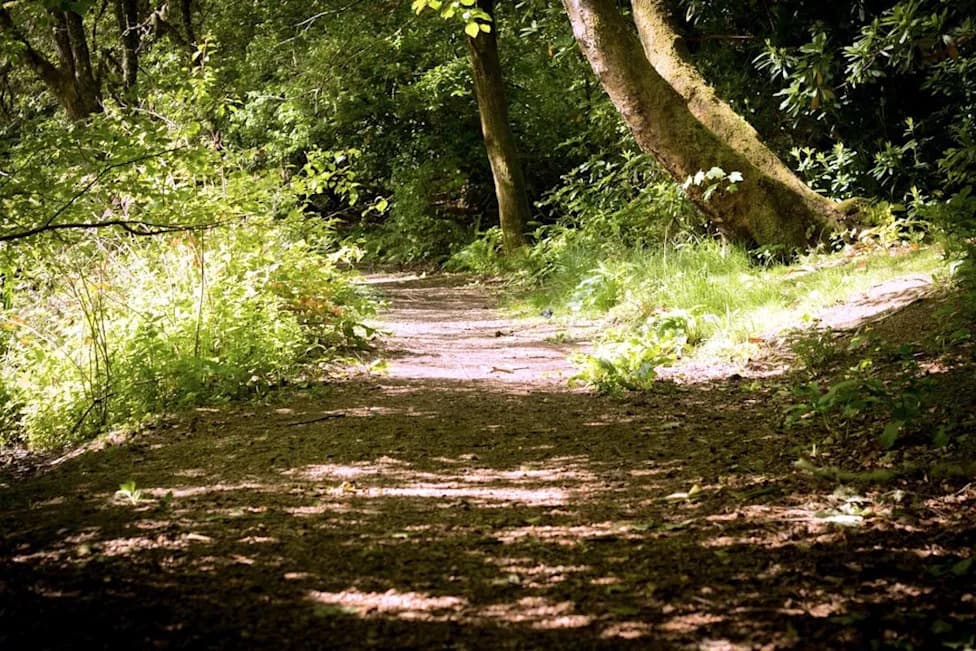
This pilot study scanned 60 participants’ hippocampi before and after one-hour walks—30 in a forest and 30 along a busy shopping street. The subiculum, a hippocampal subregion involved in stress regulation, increased in volume after forest walks but not after urban walks. Larger subiculum increases in the forest group correlated with greater reductions in rumination. Authors call the result an intriguing early signal that requires replication.
One-Hour Forest Walks May Briefly Reshape a Stress-Related Brain Region, Pilot Study Finds
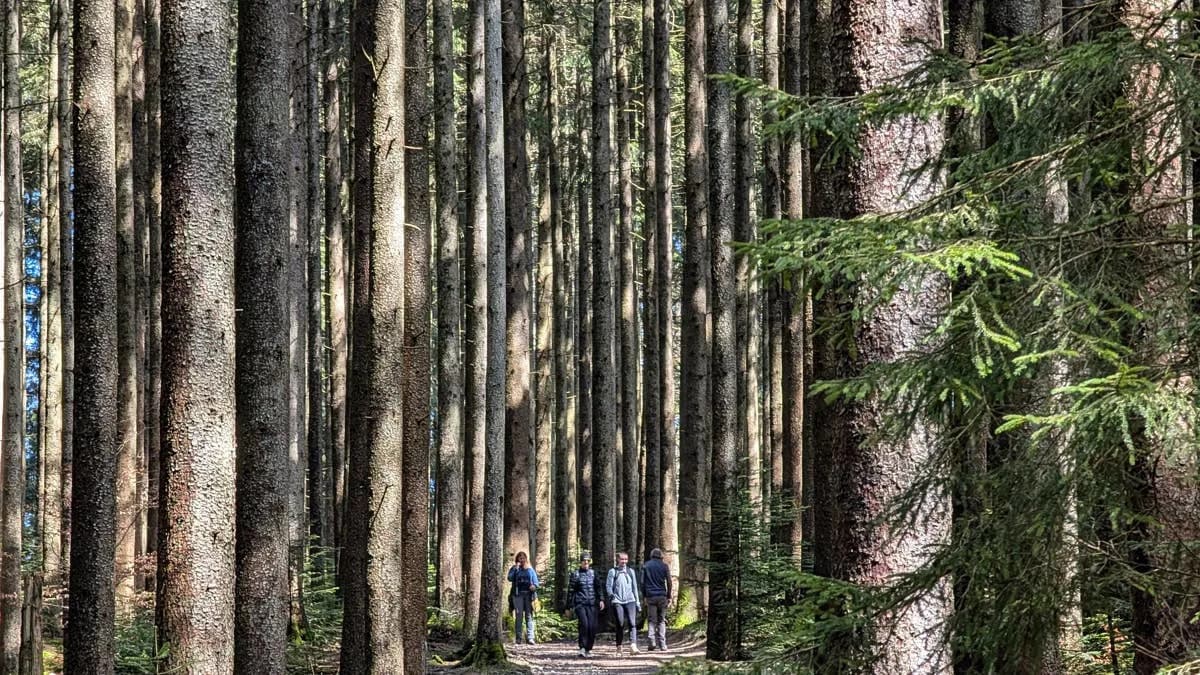
Stress is unavoidable but manageable. Whether from finances, relationships, or generalized anxiety, people commonly seek simple coping strategies—and new research suggests a short walk in nature may produce measurable brain changes linked to stress regulation.
What The Study Did
Researchers recruited 60 adults and sent them on one-hour walks: 30 participants walked through a forest and 30 walked along a busy shopping street. Each person received brain imaging focused on the hippocampus immediately before and immediately after the walk so researchers could detect any short-term structural changes. Using pre- and post-walk scans reduced reliance on self-report and provided objective measurements.
Key Findings
Compared with the urban-walk group, participants who walked in the forest showed an increase in the volume of the subiculum, a small subregion of the hippocampus that helps moderate the body's stress response. Within the forest group, larger increases in subiculum volume correlated with larger reductions in rumination (repetitive, unwanted negative thoughts). This correlation was not observed in the shopping-street group.
Why It Matters
The authors describe this as the first study to suggest that even a brief exposure to nature can produce measurable changes in brain structure rather than only transient shifts in activity or mood. Because stress and rumination are linked to depression and other mental-health problems, the result is an intriguing sign that nature exposure might help buffer those risks via a specific stress-regulating brain region.
Limitations And Cautions
The research team emphasizes that this was a pilot, exploratory trial with tentative statistical evidence. The authors note the effect's statistical strength is modest and that replication in larger, pre-registered studies is required before drawing firm conclusions. The study does not prove causation or long-term structural change.
Takeaway
While preliminary, the study provides an objective, well-designed early signal that a one-hour walk in a forest environment may nudging a stress-regulating hippocampal subregion in a positive direction. For readers, a practical, low-risk step—spending time in green spaces—may help reduce rumination and improve short-term stress responses, pending further research.
Source: Originally published by Men's Fitness on Jun 21, 2026.
Help us improve.