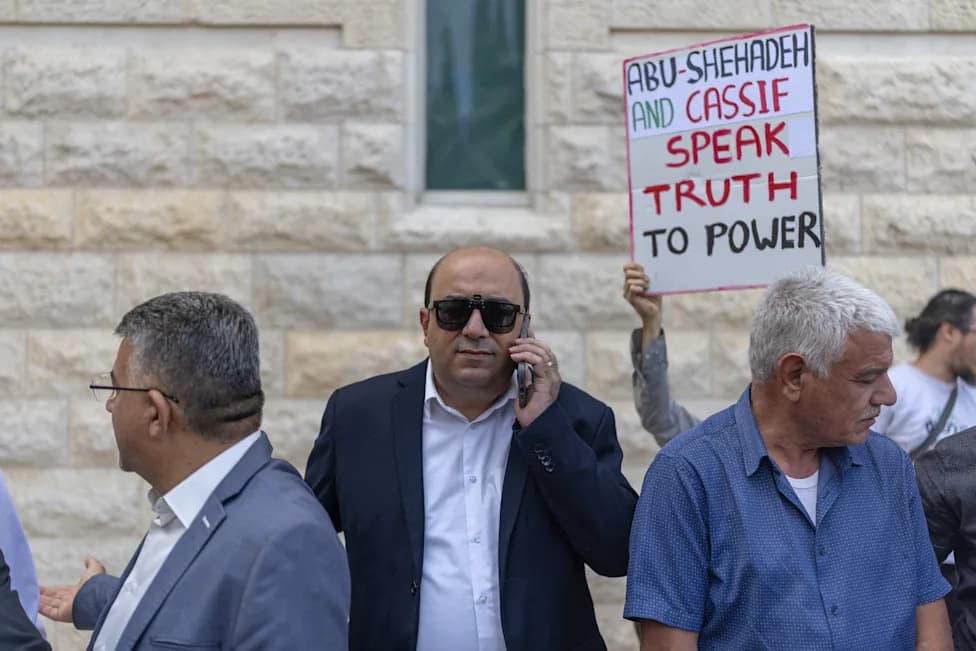
The High Court held a full 11-justice hearing on six petitions challenging a March 2025 Knesset amendment that alters the Judicial Selection Committee by replacing Bar Association representatives with politician-picked public lawyers and lowering appointment thresholds. Justices warned the reform could give politicians an effective majority and gradually erode judicial independence, a concern echoed by the Attorney-General. The government defended increased political participation, while the court considers whether the amendment breaches separation of powers. The session was briefly interrupted when an MK was removed from the gallery.
High Court Questions Judicial Selection Overhaul, Warns Of Political Influence
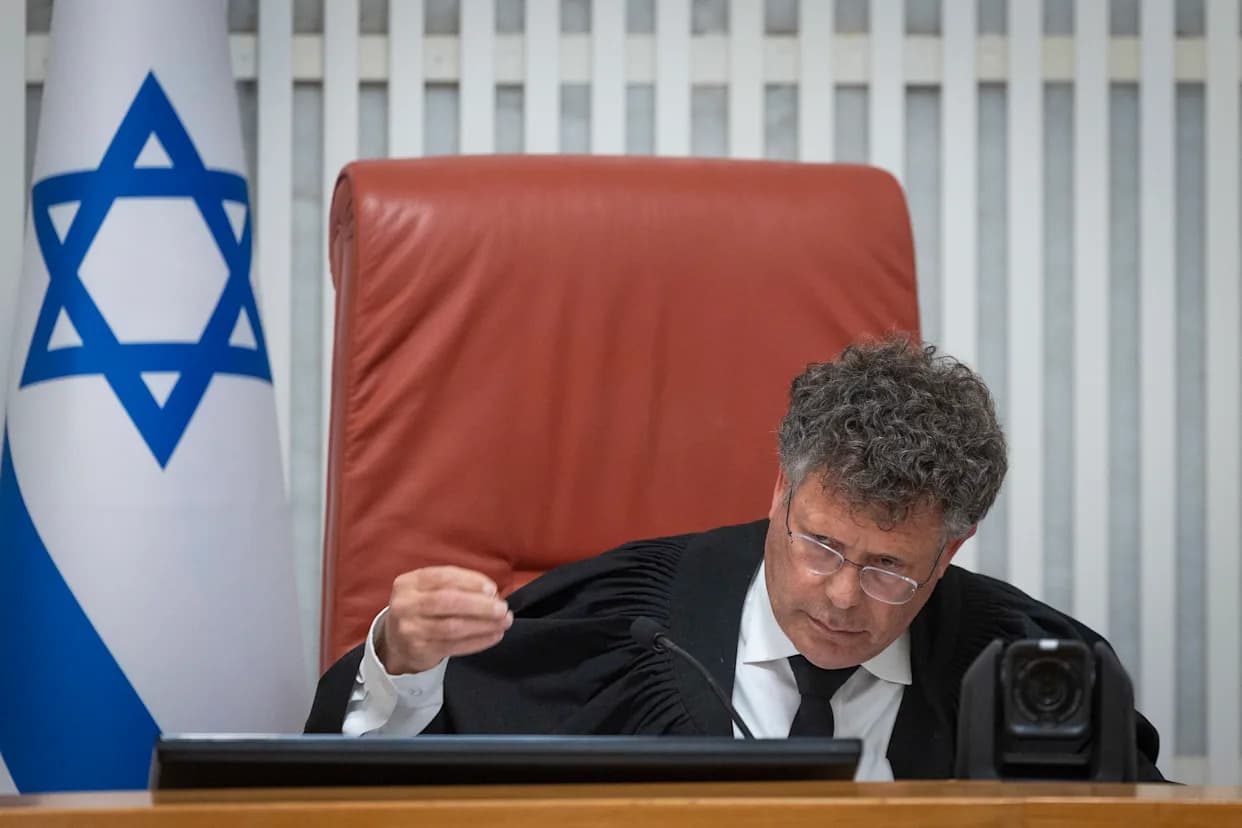
Supreme Court President Isaac Amit arrives for a hearing on a petition concerning the continuation of the criminal investigation into alleged leaks in the “Sde Teiman” affair at the Supreme Court in Jerusalem, May 31, 2026. (photo credit: CHAIM GOLDBERG/FLASH90)
The High Court of Justice convened an expanded 11-justice panel on Sunday to hear six consolidated petitions challenging a Knesset amendment that changes how Israel's Judicial Selection Committee is composed and how Supreme Court justices are appointed. The justices repeatedly probed whether the reform would tilt appointments toward political control and undermine judicial independence.
Background
The petitions seek to annul an amendment to the Basic Law: The Judiciary and the Courts Law, passed by the Knesset in March 2025 and set to take effect with the next Knesset. The court has already issued a conditional order, requiring the Knesset and government to explain why the measure should remain in force.
What the Reform Changes
Under the previous nine-member committee, three seats were reserved for Supreme Court justices, two for Israel Bar Association representatives, two for ministers (including the justice minister) and two for members of the Knesset. The new law removes the Bar Association representatives and replaces them with two public representatives who are lawyers eligible for the Supreme Court bench—one chosen by the coalition and one by the opposition.
The amendment also lowers the appointment thresholds. Supreme Court nominations would no longer require the prior seven-member supermajority; instead, selections could be completed through agreements between coalition and opposition representatives, potentially without the support of any judge on the committee. Petitioners argue this creates an effective political majority that could reach six members versus three judges.
Concerns From the Bench
Supreme Court President Isaac Amit opened the hearing by stressing the significance of the change after decades of the former arrangement and urging parties to focus on whether the amendment violates the constitutional principle of an independent judiciary. He warned the law’s full effects would only become apparent over years.
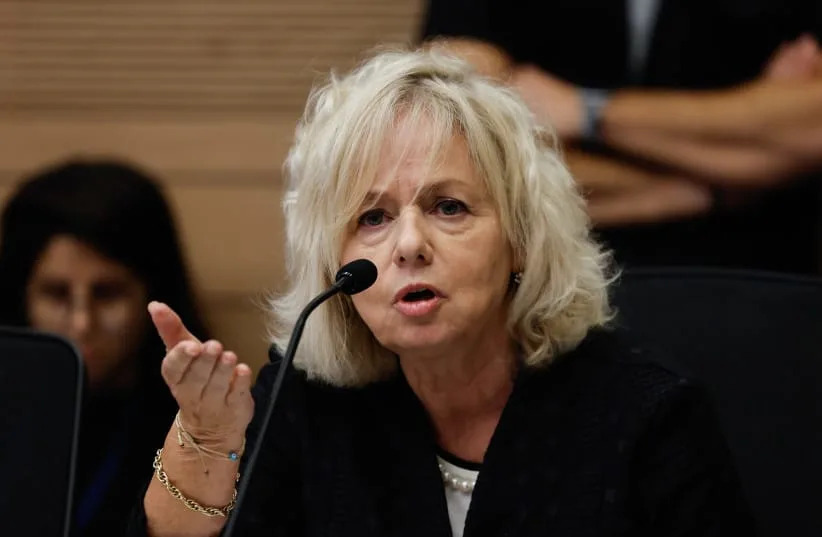
Attorney general Gali Baharav-Miara at a Constitution, Law and Justice Committee meeting at the Knesset, in the Israeli parliament on September 30, 2025. (credit: OREN BEN HAKOON/FLASH90)
“Within a year of the next Knesset being elected, two judges could be selected with ‘chosen by the coalition’ and ‘chosen by the opposition’ written on their foreheads,” Amit said. “Over 15 years, the benches of the Supreme Court will be filled by judges selected only by political actors.”
Justice Dafna Barak-Erez said the amendment is already shaping behavior, discouraging appointments before it takes effect. Justice Alex Stein warned that lower-court judges seeking promotion might feel pressured to curry favor with politicians. Justice Yechiel Kasher questioned the prospects for highly qualified judges without visible political leanings. Justice Yael Willner flagged the law’s deadlock-break mechanism, which could allow appointments without a full committee vote.
Arguments For And Against
Yitzhak Bart, representing the Knesset’s legal counsel, said the reform responds to long-standing complaints that elected officials lacked sufficient influence over judicial appointments and to concerns about perceived ideological homogeneity on the bench. The government’s counsel, Dr. Yaakov Ben-Shemesh, argued that greater political participation does not inherently undermine professionalism or independence and that elected representatives may legitimately seek a stronger role.
Attorney-General Gali Baharav-Miara has sided with the petitioners, arguing the amendment upends the balance between professional and political members and creates incentives that could influence both aspiring and sitting judges. Several justices questioned whether narrower remedies could have addressed concerns about the Bar Association instead of removing its representatives entirely.
Courtroom Moment
The hearing was briefly disrupted when Likud MK Tally Gotliv shouted from the public gallery and was subsequently removed after repeated warnings.
What Happens Next
The court will weigh constitutional questions about separation of powers, judicial independence and whether the amendment constitutes an unconstitutional change to a Basic Law. The Knesset and government have argued the petitions are premature because the amendment will only apply from the next Knesset and that the court lacks authority to invalidate a Basic Law; petitioners and the Attorney-General maintain the changes are already harmful and should be struck down.
Help us improve.