Itamar Ben‑Gvir has told Police Commissioner Danny (Daniel) Levi he will not approve senior Israel Police appointments until after the Oct. 27 election, citing legal restrictions and concerns about public trust during the election period. Ben‑Gvir referenced prior attorney‑general guidance limiting appointments ahead of incoming governments and allowed that exceptional cases could be reviewed individually. The move deepens tensions with police leadership, who warn they may petition the High Court and say about NIS 500 million earmarked for the police remains held up at the ministry.
Ben‑Gvir Freezes Senior Police Appointments Ahead of Oct. 27 Election, Escalating Row With Commissioner Levi
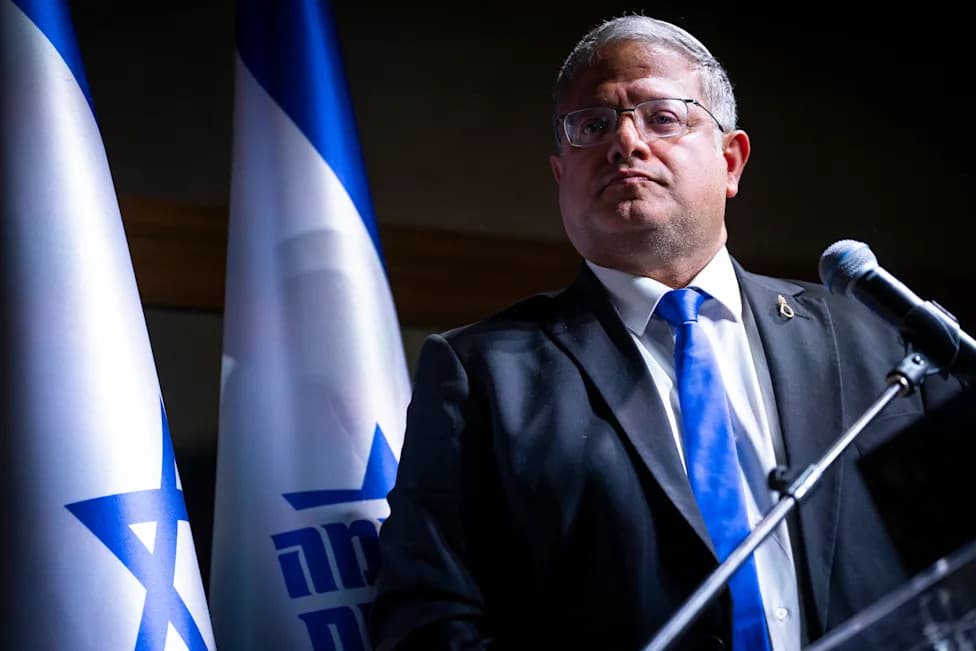
Otzma Yehudit party chairman and National Security Minister Itamar Ben-Gvir attends a supporters' conference ahead of the upcoming general elections in Netanya, September 1, 2026. (photo credit: ERIK MARMOR/FLASH90)
National Security Minister Itamar Ben‑Gvir has informed Israel Police Commissioner Insp.-Gen. Danny (Daniel) Levi that he will not approve appointments of senior police officers until after the upcoming election on October 27, arguing that advancing promotions now could undermine public trust and may conflict with legal limits on government activity during an election period.
What Ben‑Gvir Said
In a letter titled "Your desire to hold a round of police officer appointments about a month and a half before elections," Ben‑Gvir reminded the commissioner that the Knesset is in recess and that restrictions apply to public‑service appointments during an election period. He said the timing risks harming public confidence and therefore opposed holding a round of senior police promotions now.
Ben‑Gvir added that roughly four months ago he had proposed accelerating the appointments process, but he said Levi did not then provide a list of candidates. He insisted his decision is not a personal critique of police personnel:
"This is not, God forbid, any kind of statement against the wonderful male and female officers of the Israel Police," he wrote, framing the move as a public and legal matter.
Precedent and Exceptions
The minister cited earlier attorney‑general guidance given when the current government took office, which directed a broad pause on senior police appointments ahead of an incoming administration. Ben‑Gvir said the same standard should be applied now and concluded: "I hereby inform you that as the minister responsible for the police, there will be no further appointments of senior officers in the Israel Police until after the elections."
His office later clarified that exceptions could be made in exceptional, compelling cases: any such case would be considered individually after the commissioner presents reasons. Otherwise, appointments will be taken up after the vote.
Escalating Tensions With Police Leadership
The letter comes amid a broader dispute between Ben‑Gvir and Commissioner Levi. According to sources close to the minister, Levi had initially received approval to prepare recommendations after raising concerns about numerous appointments in the Israel Prison Service. Levi then assembled recommendations, but Ben‑Gvir says he blocked formal approvals when the attorney‑general's guidance on election‑period appointments was cited.
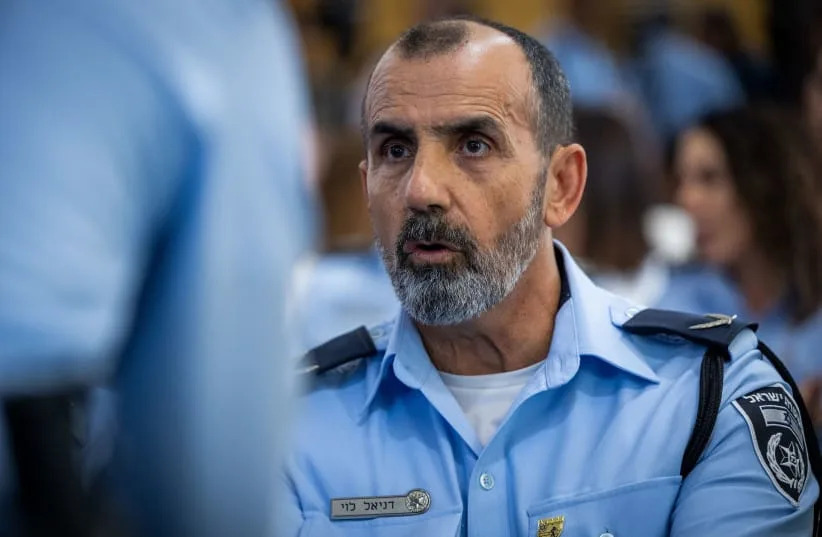
Newly appointed Police Commissioner Daniel Levi at a ceremony of new appointments and ranks of the Israeli police, at the Ministry of National Security in Jerusalem, on July 4, 2023. (credit: YONATAN SINDEL/FLASH90)
Those sources say Attorney‑General Gali Baharav‑Miara discussed allowing certain appointments to proceed if a deputy police legal adviser were also appointed, even proposing a candidate. Ben‑Gvir's aides say the minister invoked the attorney‑general's earlier position to justify pausing the process.
Police Command Pushback
Senior police figures at the rank of deputy commissioner warned they may petition the High Court of Justice if Ben‑Gvir refuses to sign off on appointments approved by the commissioner's office. They described the freeze as damaging to operational readiness and to the minister's record.
Those officials also said about NIS 500 million, transferred in March to the National Security Ministry and earmarked for the police, remains held up and has not been released to the force. They say the delay has stalled station renovations and critical purchases—such as patrol vehicles—needed to tackle crime in several regions.
Levi's Response
Commissioner Levi and his senior command have defended the appointments as professional and operationally necessary, citing vacancies in key posts such as the Ayalon District command and the head of the Planning and Organization Division. Levi said he will not yield on professional decisions and defended his record, acknowledging possible past errors but denying non‑professional motives.
Levi told colleagues he would give the dispute only a few days, emphasizing that the police belong to the public and that maintaining a strong force is in the national interest.
What Happens Next
The dispute leaves several questions unresolved: whether any limited exceptions will be approved before the election, whether the withheld NIS 500 million will be released, and whether senior officers will petition the High Court of Justice. Both sides frame their positions as legally and operationally grounded, so the matter is likely to remain a high‑profile issue through the election period.
Help us improve.