U.S. Senator JD Vance has traveled to Switzerland to lead a new round of talks with Iran after days of uncertainty. He said he expects to stay "a day or two" and hopes to make progress on both the nuclear dossier and a Lebanon ceasefire. The visit follows Israeli strikes on Iran-backed Hezbollah and Iran's announcement that it closed the Strait of Hormuz. Jared Kushner and special envoy Steve Witkoff were already in Switzerland addressing technical matters.
JD Vance Flies to Switzerland to Lead U.S. Talks With Iran Amid Rising Tensions
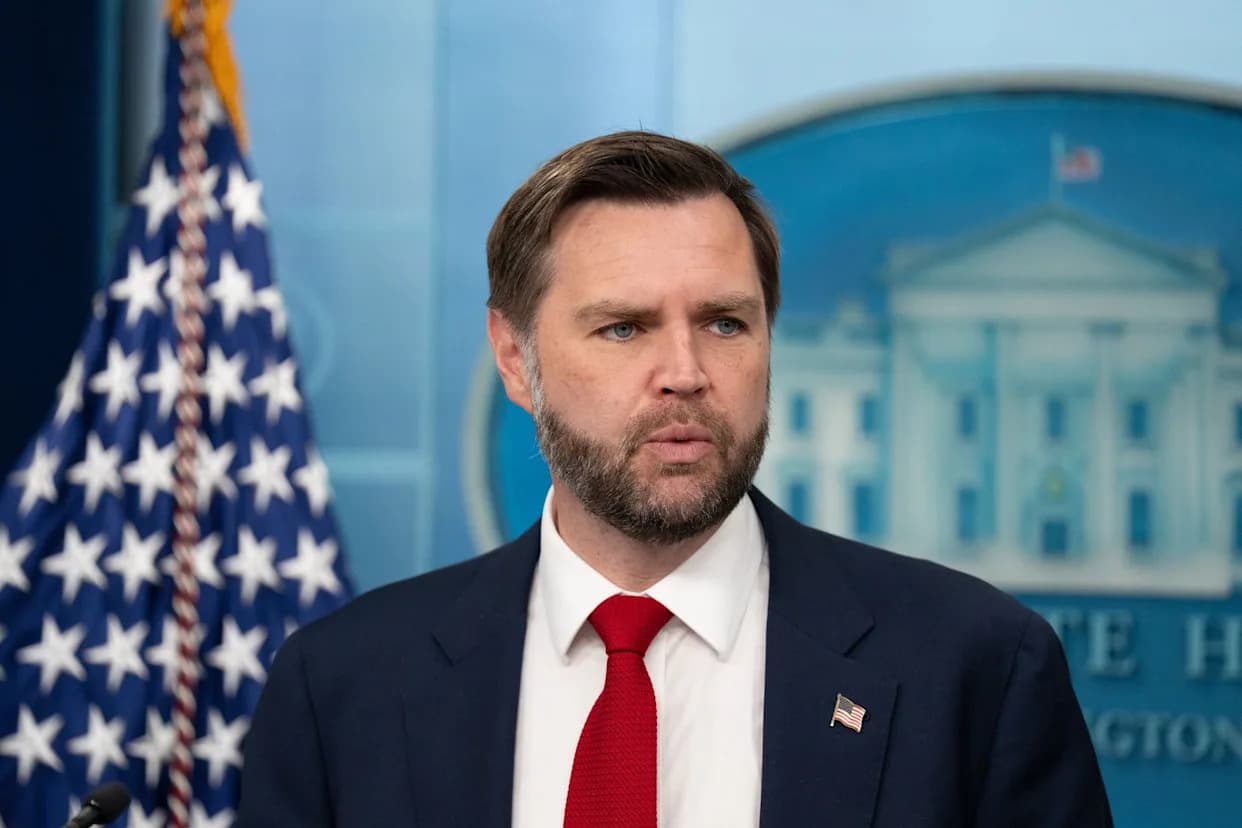
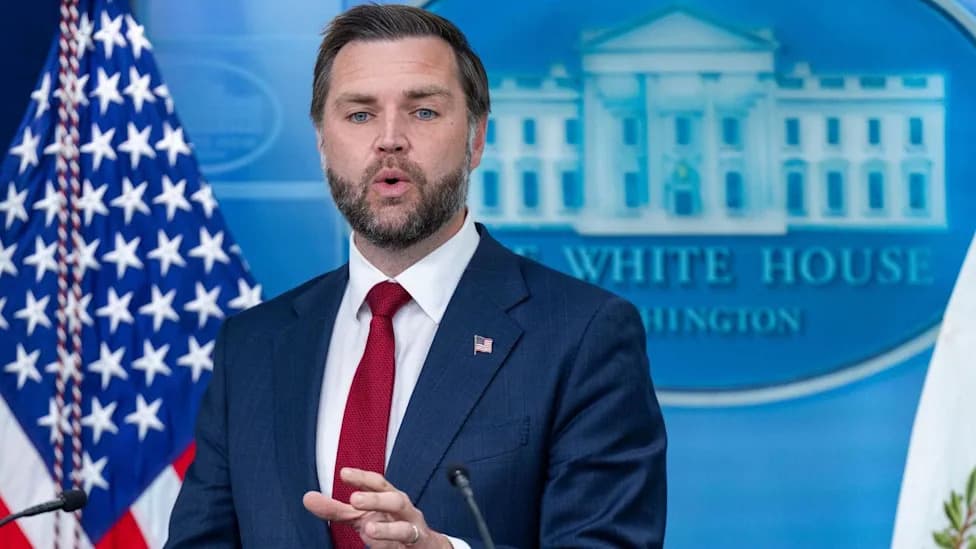
FILE PHOTO - US Vice President JD Vance briefs the press corps in the White House briefing room about the recently agreed US-Iran Memorandum of Understanding (MOU). (is associated with: «Vance heads to Switzerland to lead fresh round of US talks with Iran») Andrew Leyden/ZUMA Press Wire/dpa
U.S. Senator JD Vance has flown to Switzerland to lead a fresh round of negotiations with Iranian officials after several days of uncertainty over whether the talks would proceed.
"I can only be there for a day or two," Vance said before departing, adding that the negotiations would continue at a lower level after his visit.
"I think we're going to hopefully make progress on the nuclear issue, make progress on the Lebanon ceasefire issue," he said.
Israeli strikes on the Iran-backed Hezbollah militia in Lebanon have emerged as a major source of tension between Washington and Tehran. In response to escalating regional hostilities, Iran on Saturday announced the closure of the Strait of Hormuz — a move that raised global concern about maritime security and energy shipments.
Only hours before Vance's departure, timing for the trip remained unclear; the talks had originally been scheduled to begin on Friday. Vance confirmed that meetings were already under way in Switzerland and that senior aides were on the ground preparing technical details.
He named Jared Kushner, the son-in-law of former President Donald Trump, and special envoy Steve Witkoff as members of the U.S. team who had already arrived. "Jared and Steve have been on the ground now for a few hours, dealing with some of the technical elements of this negotiation," Vance said. "My understanding talking to Steve and Jared this morning is that things are going well."
Diplomats expect Vance's short visit to focus on bridging gaps on the nuclear file and securing movement toward a ceasefire in Lebanon, while follow-up talks at a lower level continue after his departure.
Help us improve.