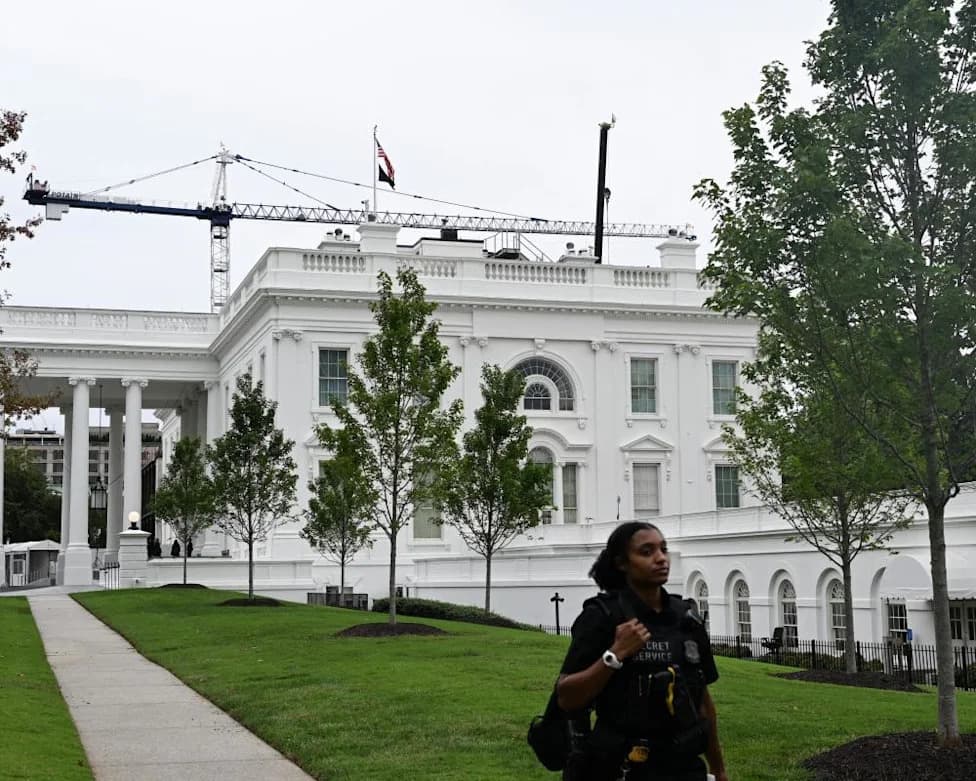
The U.S.-Iran memorandum of understanding drew sharp skepticism from Senate Republicans after physical copies were circulated on Capitol Hill. Critics — including Sen. Bill Cassidy and Sen. Roger Wicker — warned the pact could reverse gains from Operation Epic Fury and objected to a proposed $300 billion fund for Iran. Vice President JD Vance defended the agreement, saying benefits are contingent on behavioral changes, while Sen. Ted Cruz and Sen. Deb Fischer urged strict safeguards to prevent funds from rebuilding Iranian military capabilities.
Senate Republicans Express Deep Skepticism Over Fragile U.S.-Iran Memorandum
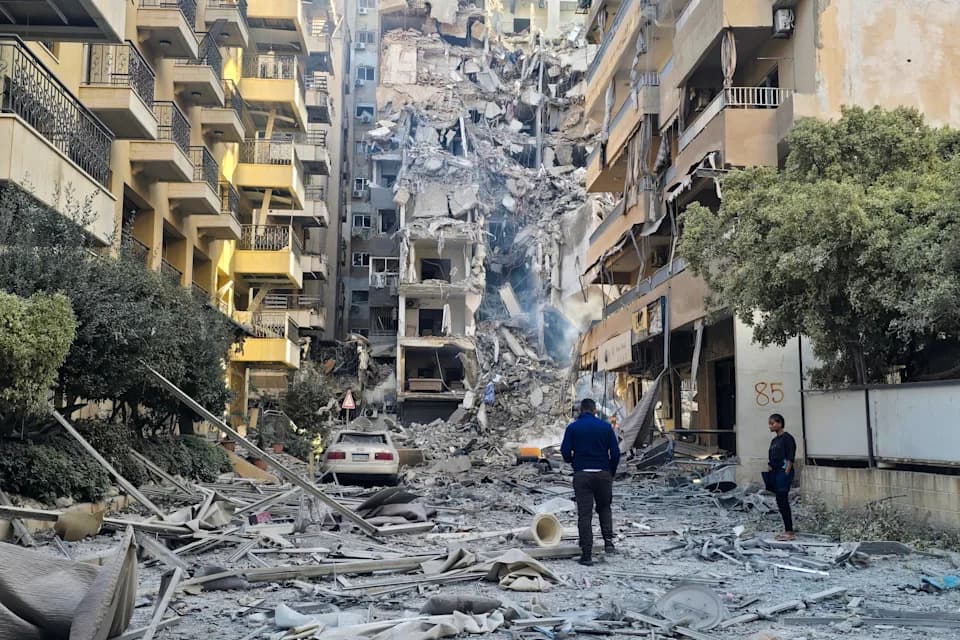
See the trail of devastation and grief left by theIran Warthat began on Feb. 28, 2026, when the United States and Israel launched joint airstrikes, known as Operation Epic Fury, targeting Iranian military and government sites.Pictured here, people look at the damages at the site of an Israeli strike in Tyre, southern Lebanon, on May 28, 2026. The Israeli military said on May 28 it had begun new strikes on Hezbollah infrastructure around the southern Lebanese city of Tyre after issuing an evacuation warning to its residents.(KAWNAT HAJU, AFP via Getty Images)
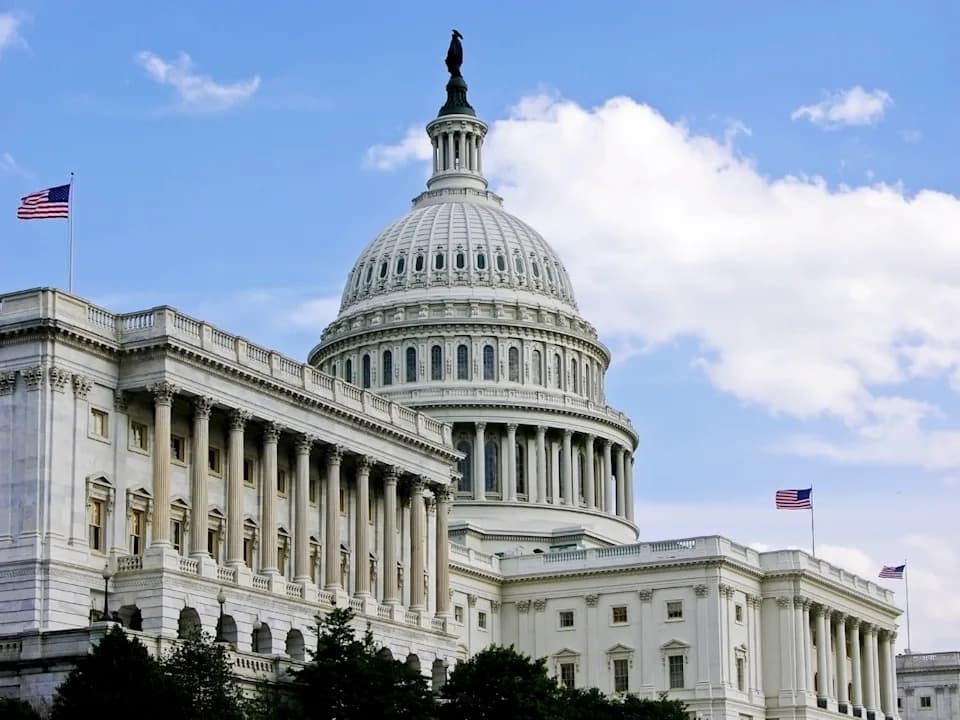
WASHINGTON — After Senate Republicans were finally handed physical copies of the U.S.-Iran memorandum of understanding this week, many responded with skepticism rather than celebration. Lawmakers warned the document, which the White House hopes to use as the basis for a longer-term peace and nuclear agreement, contains provisions that could undercut recent military gains and raise serious strategic risks.
GOP Concerns Over Terms and Funding
Sen. Bill Cassidy (R-La.), a frequent critic of President Trump, called the outline "the worst foreign policy blunder in decades," saying it made him think "Reagan is rolling over in his grave." More Trump-aligned Republicans also voiced reservations about key elements of the pact.
Sen. Roger Wicker (R-Miss.), chairman of the Senate Armed Services Committee, warned that a proposed $300 billion economic development fund for Iran would dwarf financial incentives in the 2015 nuclear deal, and could amount to an unacceptable payoff. "I am concerned that the memorandum of understanding negotiates away the victories of Operation Epic Fury in ways that are completely out of step with the President’s goals," Wicker said.
Vice President JD Vance pushed back, saying critics assume Iran would receive benefits without behavioral changes. "That's not in the text of the agreement," Vance said on Fox & Friends, adding that benefits are contingent on Iran meeting specific obligations.
Security Risks and Regional Fallout
Sen. Ted Cruz (R-Tex.) warned funds released under a peace deal must not be used to rebuild Iranian military capabilities. "My message is: We have defeated their military. Don’t suddenly come in with massive buckets of cash to let them rebuild and become a threat to America," he said.
Sen. Deb Fischer (R-Neb.) praised decisive action aimed at eliminating Iran’s nuclear capability but urged the administration not to lose sight of that objective and to preserve U.S. leverage.
Background: Ongoing Conflict and Diplomatic Strains
The memorandum comes against the backdrop of renewed regional violence following Operation Epic Fury — joint U.S.-Israeli airstrikes that began Feb. 28, 2026, targeting Iranian military and government sites. The conflict has reverberated across the region: photographs show extensive damage from Israeli strikes in southern Lebanon, and funerals for dozens of the dead were held in towns such as Kfar Sir. A 10-day ceasefire between Lebanon and Israel had taken effect amid heavy civilian tolls.
Diplomatic efforts also hit turbulence: Vice President Vance abruptly canceled a planned trip to Switzerland for peace talks, and Iran’s armed forces threatened again to close the Strait of Hormuz, citing Israeli strikes in Lebanon they said violated the ceasefire.
USA TODAY obtained and reviewed a copy of the memorandum. As debate continues on Capitol Hill, Republicans say they will press for clearer safeguards to ensure any economic assistance is conditioned on verifiable Iranian behavior and that military advantages won by recent operations are preserved.
Reporting: Zachary Schermele, USA TODAY. Contact: [email protected]. Follow on X: @ZachSchermele.
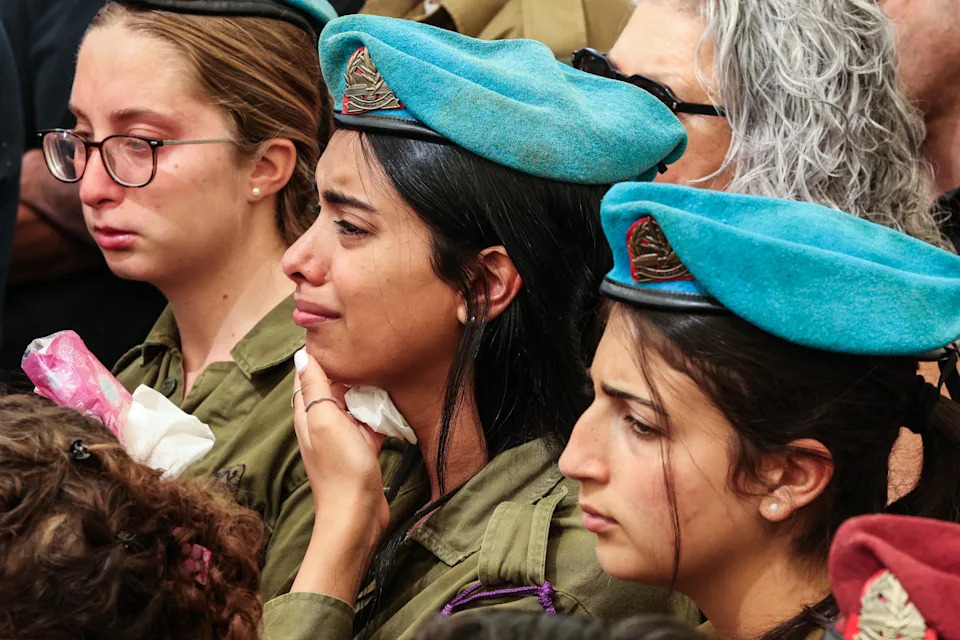
Israeli army comrades attend the funeral of Israeli soldier Sergeant Rotem Yanai, a service conditions NCO soldier in the 435th Battalion, Givati Brigade, who was killed in a drone attack launched from Lebanon onto northern Israel, in Giv'at Ada on May 28, 2026. The Israeli military said on May 28, that a soldier was killed the day before by a Hezbollah drone near the Lebanon border, taking to 24 the number of its troops killed in the war with the Iran-backed group. A military statement named her as 20-year-old Sergeant Rotem Yanai, who "fell during operational activity in northern Israel".(JACK GUEZ, AFP via Getty Images)
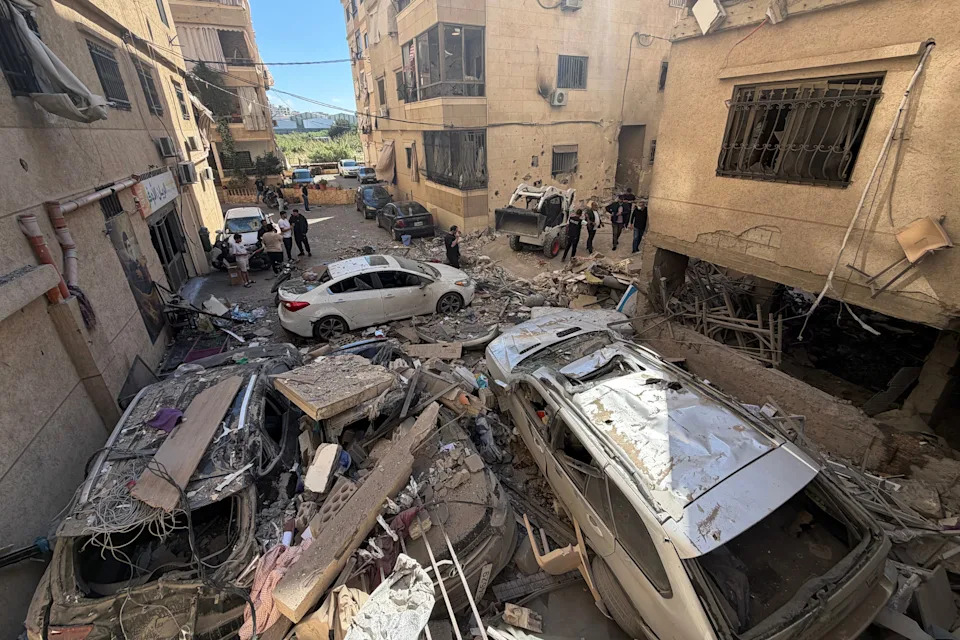
Rescue workers and local residents inspect the damage to a building following an Israeli air strike in the Choueifat area, south of Beirut on the outskirts of the capital's southern suburbs, on May 28, 2026. A Lebanese military source told AFP that an Israeli strike hit an apartment south of Beirut on May 28, shortly after Israel's military said it launched a strike on the capital. The Israeli military said it launched an airstrike on the Lebanese capital Beirut after earlier strikes on the country's south killed at least 12 people, including two children, and wounded 21 others.(IBRAHIM AMRO, AFP via Getty Images)
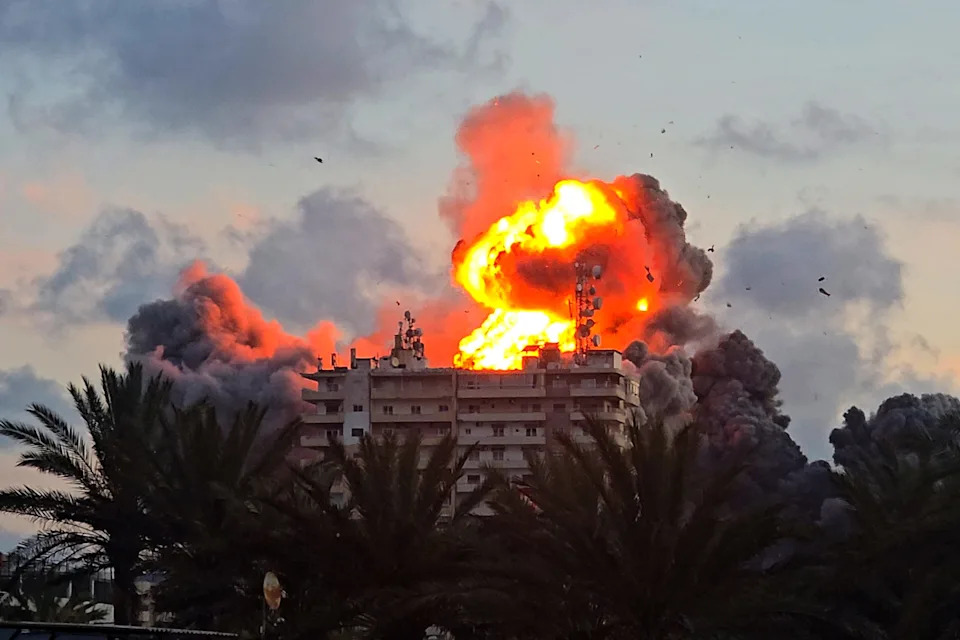
A fireball erupts from a building following an Israeli strike in Tyre, southern Lebanon, on May 28, 2026. The Israeli military said on May 28 it had begun new strikes on Hezbollah infrastructure around the southern Lebanese city of Tyre after issuing an evacuation warning to its residents.(KAWANT HAJU, AFP via Getty Images)
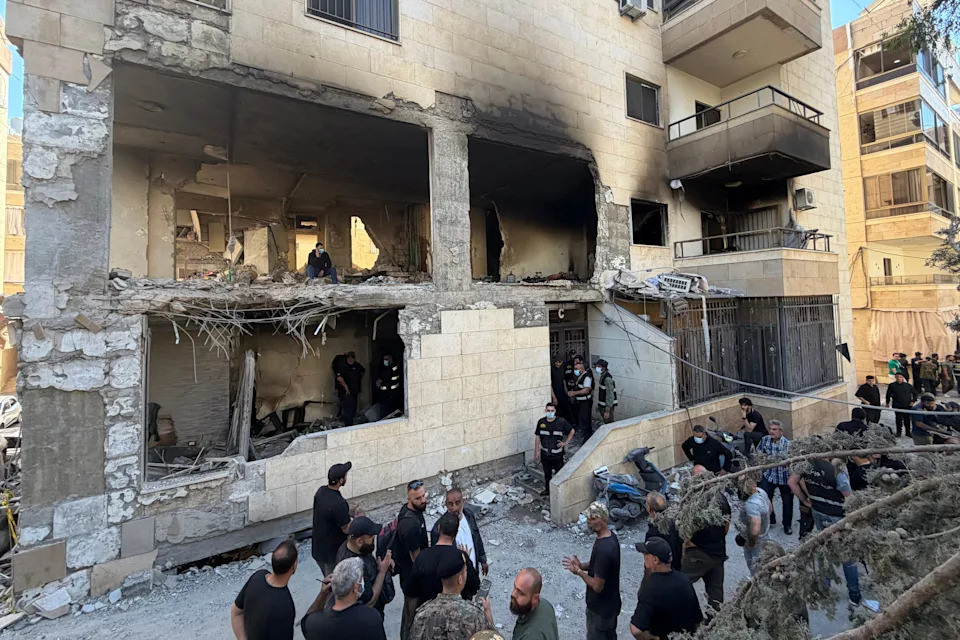
Rescue workers and local residents inspect the damage to a building following an Israeli air strike in the Choueifat area, south of Beirut on the outskirts of the capital's southern suburbs, on May 28, 2026. A Lebanese military source told AFP that an Israeli strike hit an apartment south of Beirut on May 28, shortly after Israel's military said it launched a strike on the capital. The Israeli military said it launched an airstrike on the Lebanese capital Beirut after earlier strikes on the country's south killed at least 12 people, including two children, and wounded 21 others.(IBRAHIM AMRO, AFP via Getty Images)
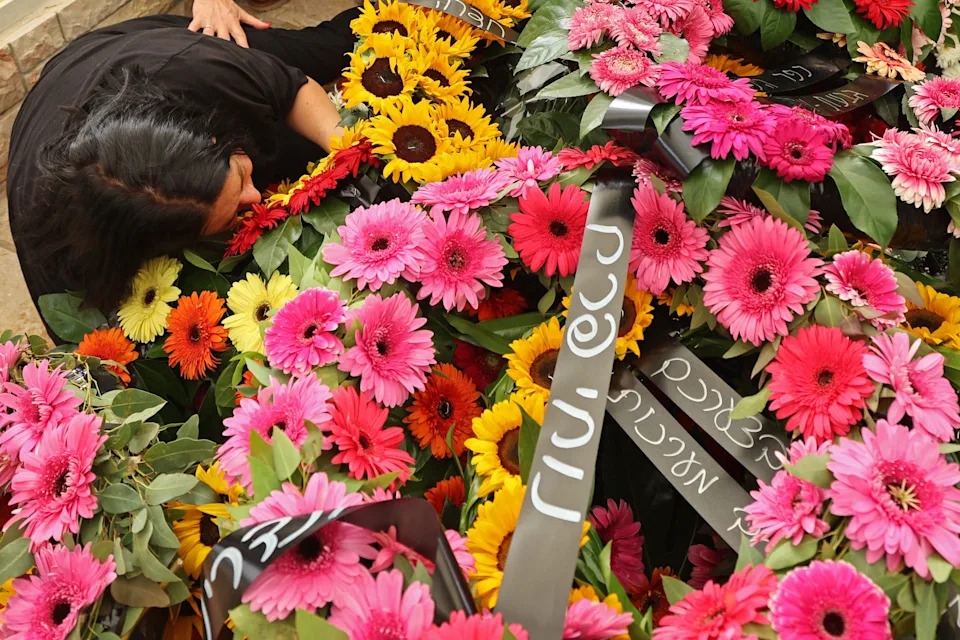
The mother grieves next to the grave of Israeli Sergeant Rotem Yanai, a service conditions NCO in the 435th Battalion of the Givati Brigade, who was killed in a drone attack launched from Lebanon into northern Israel, after her funeral in Givat Ada on May 28, 2026. The Israeli military said on May 28, that a soldier was killed the day before by a Hezbollah drone near the Lebanon border, taking to 24 the number of its troops killed in the war with the Iran-backed group. A military statement named her as 20-year-old Sergeant Rotem Yanai, who "fell during operational activity in northern Israel."(JACK GUEZ, AFP via Getty Images)
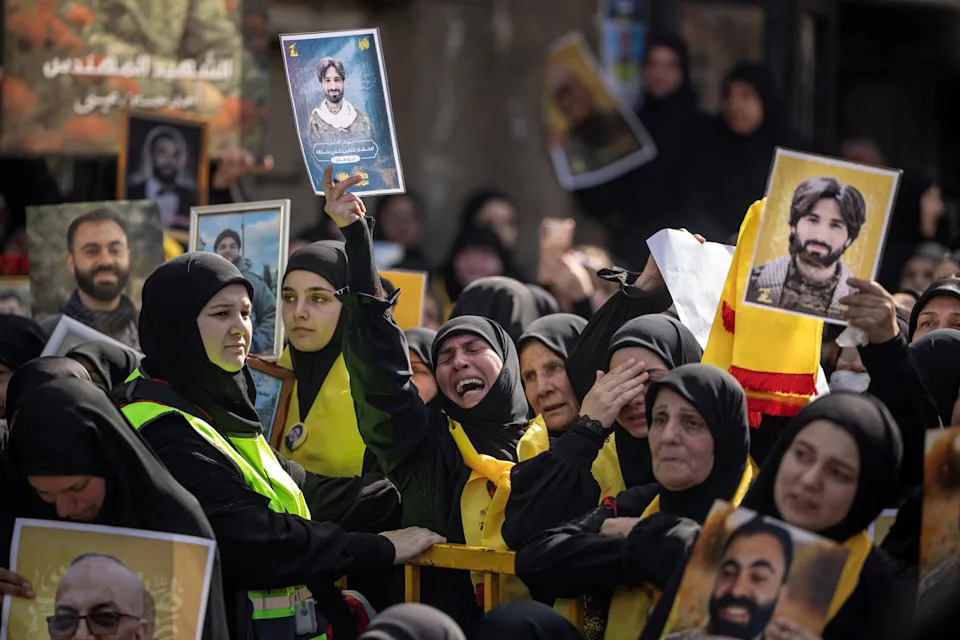
Mourners attend the funeral of people, including Hezbollah members, who were killed during the conflict with Israel before a 10-day ceasefire between Lebanon and Israel went into effect, in Kfar Sir, Lebanon, April 21, 2026.(Marko Djurica, REUTERS)
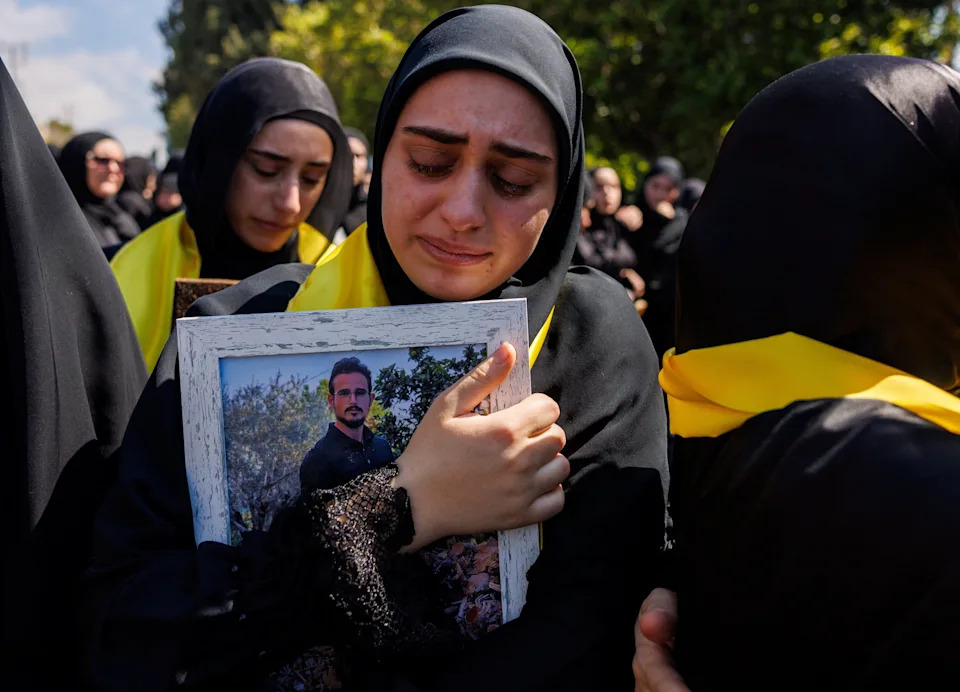
A woman mourns her relative Ali Ballout, a civil defence member killed during the conflict with Israel and exhumed from a temporary grave, during his funeral in his home village, amid a 10-day ceasefire between Lebanon and Israel, in Aitit village, southern Lebanon, April 22, 2026.(Zohra Bensemra, REUTERS)
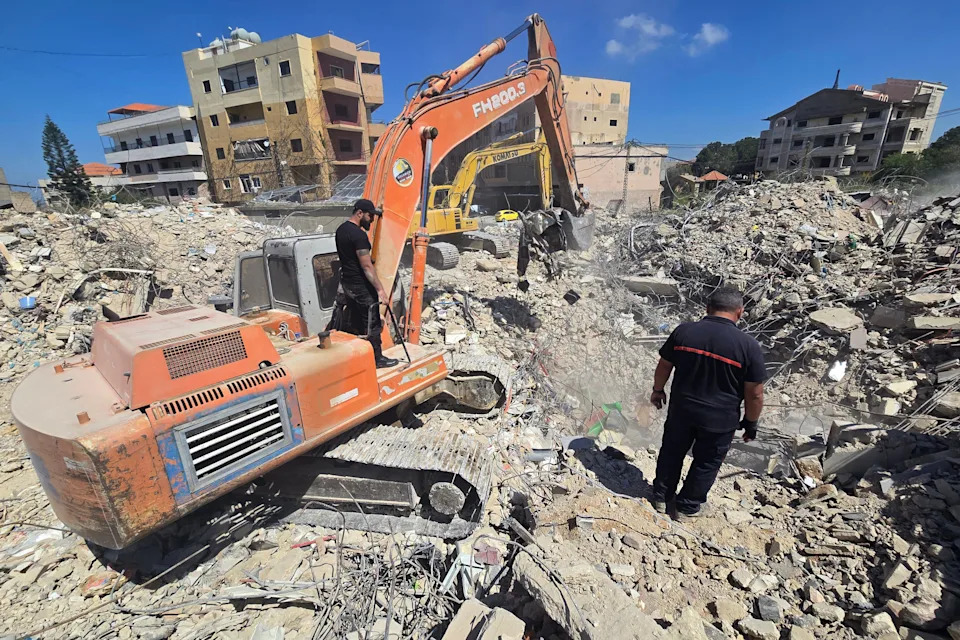
Diggers are used by rescue teams working to remove the rubble from a building previously hit by the Israeli army, in the southern Lebanese village of Hanaouay on April 22, 2026. Israel and Lebanon, which have no diplomatic relations, will hold fresh talks in Washington on April 23, 2026, a State Department official told AFP. Israel conducted huge airstrikes across Lebanon and invaded the south after Hezbollah entered the Middle East war in support of its backer Iran on March 2.(KAWNAT HAJU, AFP via Getty Images)
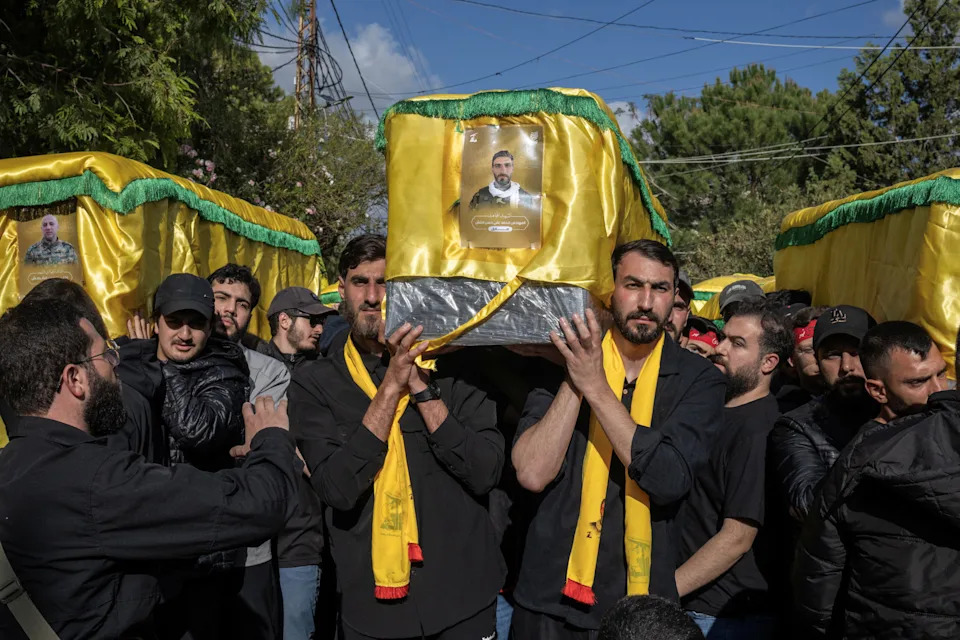
Mourners attend the funeral of people, including Hezbollah members, who were killed during the conflict with Israel before a 10-day ceasefire between Lebanon and Israel went into effect, in Kfar Sir, Lebanon, April 21, 2026.(Marko Djurica, REUTERS)
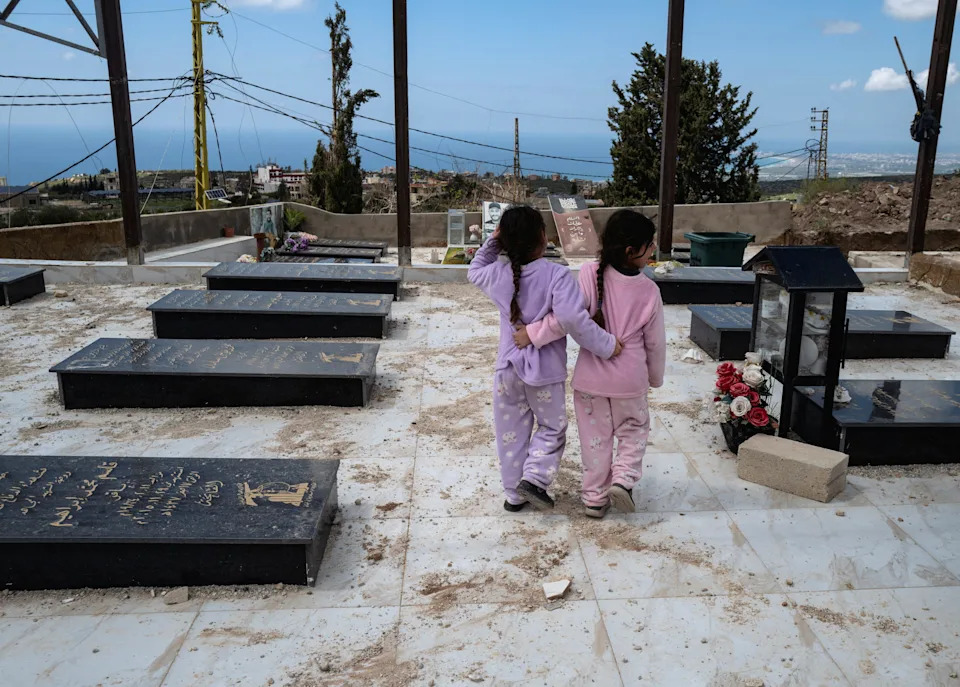
Girls, who were displaced and returned during the 10-day ceasefire, walk near the graves of Hezbollah fighters killed by an Israeli strike as they visit the cemetery where their grandfather is buried, in Majdelzon village, southern Lebanon, April 21, 2026.(Zohra Bensemra, REUTERS)
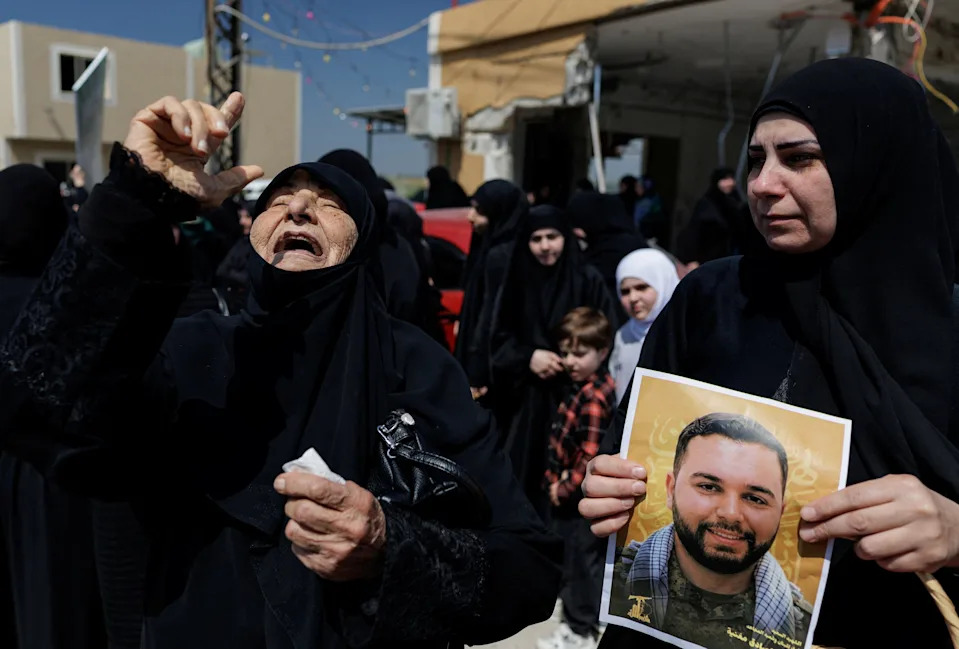
Zahra Abukhalil mourns her husband, Mahmoud Reda Abukhalil, a Hezbollah fighter killed during the conflict with Israel, during his funeral, amid a 10-day ceasefire between Lebanon and Israel, in Aitit, southern Lebanon, April 22, 2026.(Zohra Bensemra, REUTERS)
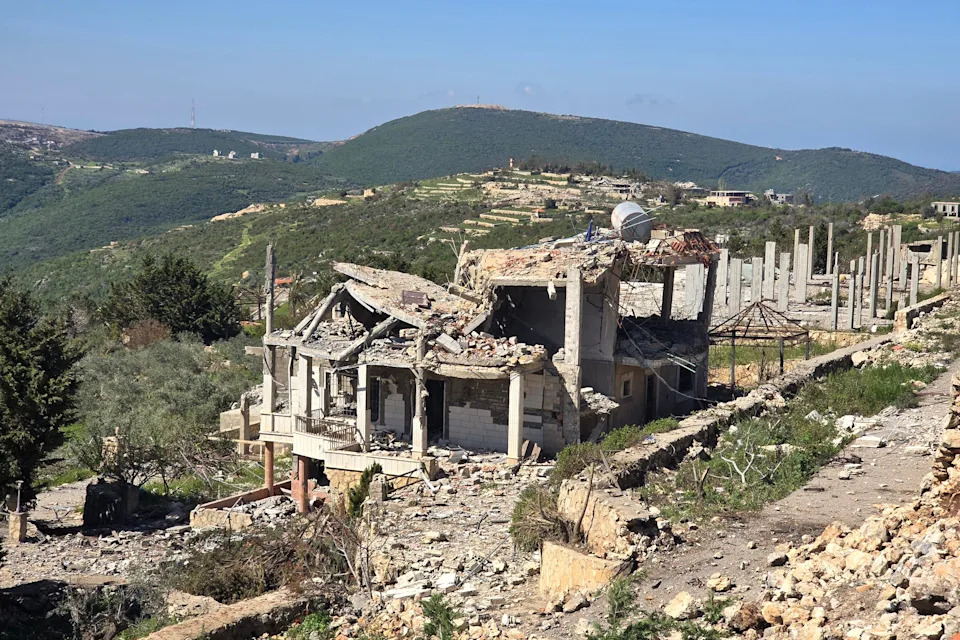
Rubbles and debris are strewn along the road at the site of a home destroyed by the Israeli army in the southern Lebanese village of Beit Lif, in the Bint Jbeil district on April 22, 2026. Israel's foreign minister on April 22, urged Beirut to make joint efforts with Israel to counter the Lebanese armed group Hezbollah, ahead of talks between the countries set to resume in Washington. On February 28, Israel and the United States launched strikes on Iran, killing its supreme leader and triggering a war that spread across the Middle East, with Lebanon's Hezbollah entering the fray on March 2.(KAWNAT HAJU, AFP via Getty Images)
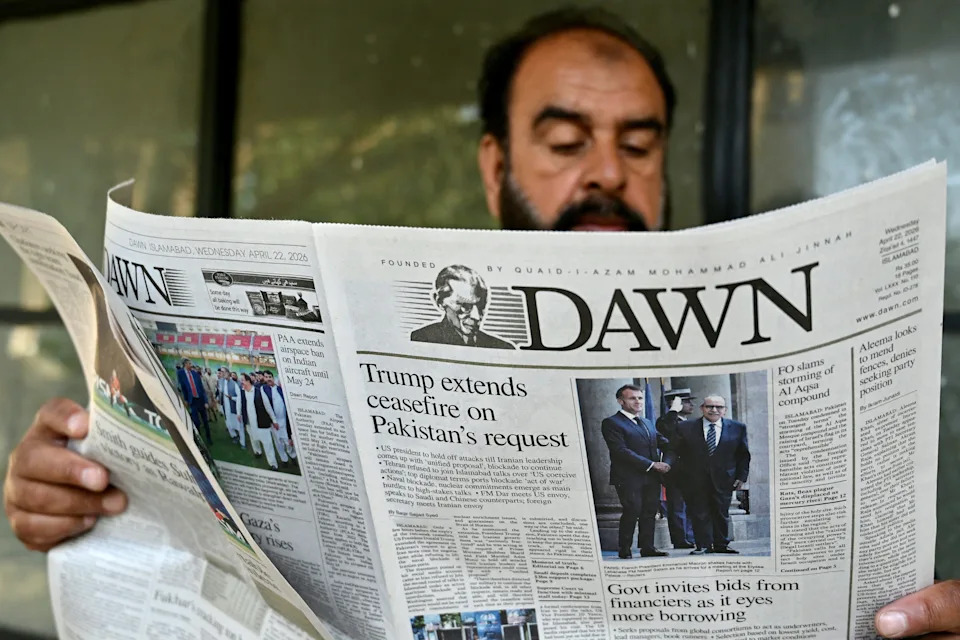
A man reads a newspaper with a front page article referring to anticipated US-Iran peace talks, at a stall in Islamabad on April 22, 2026. Pakistani Prime Minister Shehbaz Sharif thanked US President Donald Trump for extending a ceasefire with Iran and indefinitely pushing back the end of the two week truce, with Tehran silent on the decision early on April 22.(ASIF HASSAN, AFP via Getty Images)
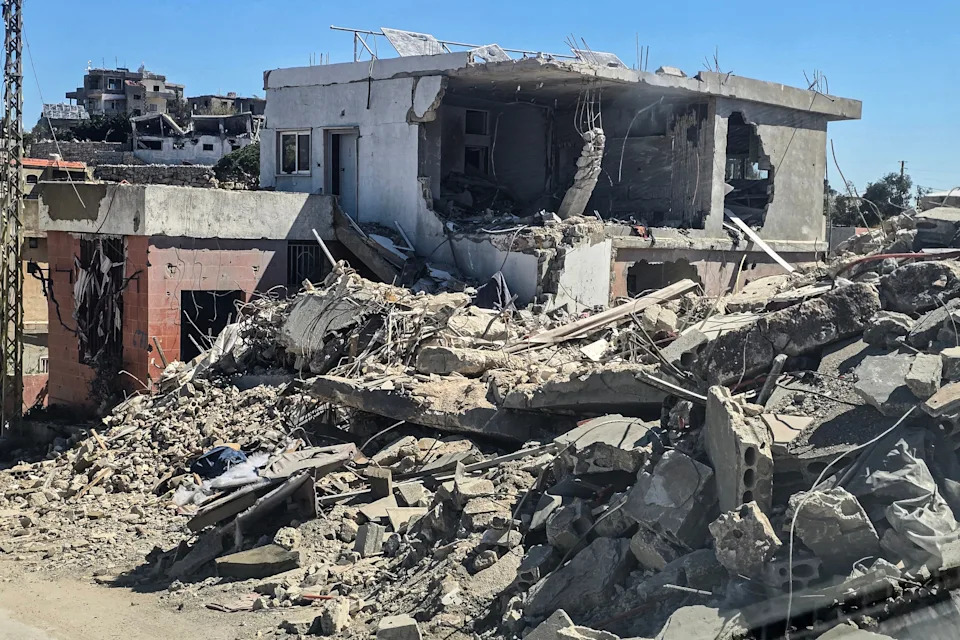
The remains of a home is destroyed by the Israeli army in the southern Lebanese village of Beit Lif, in the Bint Jbeil district on April 22, 2026. Israel's foreign minister on April 22, urged Beirut to make joint efforts with Israel to counter the Lebanese armed group Hezbollah, ahead of talks between the countries set to resume in Washington. On February 28, Israel and the United States launched strikes on Iran, killing its supreme leader and triggering a war that spread across the Middle East, with Lebanon's Hezbollah entering the fray on March 2.(KAWNAT HAJU, AFP via Getty Images)
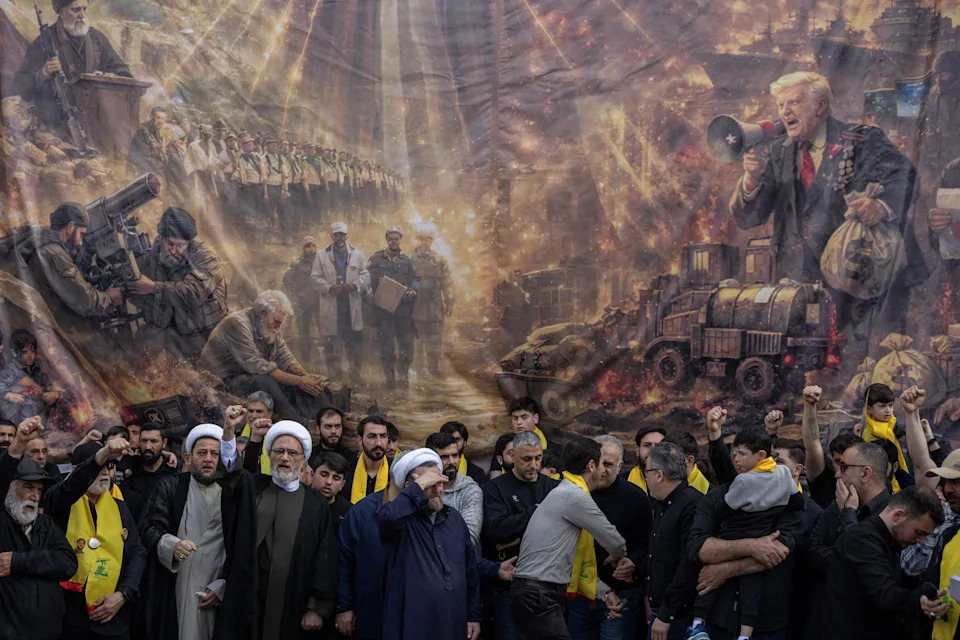
Mourners attend the funeral of people, including Hezbollah members, who were killed during the conflict with Israel before a 10-day ceasefire between Lebanon and Israel went into effect, in Kfar Sir, Lebanon, April 21, 2026.(Marko Djurica, REUTERS)
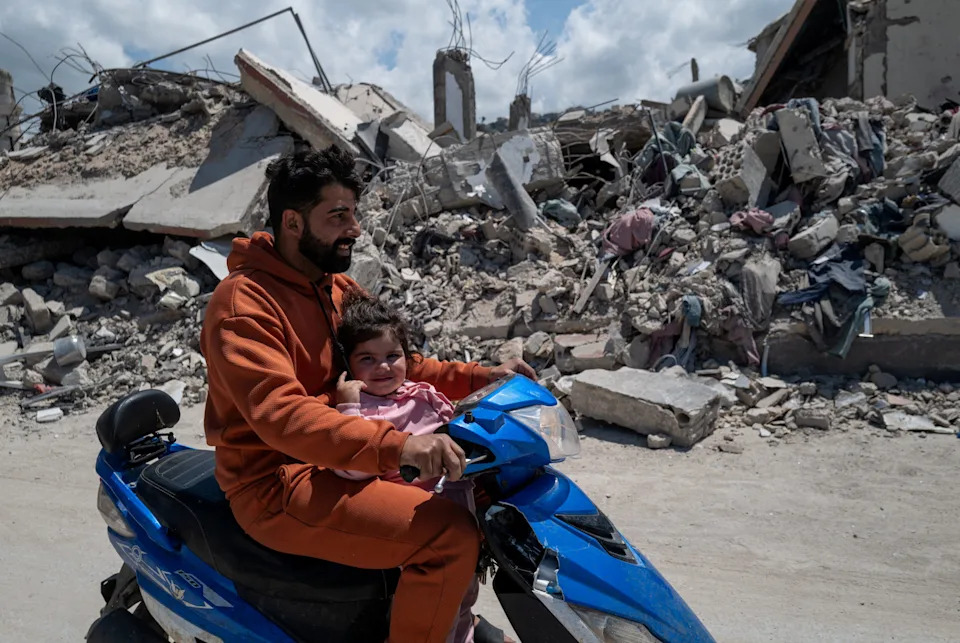
Mhamed, 34, and Taline 2.5 years old, ride a motorcycle past buildings damaged by an Israeli strike in Mansouri village, southern Lebanon, amid a 10-day ceasefire between Lebanon and Israel, April 21, 2026.(Zohra Bensemra, REUTERS)
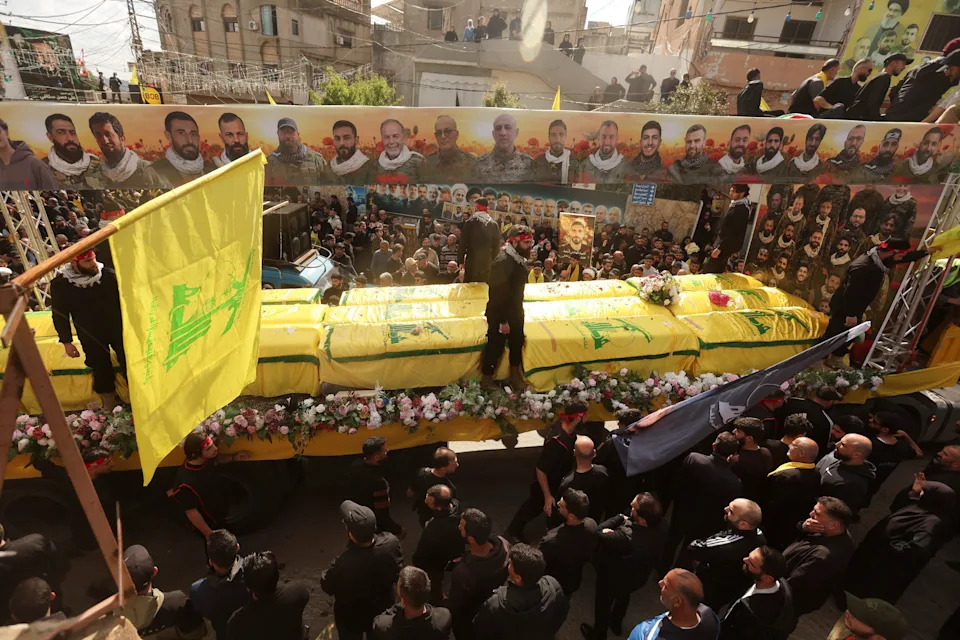
Mourners attend the funeral of people, including Hezbollah members, who were killed during the conflict with Israel before a 10-day ceasefire between Lebanon and Israel went into effect, in Kfar Sir, Lebanon, April 21, 2026.(Aziz Taher, REUTERS)
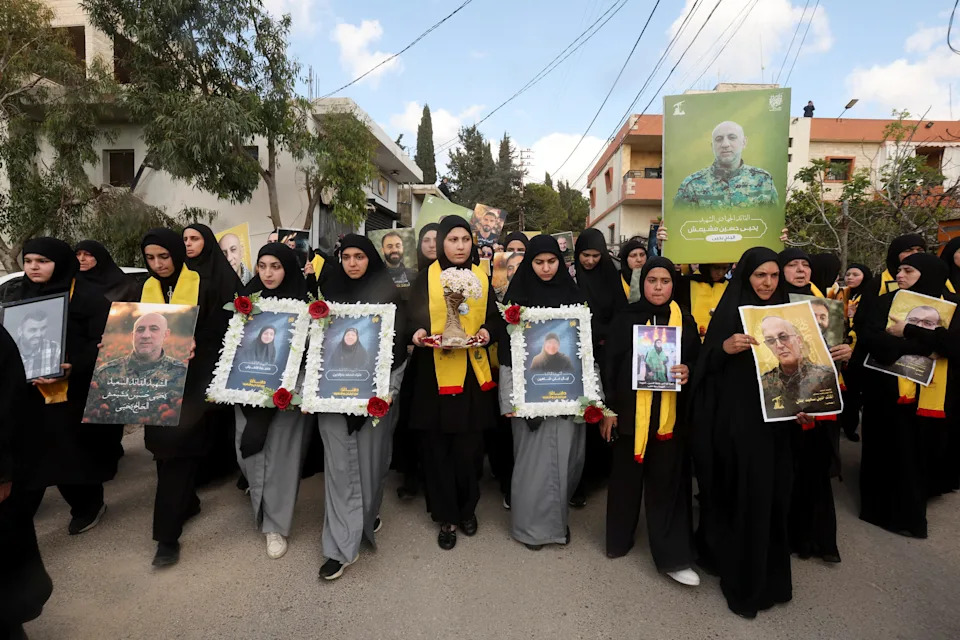
Mourners attend the funeral of people, including Hezbollah members, who were killed during the conflict with Israel before a 10-day ceasefire between Lebanon and Israel went into effect, in Kfar Sir, Lebanon, April 21, 2026.(Aziz Taher, REUTERS)
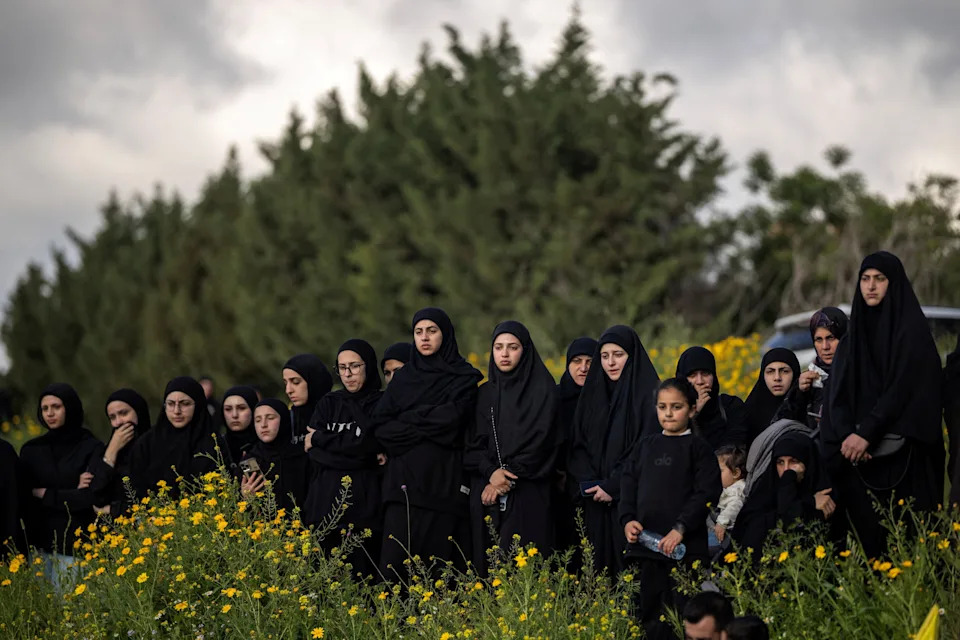
Mourners attend the funeral of people, including Hezbollah members, who were killed during the conflict with Israel before a 10-day ceasefire between Lebanon and Israel went into effect, in Kfar Sir, Lebanon, April 21, 2026.(Marko Djurica, REUTERS)
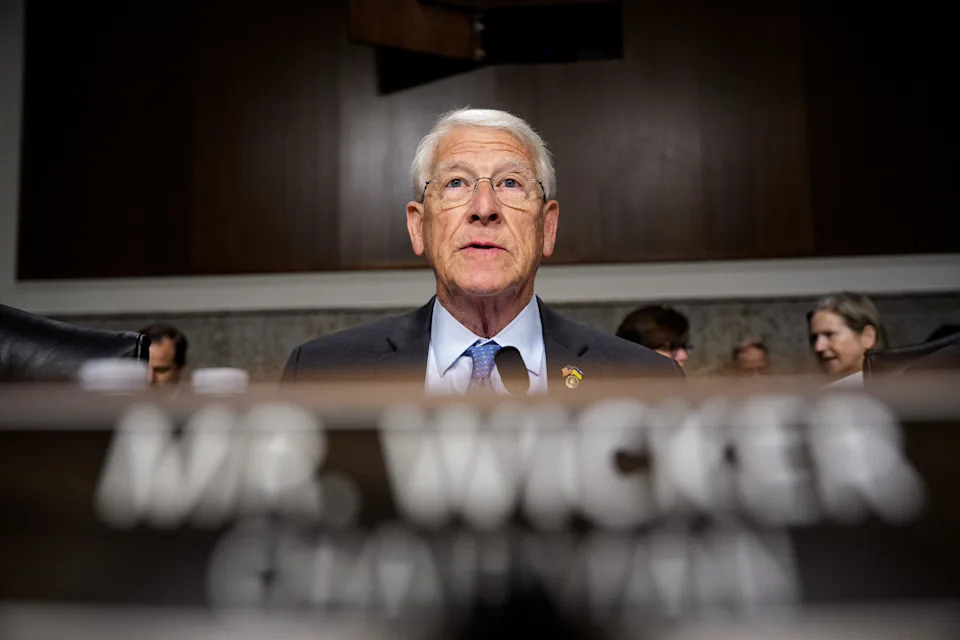
Chairman Sen. Roger Wicker (R-MS) speaks as U.S. Army Secretary Dan Driscoll and Army Vice Chief of Staff Gen. Christopher LaNeve appear before a Senate Armed Services Committee hearing on Capitol Hill on May 12, 2026 in Washington, DC.

Sen. Ted Cruz (R-TX) talks to reporters following a vote at the U.S. Capitol on June 1, 2026.
Help us improve.