HHS Secretary Robert F. Kennedy Jr. overturned CDC medical advice on 15 June and reinstated an institutional quarantine for a passenger exposed to Andes virus, despite CDC analysis finding home quarantine with remote monitoring would be sufficient. Legal experts called the move "authoritarian" and potentially unconstitutional, warning it could set a dangerous precedent for managing future outbreaks and discourage self-reporting. HHS defended the order, citing concerns about state monitoring capacity.
RFK Jr. Overrules CDC On Hantavirus Quarantine — Experts Call Move 'Authoritarian' And Potentially Unconstitutional
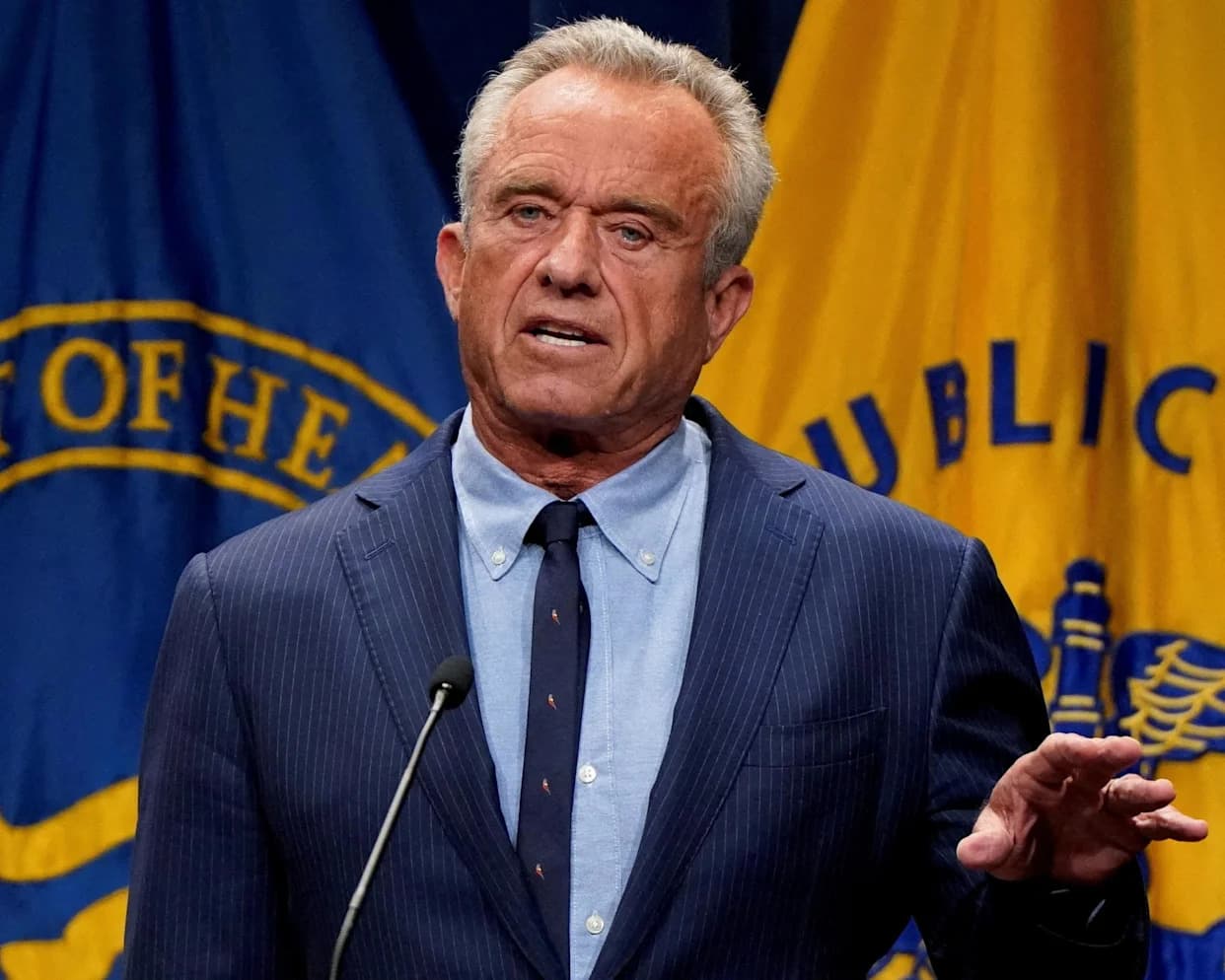
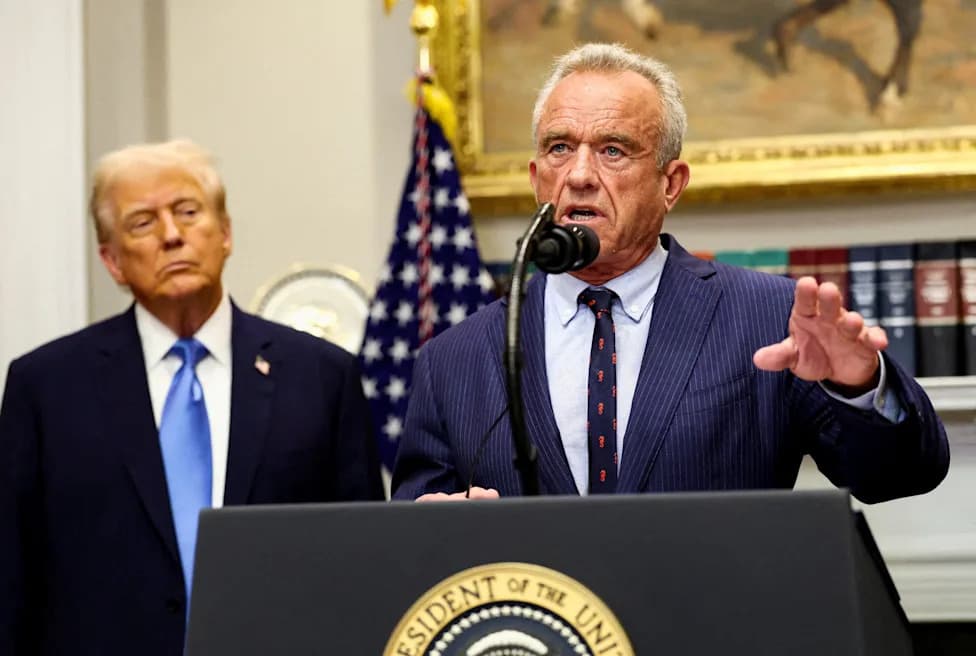
Robert F Kennedy Jr in Washington DC on 16 April 2025.Photograph: Elizabeth Frantz/Reuters(Photograph: Elizabeth Frantz/Reuters)
The Trump administration reinstated a mandatory institutional quarantine for an American passenger exposed to Andes virus, a rare human-to-human strain of hantavirus, prompting sharp criticism from public-health and legal experts who say the decision lacks a scientific justification and risks setting a dangerous precedent.
Angela Perryman, a passenger on the MV Hondius cruise ship who had contact with another passenger later diagnosed with Andes virus, has sought to appeal a federal order that would require detention at a North Dakota facility. Perryman asked instead to self-quarantine in Florida under remote monitoring.
Internal CDC analysis by Michael Bell, deputy director of the Division of Healthcare Quality Promotion, concluded that Perryman could be safely quarantined at home with daily remote symptom checks and public-health support, according to an assessment obtained by Inside Medicine. Despite that recommendation, HHS Secretary Robert F. Kennedy Jr. overruled the CDC on 15 June and extended the mandatory institutional quarantine. The order published by Inside Medicine did not include a detailed scientific rationale for reversing the CDC's medical recommendation.
Legal and Public-Health Concerns
Legal scholars say the decision raises constitutional and civil-liberty concerns. "Cavalierly detaining somebody for no good reason, no crime and no significant public risk" is "arbitrary, it’s capricious and it’s unjust," said Lawrence Gostin, a health-law professor at Georgetown University Law Center.
James Hodge, director of the Center for Public Health Law and Policy at Arizona State University’s Sandra Day O’Connor College of Law, warned that officials should not "use unconstitutional, ill-advised, unproven techniques to control infectious diseases." Hodge and Gostin both helped draft the CDC's 2017 quarantine rules and have objected to provisions that allow an HHS secretary to overturn the agency's medical review, arguing the mechanism should be exceptional and accompanied by clear justification.
"When there are multiple options that are effective in limiting spread, you take the one that’s less restrictive on civil liberties," Hodge said.
HHS spokesperson Courtney Spencer said Secretary Kennedy "specifically considered the medical recommendation before deciding to continue the current order" and defended the federal action on the grounds that some states lacked sufficient capability for in-person monitoring and continuous security. The agency did not answer questions from the Guardian about why Kennedy overruled the CDC or whether the order creates a precedent for other pathogens.
Public-Health Implications
Experts warn heavy-handed quarantine orders could backfire by discouraging people from reporting symptoms or contacts, undermining contact tracing and outbreak containment. "The danger is not knowing cases that are actually out there, because we created a climate in which people would not self-report," Hodge said.
Some states complied with CDC conditions and allowed 10 exposed passengers to self-quarantine at home with monitoring; Florida refused to accept the CDC's proposed monitoring and security requirements. The episode has raised broader worries about how the United States might handle future threats—including imported Ebola cases—and whether political considerations will override scientific guidance.
This dispute draws attention to two competing principles in public-health law: the government’s duty to protect community health and the constitutional requirement to use the least restrictive means necessary when limiting individual liberty. Critics say the Kennedy decision prioritized coercion over that balance.
Help us improve.