Veronica Arreola discovered her children’s book J Is for Justice! was listed among top challenged titles after a People story and a PEN America report. Since 2021, challenges have broadened from classic fiction to picture books, nonfiction and textbooks, with many efforts coordinated by pressure groups rather than individual parents. PEN America reported that 92% of 2025 censorship attempts were initiated by organized campaigns, while state actions are increasingly aimed at weakening tenure, shared governance and academic freedom. Advocates warn these trends threaten not only individual titles but the institutional foundations of teaching and learning.
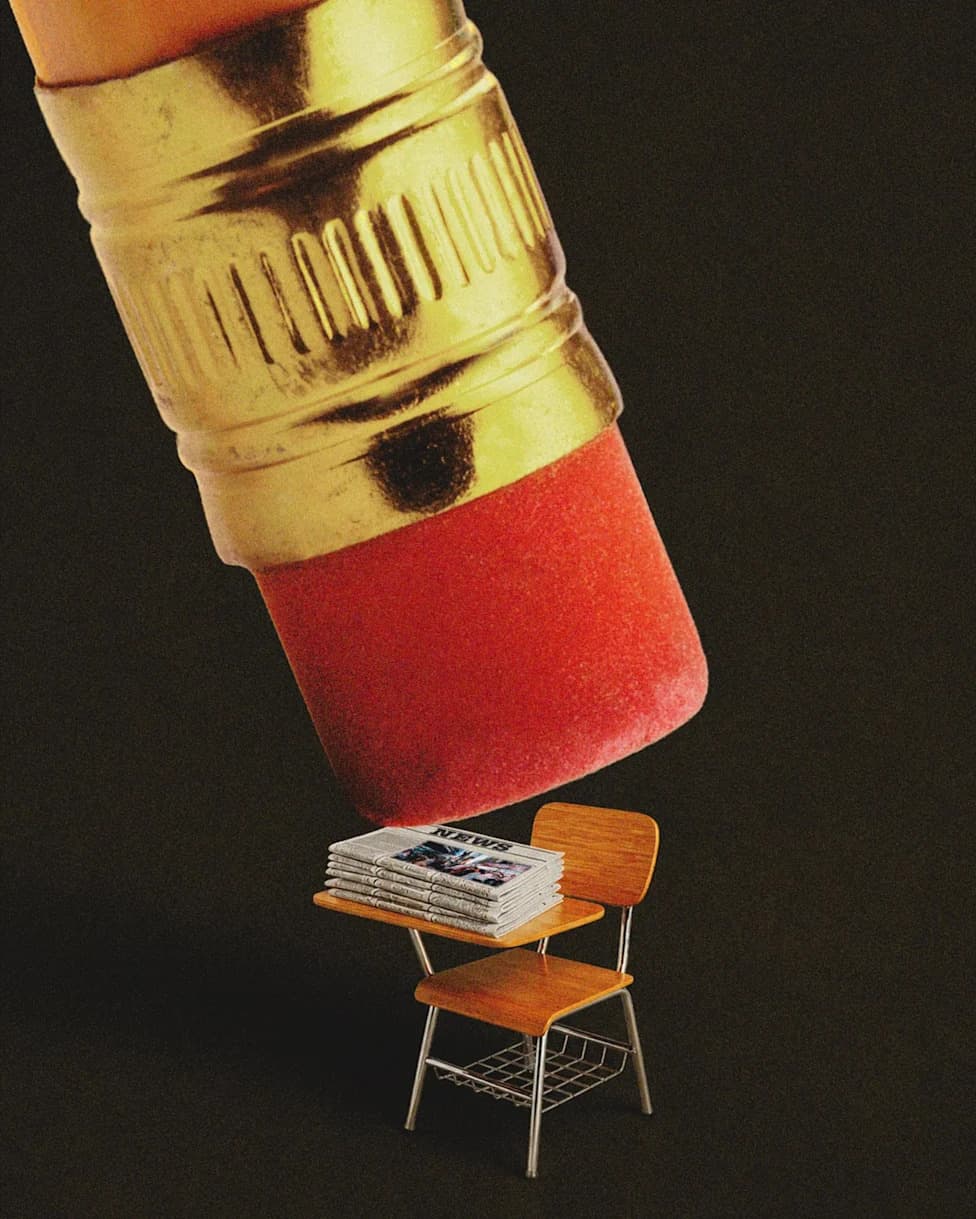
Why Not Ban Every Book? Inside the Rise of Systematic Censorship in Schools and Universities

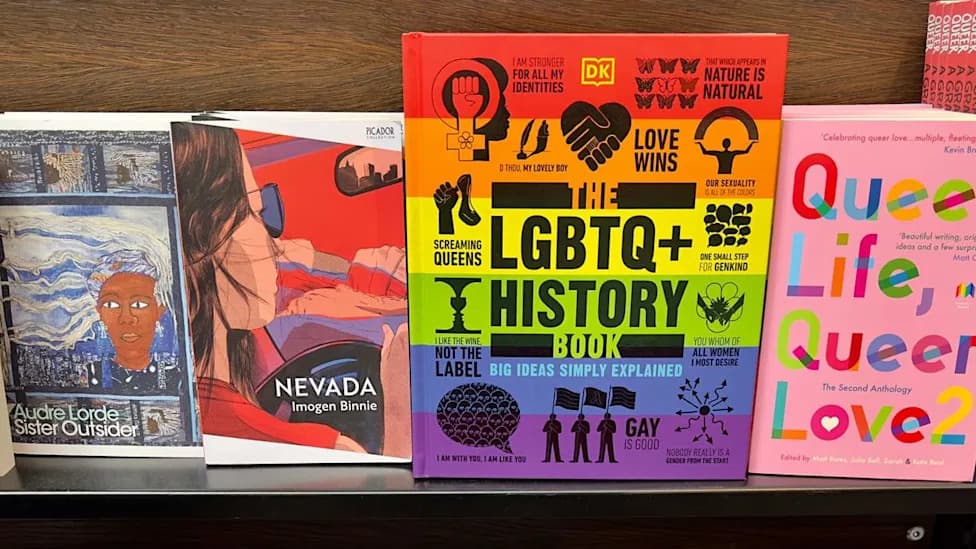
Why are books so scary? JGI/Jamie Grill/Getty Images
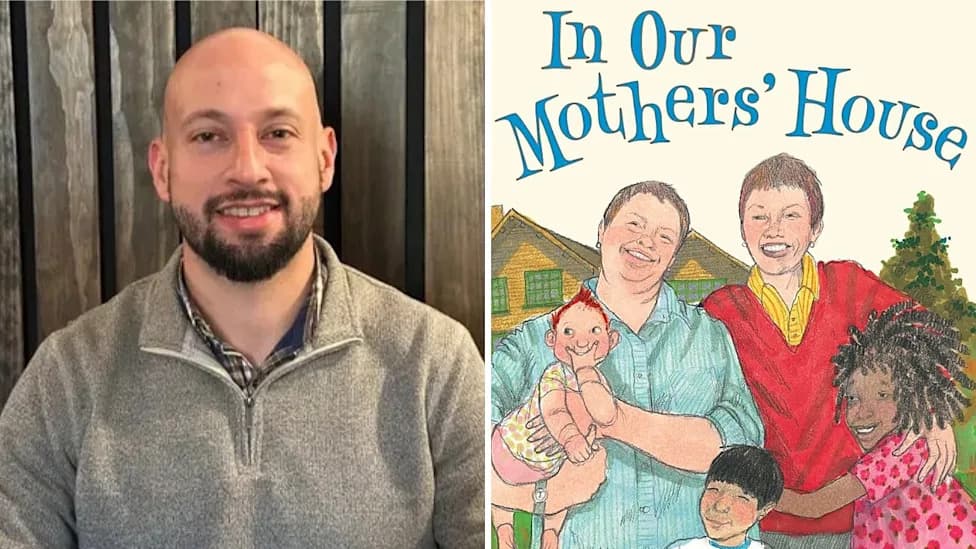
Veronica Arreola was surprised to learn her 2023 children’s board book, J Is for Justice! An Activism Alphabet, had been named among the most challenged titles for the 2024–2025 school year — and she found out through a People magazine story and a PEN America report, not from a school or library official. The small, brightly illustrated book was designed to help adults talk with young children about justice and fairness; instead, it landed on a list produced by large-scale screening efforts.
How Simple Words Became Grounds For Removal
Arreola and others describe a shift from targeting individual passages or explicit content to blacklisting books based on keywords or topics. In some instances reviewers used a literal "Control-F" approach, searching for terms like diversity, gender or DEI and flagging any title that contained them. The result is that nonfiction, picture books, textbooks and even basic reference texts are increasingly represented among challenged works.
Organized Campaigns, Not One-Off Complaints
Data from PEN America and other groups show this is often coordinated: only about 3% of challenges began as isolated parent complaints. Instead, most are initiated by pressure groups, advocacy organizations and politically motivated campaigns. PEN reported that 92% of censorship attempts in 2025 were started by pressure groups or decision makers influenced by them, signaling a planned and scalable strategy rather than sporadic local objections.
When Institutions Join the Screening
Government bodies and institutional actors have also become actors in these efforts. Arreola noted that the Department of Defense, which oversees schools on military bases, produced lists that flagged books for mention of activism or social topics. At the same time, governors, state lawmakers and other officials have intervened in academic affairs — from contesting a college lecture to challenging a textbook — sometimes prompting personnel actions and policy changes.
“History is told through stories, and we do not agree on stories,” said scholar Emily Knox. That disagreement, advocates warn, has turned into an organized effort to control which stories are available to students.
Censorship Extends Into Higher Education
Efforts to restrict curricula and campus life go beyond removing books. PEN America describes a rise in "indirect censorship": legal and political moves to weaken the institutional protections that underpin academic freedom. Recent state laws in places like Alabama and Tennessee expand governing boards' power, limit tenure protections, curtail shared governance and even restrict campus protest — measures critics say are designed to intimidate faculty and chill open inquiry.
Examples And Pushback
Cases cited in recent reporting include a challenged Human Sexuality textbook at the University of Nebraska, controversies involving contract renewals after political complaints, and the School of the Art Institute of Chicago placing a professor on leave after assigning a case study exploring cultural and political trauma. At the same time, states such as Illinois have moved in the opposite direction by passing "Freedom to Read" laws that protect libraries from ideological removals; several other states have followed with similar protections.
What’s At Stake
Advocates for open access warn that the combined effect of coordinated challenges, institutional screening, and laws weakening tenure and governance threatens not only particular books but the infrastructure of education itself. When political pressure can remove texts, change course offerings, or discipline faculty without transparent due process, the range of available knowledge narrows and students lose opportunities to engage critically with complex subjects.
Arreola’s experience — a children’s book flagged for discussing justice — illustrates how far-reaching and sometimes indiscriminate these campaigns can be. The lesson she and others draw is clear: if organized actors can produce lists at scale, the response must be equally organized and resolute in defending the right to read and to teach.
Originally published on Salon.com. Reportage and data referenced include PEN America and reporting from WBEZ, Inside Higher Ed, Hyperallergic and other outlets.
Help us improve.