The Rosebud Sioux Tribe will take custody of a bull bison that fatally injured a 70-year-old Canadian tourist at Custer State Park in mid-May. Following public outcry and pressure from wildlife advocates, state officials opted to relocate the animal to secure tribal care rather than euthanize it. Officials and tribal representatives emphasized both sympathy for the victim’s family and recognition that the bison was acting on natural instincts. The move aims to balance public safety with animal welfare.
Public Outcry Saves Bison After Fatal Attack — Animal To Be Relocated To Rosebud Sioux Tribe Care
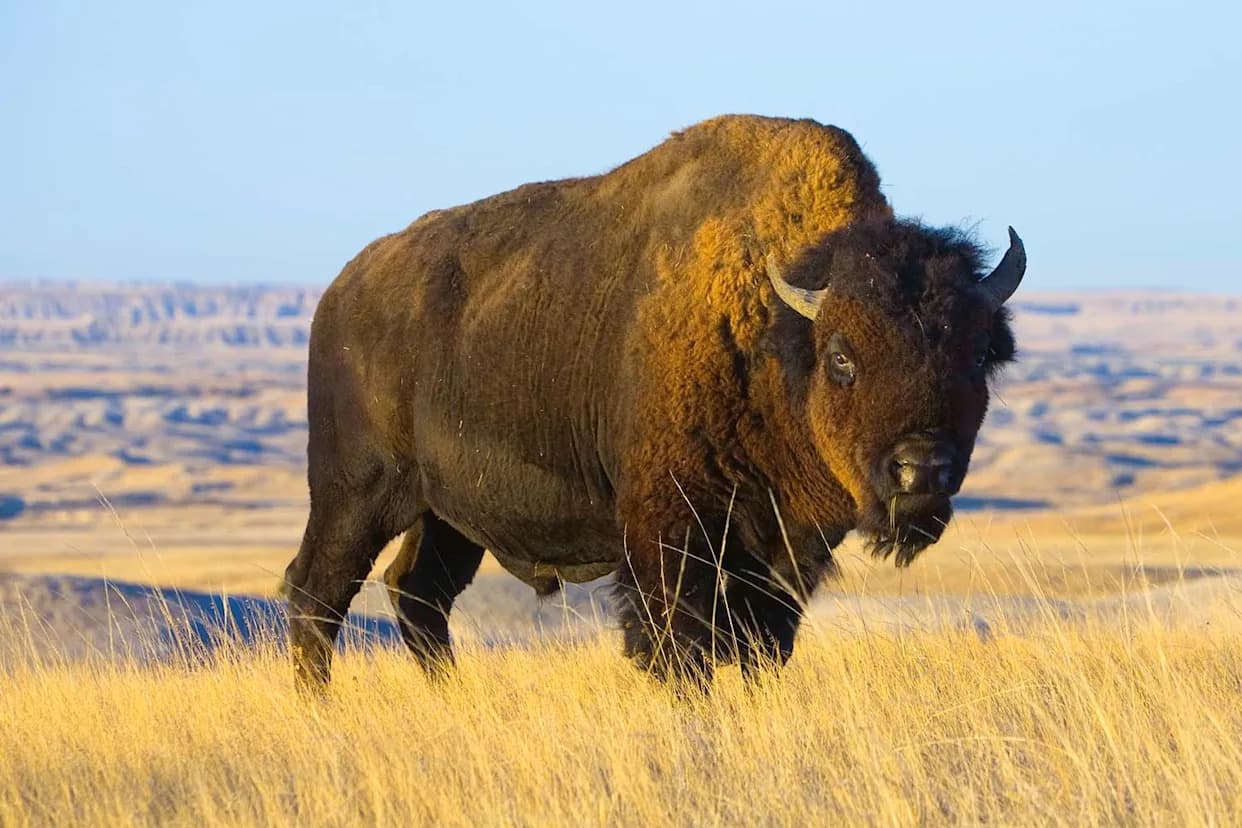
Stock photo of a bison standing in a grassy terrain with hills in the background.Credit: Getty
A bull bison involved in the fatal mauling of a 70-year-old Canadian tourist at Custer State Park will not be euthanized, officials announced. Instead, the animal will be relocated into the care of the Rosebud Sioux Tribe and housed in a secure facility away from public access.
What Happened
The attack occurred in mid-May on the Grace Coolidge Trail in western South Dakota. According to the Custer County Sheriff’s Office, the unnamed Canadian woman — whose family asked that her identity be withheld — was hiking with her husband when a group of bull bison charged and threw her into the air. She later died from her injuries. Authorities said it was the first fatal bison incident in the park in at least 21 years.
Decision To Relocate
On Wednesday, June 10, the Rosebud Sioux Tribe Game, Fish and Parks confirmed they will accept custody of the bison and provide long-term care in an enclosure that prevents public interaction. The move follows a wave of public opposition to reports that the animal might be put down.
"When this all started, the word from the top was that putting this animal down was the plan," said wildlife photographer Dave Scragg, who mobilized social media followers to contact state officials. "We didn't accept that, and we made sure our voices were loud enough to reach the people who could actually make a change."
Officials' Statements
Park and tribal officials expressed sympathy for the victim and her family while framing the animal’s behavior as instinctive. The Rosebud Sioux Tribe said the bison was "acting in accordance with its wild nature." Chad Kremer, manager of the Custer State Park bison herd, wrote on social media that the animal had "reacted" under pressure and "didn't deserve to be destroyed."
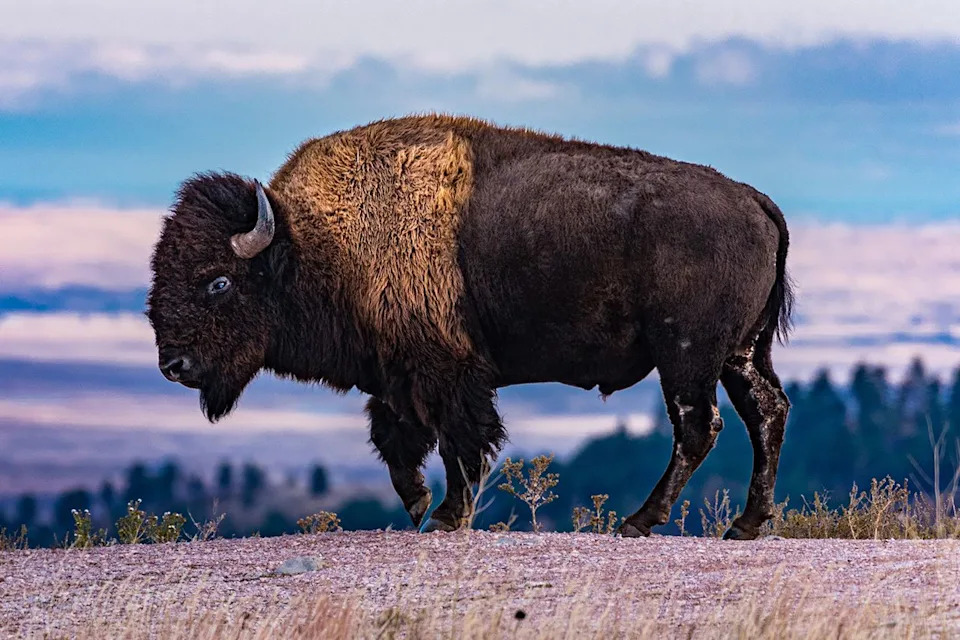
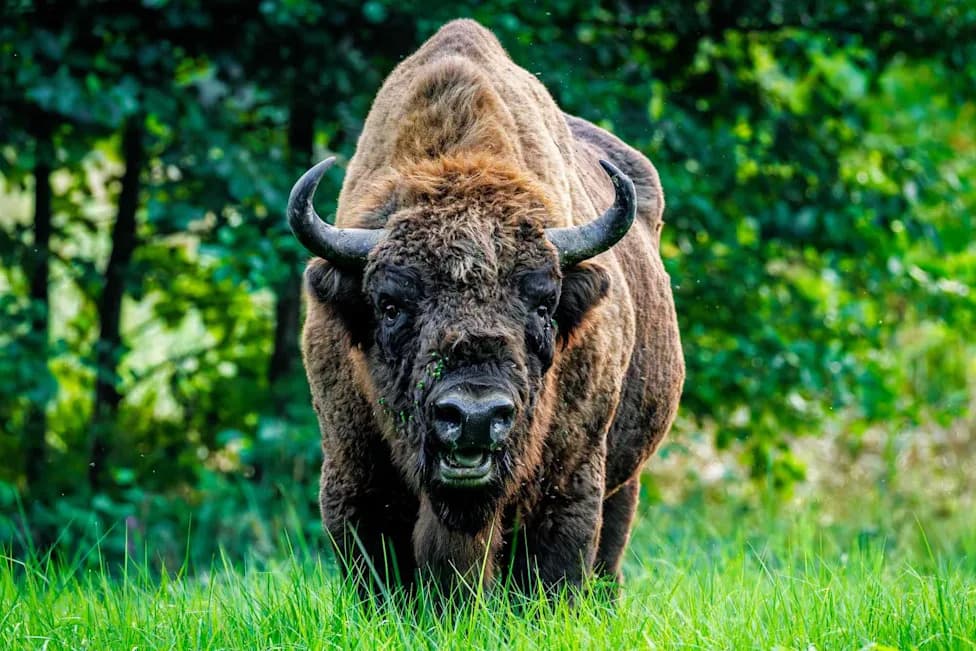
A bison standing on open grassland with a distant backdrop of trees and plainsCredit: Getty
Nick Harrington of South Dakota Game, Fish and Parks described the relocation as an appropriate compromise that preserves public safety and the animal’s life: "We are grateful for Rosebud Sioux Tribe's willingness to work with us to relocate the buffalo to a location that is suitable for the animal and away from interaction with the general public."
The South Dakota Governor’s Office did not confirm whether a formal kill order had ever been issued. When asked, officials said only that "all options were being considered and evaluated."
Context and Safety Notes
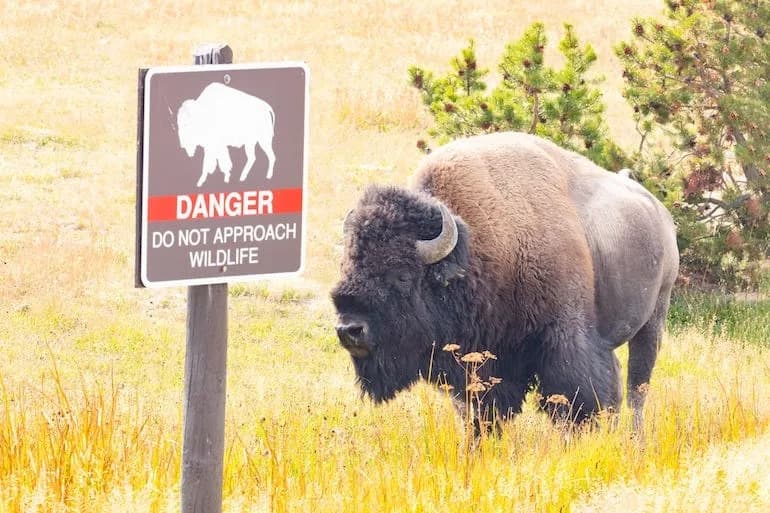
Bison are wild animals and can be unpredictable; parks routinely warn visitors to keep a safe distance. This case has renewed discussion about visitor education, signage, and park policies aimed at reducing human-wildlife conflicts while protecting native animals.
Where the bison will live: Tribal officials say the animal will be cared for in a secure environment on tribal land, away from areas accessible to the general public, for the remainder of its life.
Help us improve.