Pakistan unexpectedly brokered a mediating role in US–Iran talks, moving from a country often criticized in Western capitals to a diplomatic facilitator. Commentators called the development a surprising upset and argued it has temporarily upstaged rival India. The episode highlights a subtle regional realignment: Washington appears warmer to Islamabad while India deepens ties with Israel.
Pakistan's Diplomatic Rise: From Pariah To Mediator In US–Iran Talks
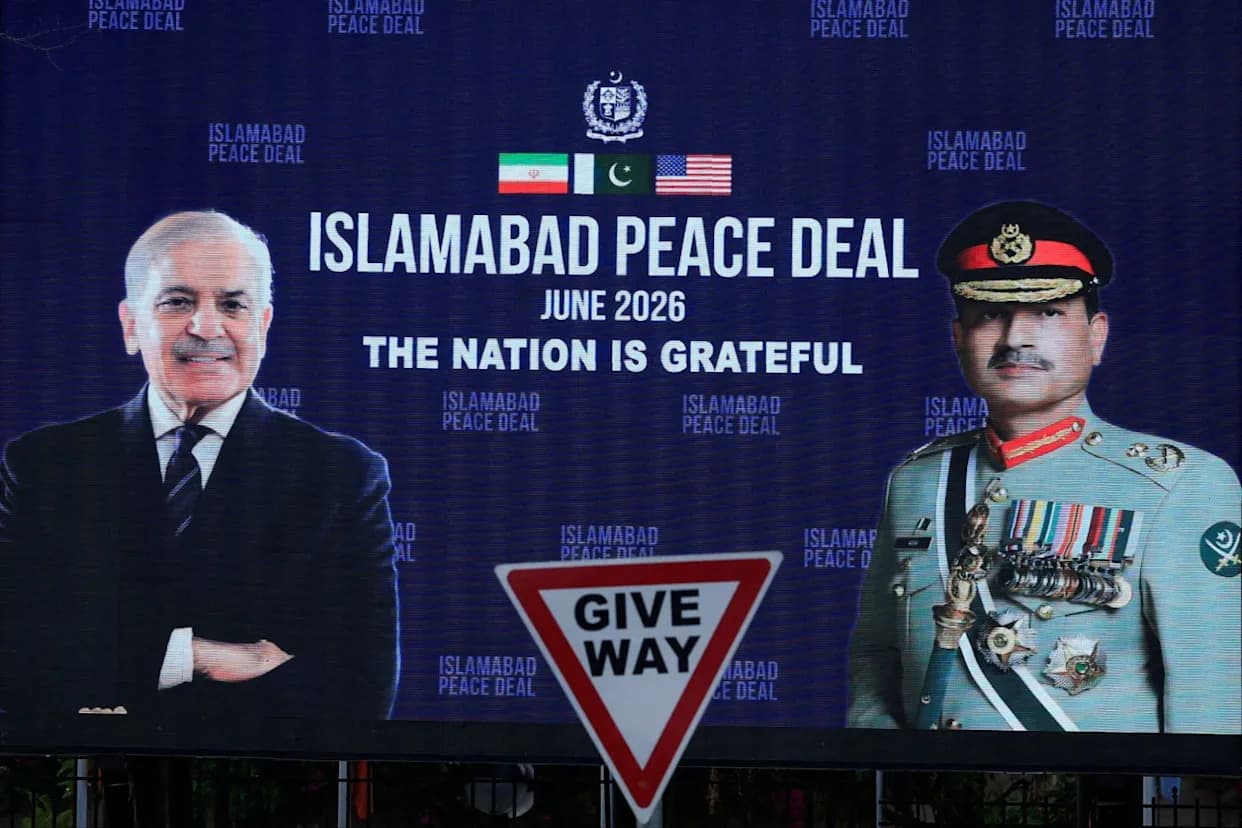
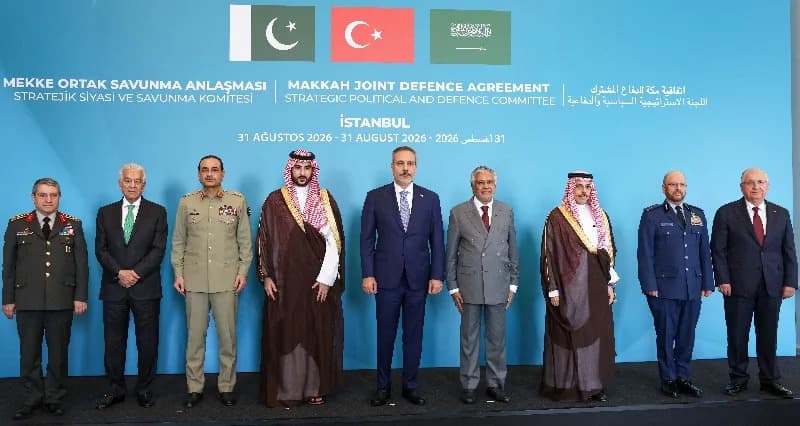
Pakistan unexpectedly emerged as a key mediator in talks between the United States and Iran, shifting perceptions in Western capitals and reconfiguring regional dynamics.
Once widely portrayed in some Western circles as a diplomatic pariah, Islamabad played a facilitative role in narrowing differences between Washington and Tehran and helping to broker a deal. The development has attracted attention from leading commentators and analysts, who describe Pakistan's newfound prominence as both surprising and strategically significant.
“Pakistan’s star turn is the diplomatic equivalent of Cabo Verde winning the World Cup,” a Wall Street Journal columnist wrote, capturing the surprise many felt at Islamabad’s emergence.
Another commentator observed that Pakistan’s ascent has had the incidental effect of upstaging its regional rival. “India now has a North Stand seat in the global stadium of the Big Boys,” a Wire columnist argued, suggesting New Delhi’s diplomatic influence has been dented by the episode.
At the same time, India is deepening ties with Israel—another U.S. partner that has had a fraught relationship with President Donald Trump—underscoring a broader regional recalibration. Washington’s growing engagement with Islamabad, paired with a cooler posture toward New Delhi in this context, highlights shifting priorities and the fluid nature of alliances.
What This Means
Pakistan’s mediator role gives Islamabad diplomatic capital that could translate into greater leverage on regional security and economic issues. For India, the episode is a reminder of the competitive nature of South Asian diplomacy and the need to manage multiple external relationships. For international observers, the episode signals that traditional rankings of regional influence can change quickly when unexpected diplomatic channels open.
What to watch next: whether Pakistan can sustain this diplomatic momentum, how India responds to preserve its regional position, and whether U.S.–Pakistan ties will deepen into more sustained cooperation beyond this episode.
Help us improve.