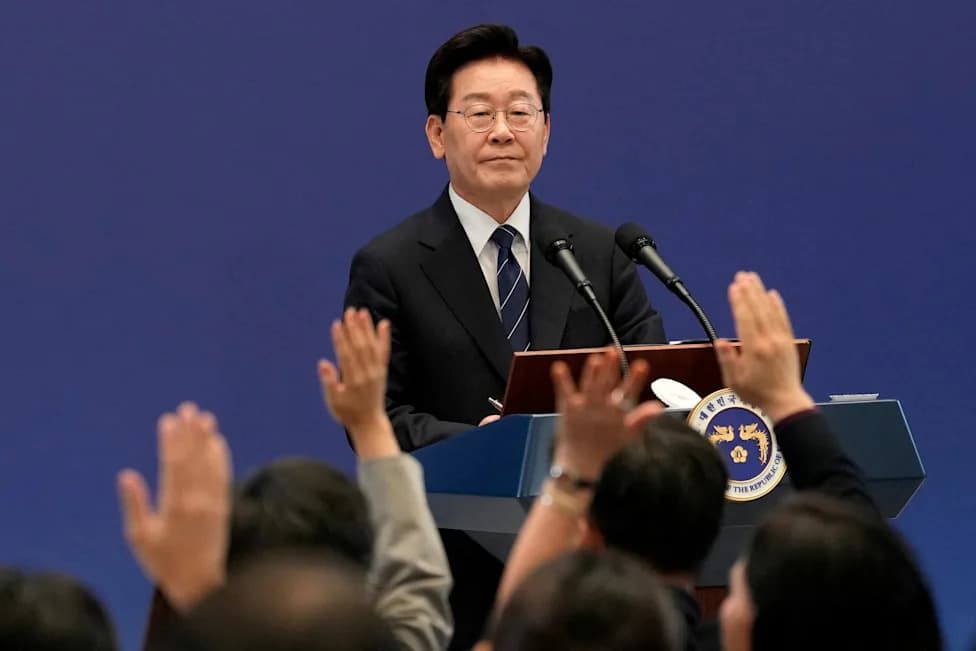
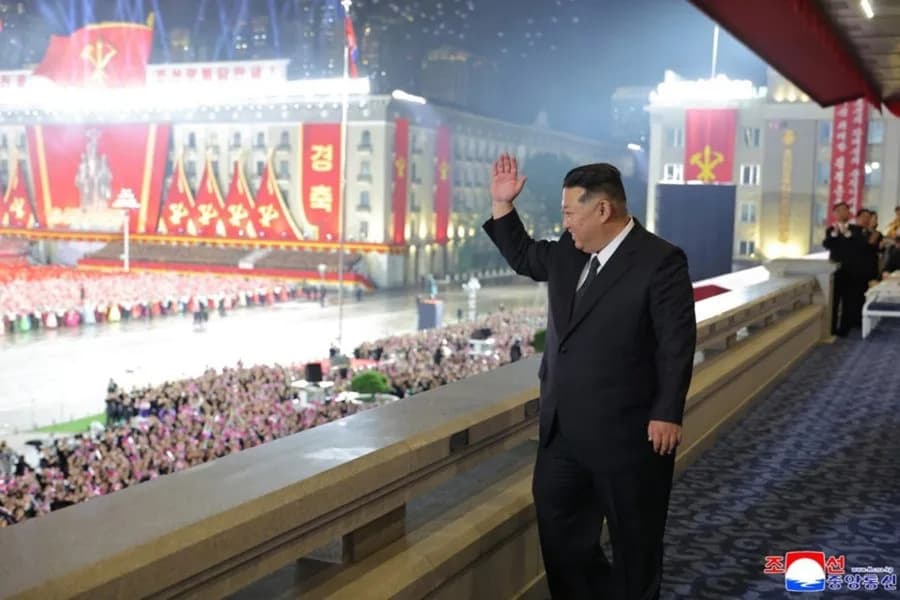
South Korean security experts at a Seoul forum were sharply split over President Lee Jae‑Myung's renewed call for talks with North Korea as Pyongyang expands its nuclear arsenal. Some warned that engagement without stronger deterrence could enable nuclear coercion, while others said dialogue is essential to reach ordinary North Koreans. Panelists recommended pairing talks with phased verification, strengthened defense and AI capabilities, and sustained unification education to build trust.
South Korean Experts Split Over Lee Jae‑Myung’s Call For Dialogue Amid North Korea’s Nuclear Build‑Up
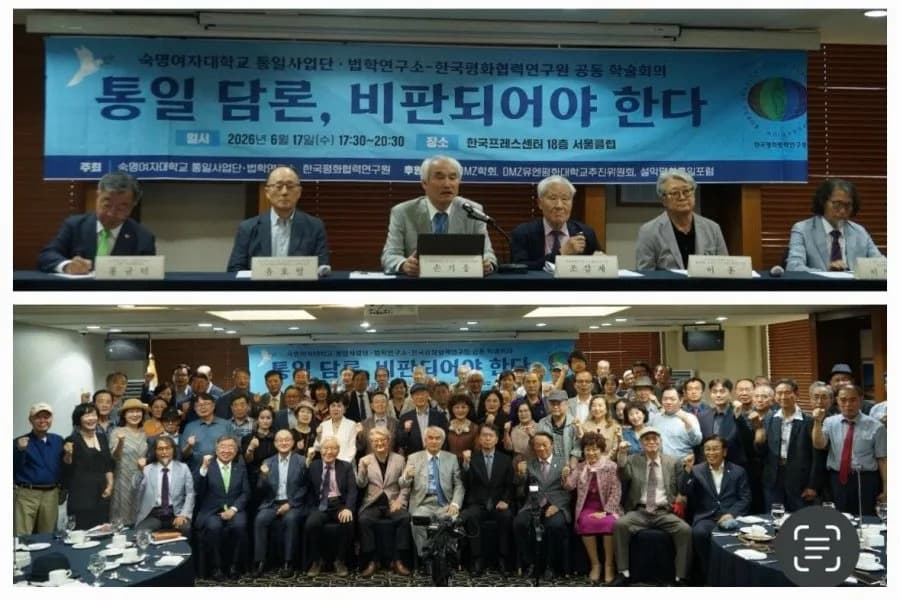
Top, from left, Hong Kyu-dok, Yoo Ho-yeol, moderator Son Gi-woong, Cho Gap-je, Lee Hoon and Lee Myung-kwon take part in a conference on South Korea’s unification policy at the Korea Press Center in Seoul on Wednesday. Bottom, panelists and attendees pose for a group photo after the conference. Courtesy of the Korea Institute for Peace and Cooperation
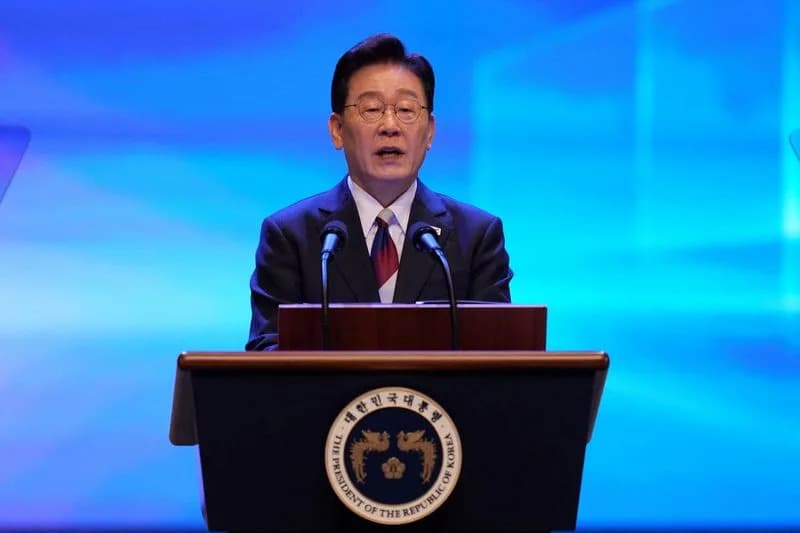
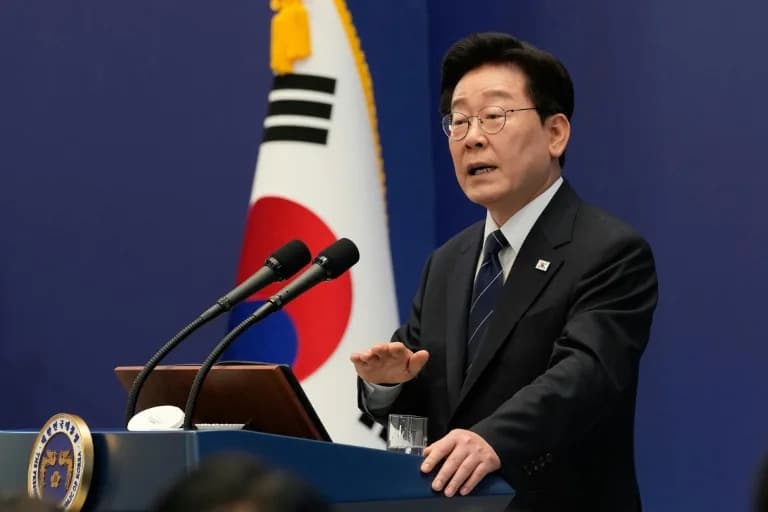
South Korean security experts were sharply divided at a Seoul forum over President Lee Jae‑Myung's renewed push for inter‑Korean dialogue as North Korea expands its nuclear and missile programs. The debate highlighted a central dilemma for Seoul: whether engagement without stronger deterrence risks coercion, or whether dialogue remains the only practical channel to reach ordinary North Koreans.
Context
The discussion came as Pyongyang continues to grow its nuclear arsenal and formally abandoned earlier commitments to peaceful reunification. The forum followed a joint statement by South Korea and the European Union condemning North Korea's weapons programs and its reported military cooperation with Russia. It also came after Lee called on U.S. leaders at the Group of Seven summit in France to take a leading role in addressing the North Korean challenge.
Forum Details
The event, titled "Unification Discourse Must Be Critically Examined," convened at 5:30 p.m. on the 18th floor of the Korea Press Center in central Seoul at the Seoul Club. About 50 people attended. It was co‑hosted by the Korea Institute for Peace and Cooperation and the unification education program at Sookmyung Women's University. Son Gi‑woong, president of the Korea Institute for Peace and Cooperation and a former head of the Korea Institute for National Unification, moderated the session.
Key Speakers And Positions
Yoo Ho‑yeol — Focus On North Korean People
Yoo Ho‑yeol, chairman of the Unification Preparation Research Institute, argued that Kim Jong Un's declaration of a "hostile two‑state" relationship reflects both confidence in his nuclear deterrent and anxiety about the regime's eroding control as outside information and South Korean culture filter in. Yoo emphasized that Seoul's primary concern should be the welfare of the North Korean people and that engagement is an important tool for reaching citizens behind the regime.
"South Korea's primary concern should be the North Korean people, not the Kim government," Yoo said.
Cho Gab‑je — Warning Against Engagement Without Deterrence
Cho Gab‑je, president of Chogabje.com, issued a stark caution: pursuing dialogue without bolstering deterrence could expose South Korea to nuclear coercion. He outlined a scenario in which Pyongyang might initiate conventional attacks and then threaten nuclear escalation to limit Seoul's response options.
Lee Myung‑kwon — Dialogue Paired With Phased Verification
Lee Myung‑kwon, standing representative of the K‑Peace and Unification Alliance, supported talks but insisted they be paired with credible deterrence and verification. He proposed a phased approach that would include suspending long‑range missile tests, monitoring nuclear facilities, and offering selective sanctions relief — while stopping short of formally recognizing North Korea as a nuclear‑weapon state. Lee also warned that Seoul's own policy swings between engagement and pressure with each administration undermine long‑term trust.
Hong Kyu‑dok — Strengthen Capabilities And Public Messaging
Hong Kyu‑dok, a professor at Sookmyung Women's University and former South Korean ambassador to Hungary, urged Seoul to enhance capabilities in artificial intelligence, surveillance, and precision‑strike systems. He argued that a clear, public stance opposing North Korea's military cooperation with Russia is important to sustain European support.
On domestic outreach, Hong stressed the challenge of making unification relevant to younger South Koreans. He noted that university students react more strongly to personal encounters with young North Korean defectors than to formal lectures, and he recommended integrating unification education into regular university curricula with stable, long‑term funding.
Closing Remarks
In his closing comments, moderator Son Gi‑woong cited Germany as an example of how peaceful reunification can be shaped by ordinary citizens making informed political choices over time. Son placed primary responsibility for the erosion of inter‑Korean trust on North Korea's pursuit of nuclear weapons despite earlier denuclearization agreements, while also urging South Korea to become a society that North Koreans could trust and choose voluntarily.
Takeaway
The forum made one point clear: South Korea faces a difficult balancing act. Panelists largely agreed that if talks are to resume, they should be paired with credible verification and deterrence measures, while long‑term engagement and education are needed to build the societal trust that any future reconciliation would require.
Help us improve.