Taiwan President Lai Ching-te urged the U.S. to quickly approve a proposed $14 billion arms sale to help Taipei deter growing pressure from Beijing. Lai reaffirmed Taiwan's rejection of unification with China and defended the island's right to bolster its defences. The administration has proposed NT$1.25 trillion (about US$40 billion) in weapons spending and the cabinet approved an extra NT$210 billion (US$6.6 billion) for indigenous unmanned systems despite a legislature-backed $25 billion special defence budget that cut the requested amount by roughly one-third. Lai also warned of increasing Chinese coercion in the region as Japan and the Philippines pursue maritime-boundary talks.
Taiwan Urges Swift U.S. Approval Of $14B Arms Sale As China Increases Pressure
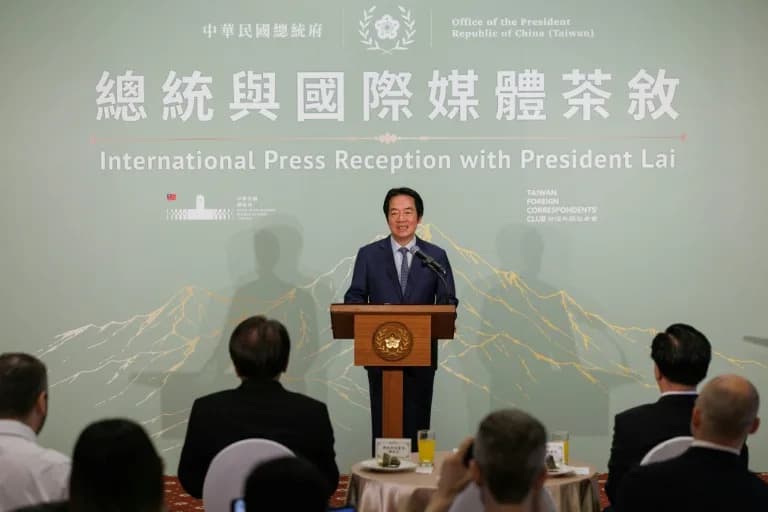
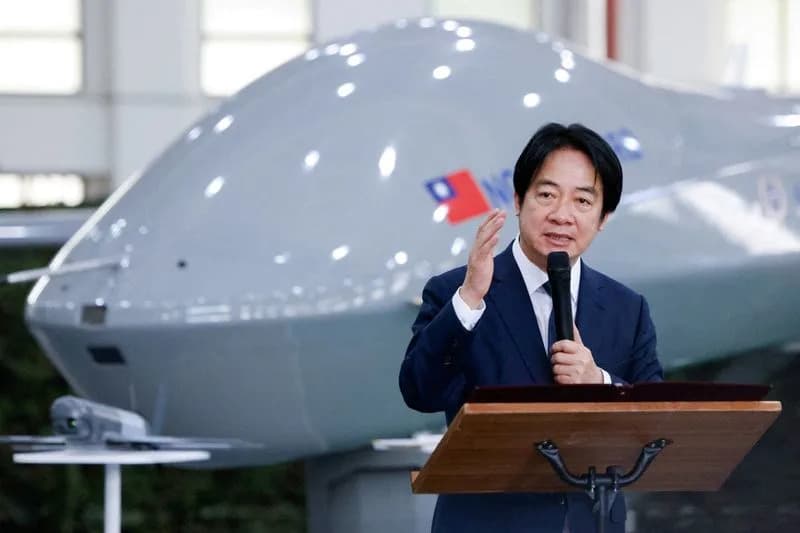
Taipei relies heavily on Washington's support to counter growing pressure from Beijing (CHENG Yu-chen)(CHENG Yu-chen/AFP/AFP)
Taiwan President Lai Ching-te on Thursday urged the United States to approve a proposed $14 billion arms package "as soon as possible," reiterating that the democratic island rejects unification with China and is strengthening its defences amid growing regional tensions.
"We hope that the arms purchases can be approved as soon as possible," Lai told reporters in Taipei. He added that Taiwan's efforts to safeguard national security, defend its democratic way of life, and reject rule by the Chinese Communist Party should not be portrayed as a provocation or as making Taiwan a troublemaker in the region.
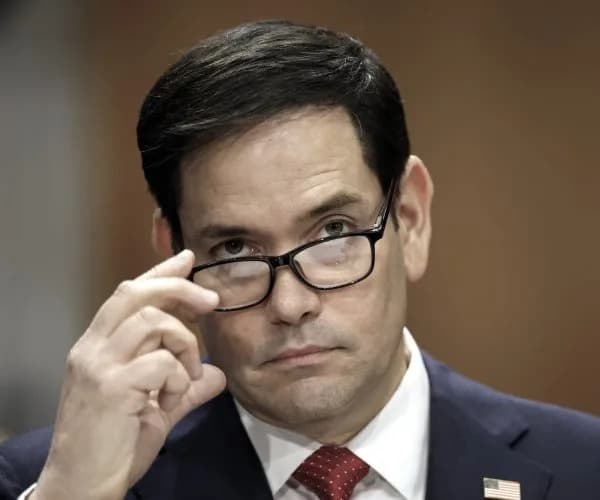
The United States formally recognises the government in Beijing, but U.S. law — notably the Taiwan Relations Act — obliges Washington to provide Taiwan with the means to defend itself, a persistent source of friction with China. U.S. Senator Marco Rubio said the proposed $14 billion package was "under review," while U.S. officials have previously signalled they were assessing whether weapons stockpiles were sufficient given other regional commitments.
Budget Dispute And Local Defence Plans
Lai's administration has pledged to raise overall defence spending to more than 3 percent of GDP this year and proposed NT$1.25 trillion (about US$40 billion) for weapons purchases, combining U.S.-developed systems with domestically produced drones and other equipment. However, Taiwan's opposition-controlled legislature last month approved a $25 billion special defence budget — roughly one-third less than the amount Lai's ruling party sought — reflecting disagreement over the scale and pace of planned purchases.
On Thursday, Taiwan's cabinet approved an additional NT$210 billion (about US$6.6 billion) to accelerate development and procurement of indigenous unmanned systems after the defence ministry described the scaled-back budget as insufficient to fully build the military's combat capabilities.
Regional Tensions
Asked about Lai's remarks, Chinese foreign ministry spokesperson Lin Jian warned that "seeking independence by relying on the United States or through military means is a dead end," saying the Taiwanese leader's comments revealed "deep-seated anxiety and insecurity."
Lai also accused Beijing of exerting pressure on Japan and the Philippines as those countries begin formal talks to delimit their maritime boundary east of Taiwan. Taipei rejects China's maritime claims in the area and stresses that Taiwan and China are not subordinate to one another. Lai warned that China's military activities in the East and South China Seas and across the Taiwan Strait have extended into the western Pacific and that its "various forms of coercion continue to increase."
While most countries — including Japan and the Philippines — do not formally recognise Taiwan's sovereignty, both maintain close unofficial ties with the island and share growing concern about China's maritime claims and regional posture.
Help us improve.