Dongfang Electric connected a record-setting 26 MW wind turbine to the grid in Shandong on October 29. The onshore test unit—designed for offshore use—features a rotor span of more than 1,017 ft and blades around 502 ft, and is estimated to produce ~100 million kWh annually, enough to power about 55,000 homes. While the milestone demonstrates the benefits of scaling up turbines, challenges such as marine impacts, transport logistics and policy or grid bottlenecks remain.
China Connects World's Largest Wind Turbine to Grid — 26 MW Unit Could Power ~55,000 Homes
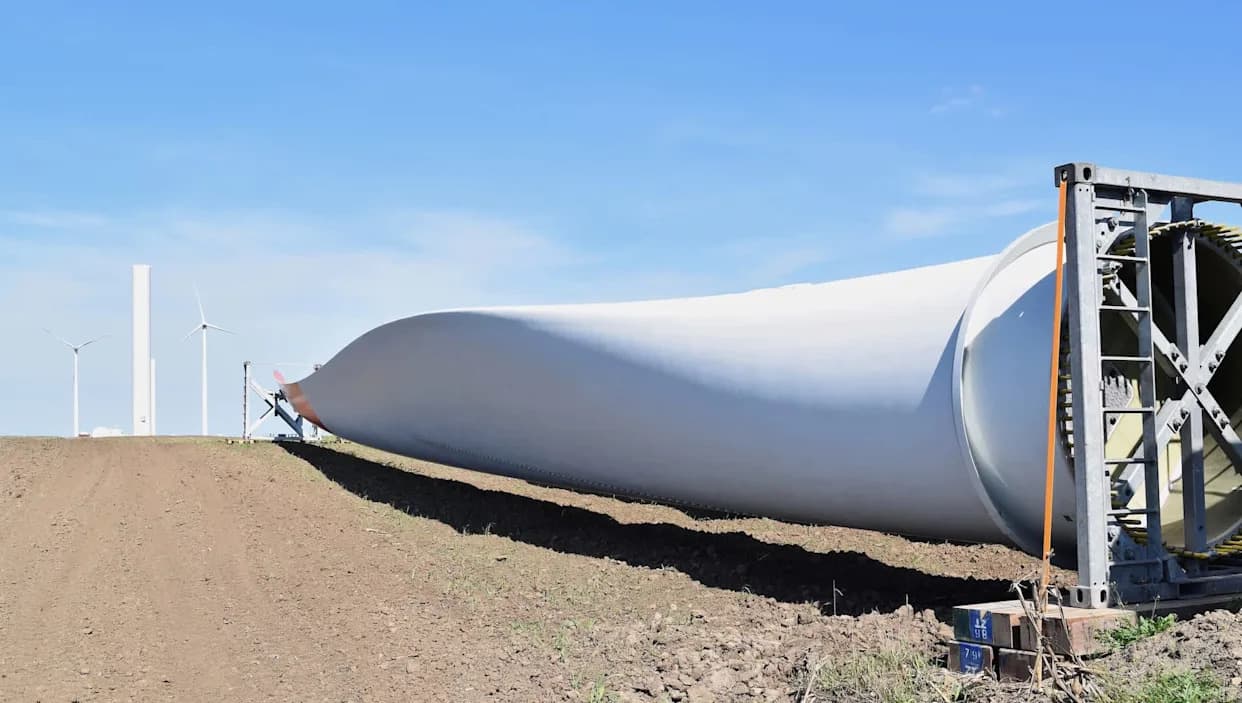
Photo Credit: iStock
China's Dongfang Electric has moved a giant wind turbine out of prototype testing and into the grid. On October 29 the company connected a 26-megawatt (MW) unit in Shandong Province, setting records for single-unit capacity and rotor diameter among grid-connected wind turbines.
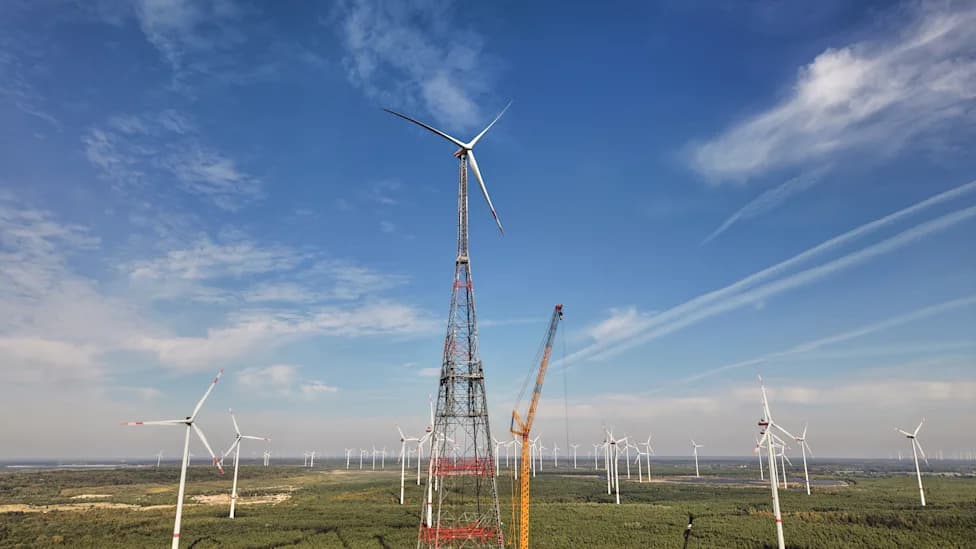
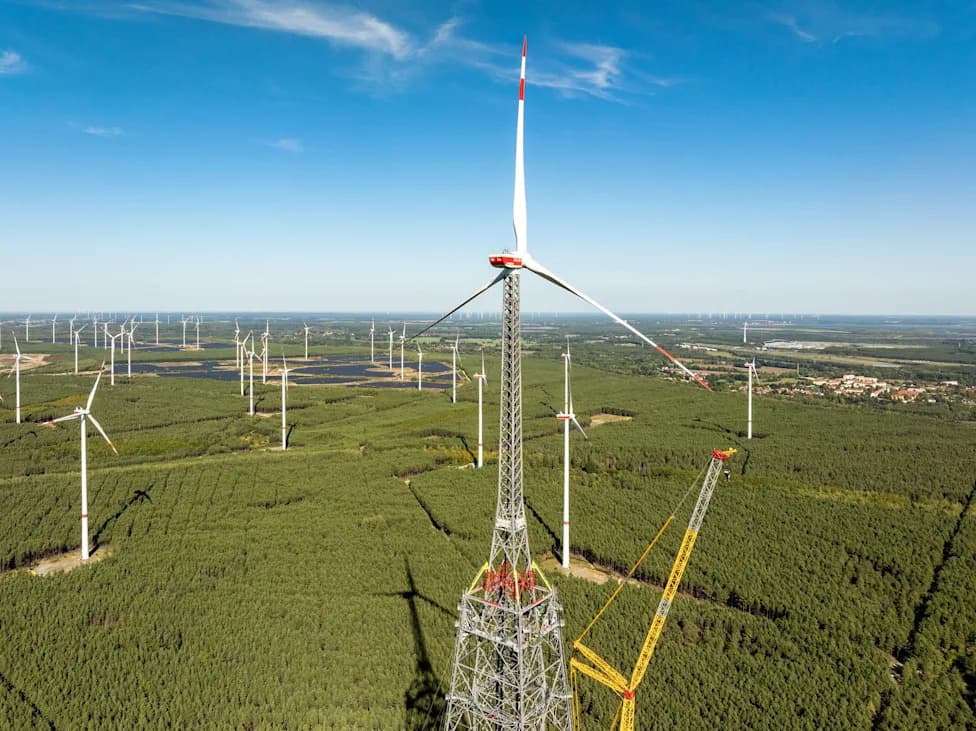
The onshore test installation sits at the Dongying Wind Power Equipment Testing and Certification Innovation Base, although the machine is designed for offshore deployment. By scale, the turbine is extraordinary: the rotor span exceeds 1,017 feet (≈310 m), each blade measures about 502 feet (≈153 m), and the swept area is roughly 19 acres (≈7.7 ha).
Performance estimates: Dongfang says the turbine can generate about 100 million kilowatt-hours (kWh) per year at average wind speeds near 22 miles per hour (≈9.8 m/s), enough to power roughly 55,000 homes. The company also estimates a single unit could displace more than 33,000 tons of standard coal annually and avoid over 88,000 tons of CO2 emissions.
Why Size Matters
Scaling up turbine size—taller towers and longer blades—allows fewer machines to produce more clean energy. Larger units can lower per-megawatt construction and maintenance costs over time, improve grid reliability, and reduce exposure to fossil-fuel price swings for utilities, cities and businesses.
Challenges And Uncertainties
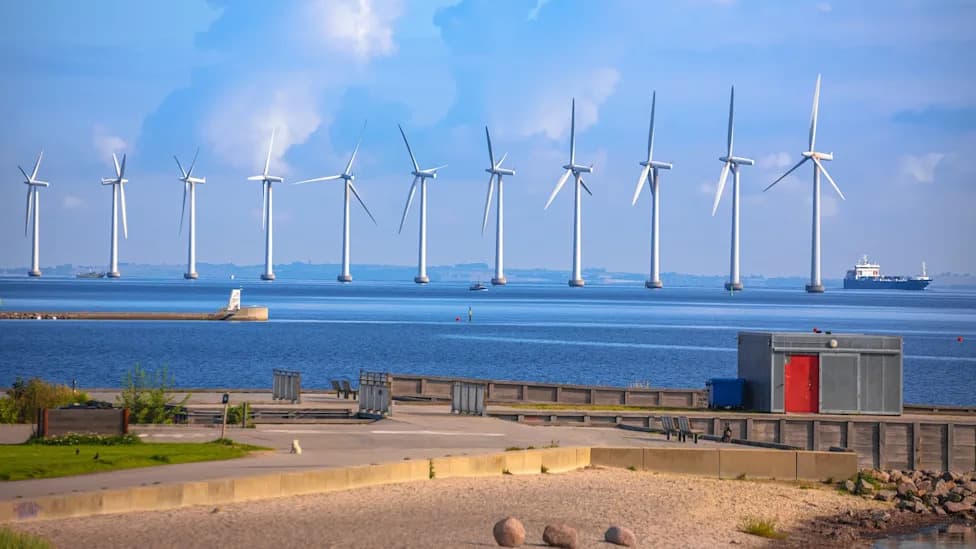
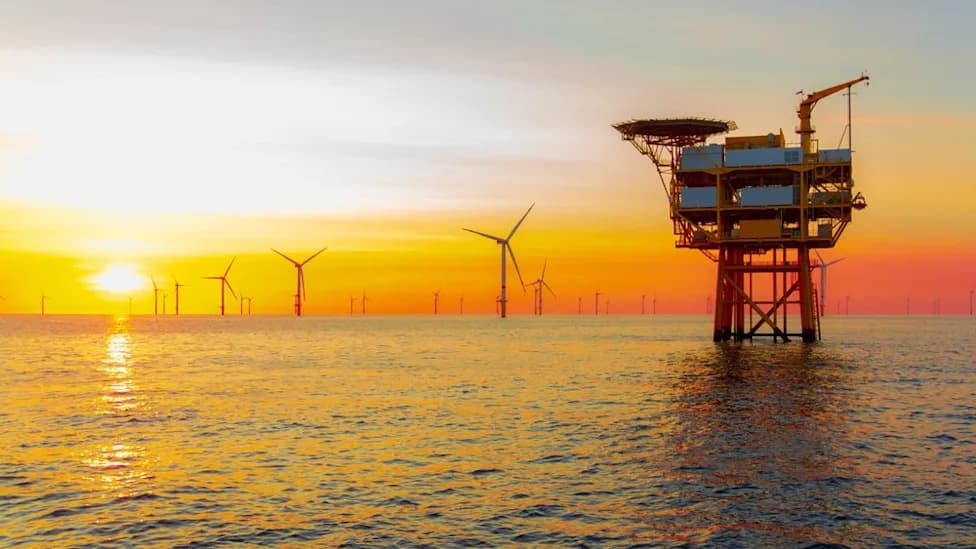
Despite the promise, significant hurdles remain. Offshore deployment at this scale raises concerns about potential impacts to marine habitats, and transporting and installing components hundreds of meters long presents major logistical challenges. The ultimate value of these turbines depends on whether they prove dependable in real offshore conditions.
Industry context matters: the Global Wind Energy Council (GWEC) reported that China held roughly half of cumulative global offshore wind capacity by the end of 2024 and led new installations for a seventh consecutive year, while warning of policy instability, problematic auctions, transmission bottlenecks and slower project commissioning in some regions.
State media and outlets such as Xinhua and CGTN have hailed the grid connection as an industry milestone. Dongfang says it aims to build similar turbines in Guangdong and Fujian as testing proceeds.
Bottom line: The grid connection is a notable technical achievement that highlights the push toward much larger wind machines—but environmental, logistical and policy risks will determine how quickly and widely the technology is deployed offshore.
Help us improve.