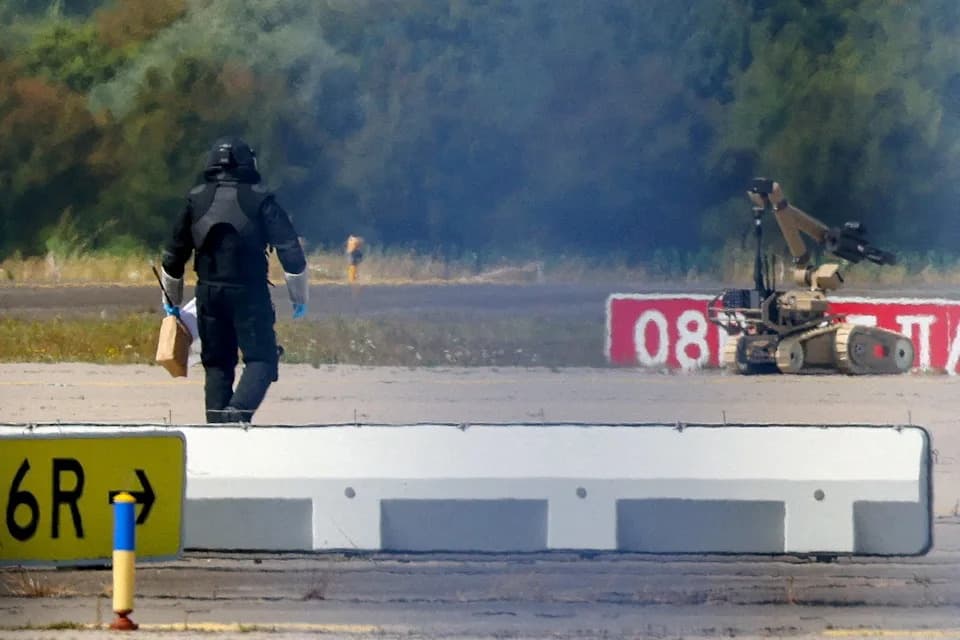
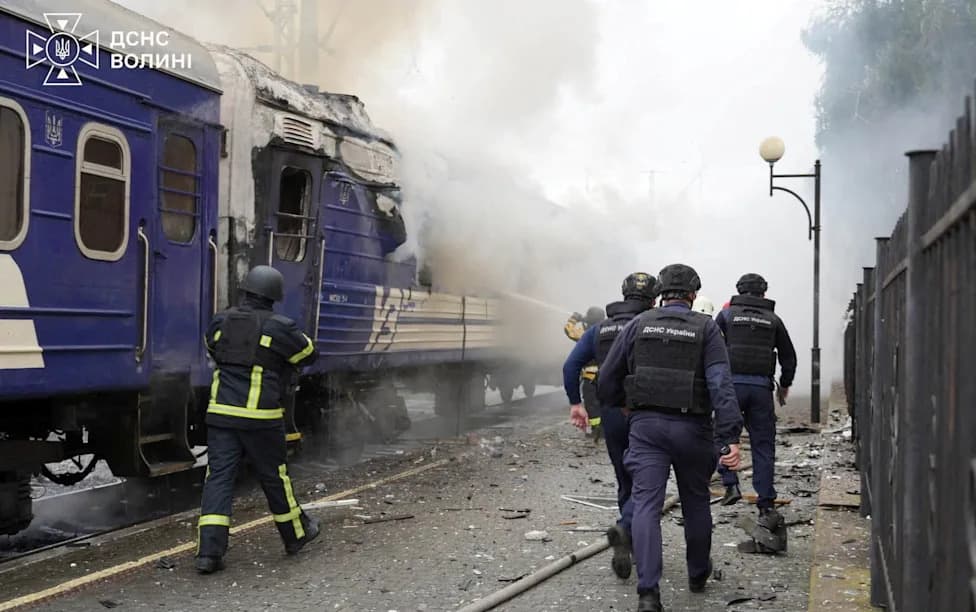
After more than four years of war, signs that Ukraine is gaining the upper hand should encourage the West, but Vladimir Putin shows no sign of seeking an exit. Reported Russian battlefield losses and economic strain have sparked domestic warnings of social crisis, yet Moscow appears to be escalating asymmetric and provocative acts against Western targets. The article argues the West needs a coherent deterrence strategy — combining unity, clear costs for aggression, and continued support for Kyiv — to prevent further destabilisation.
Ukraine Is Gaining Ground — Why the West Must Harden Its Deterrence Against Putin
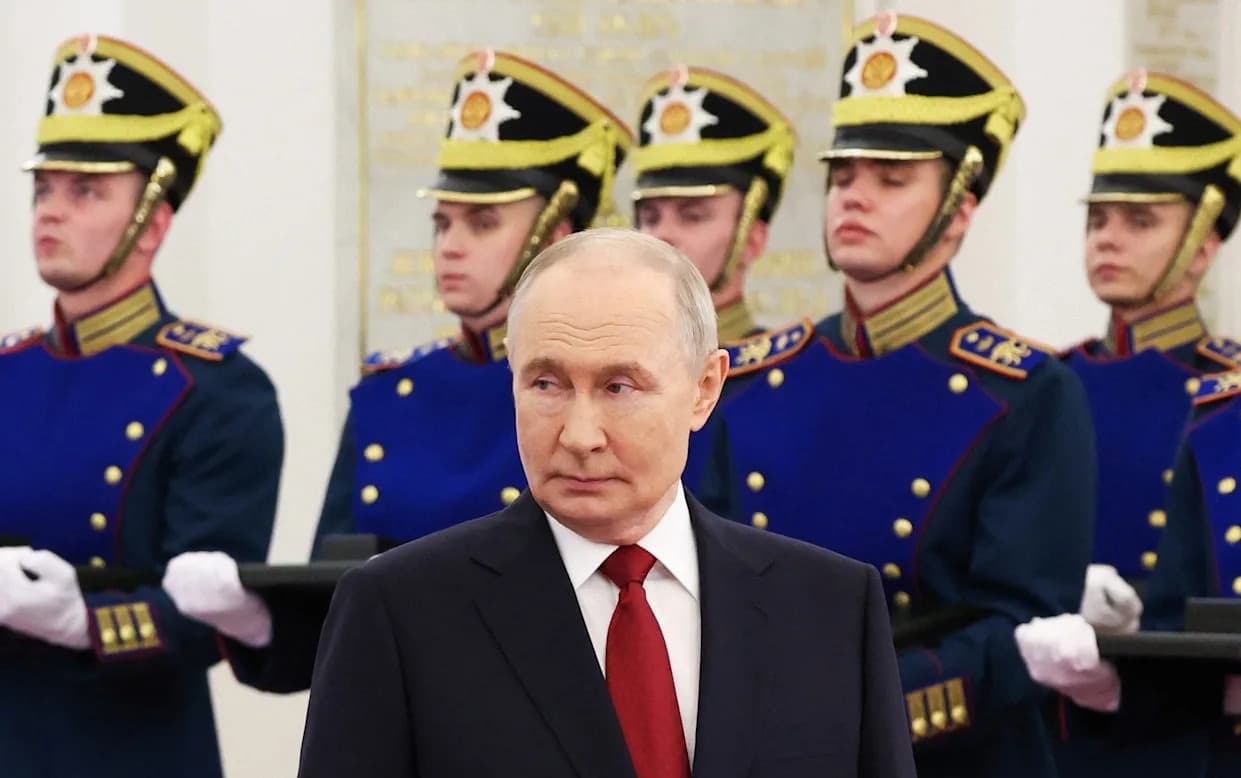
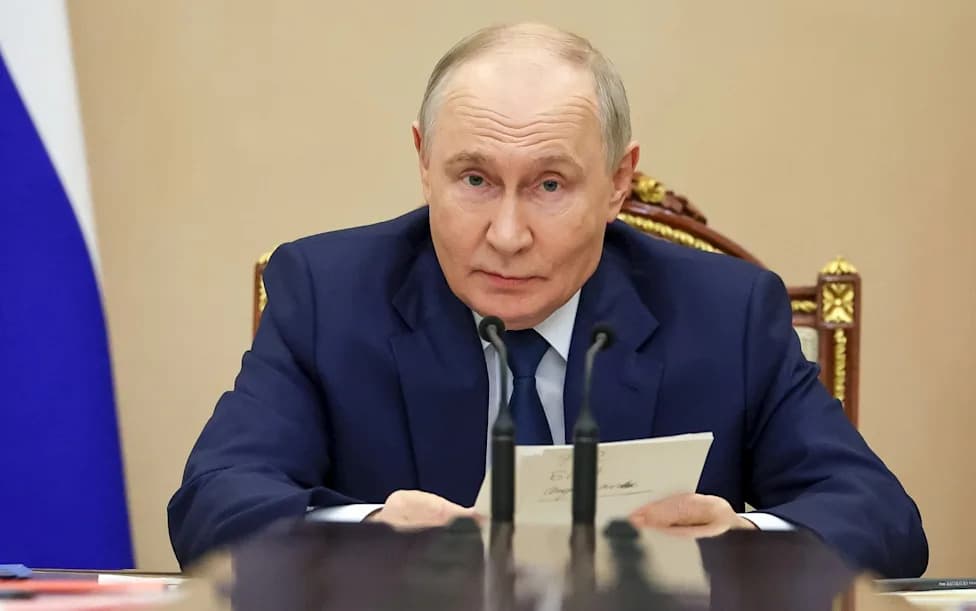
The Russian president appears oblivious to the harm he is inflicting on both Russia and his own chances of surviving in office - ALEXANDER KAZAKOV/ POOL
After more than four years of relentless fighting, growing evidence that the momentum of the war is shifting in Kyiv’s favour should be a moment for the West to take heart. Vladimir Putin’s “special military operation” — aimed at reducing Ukraine to a Kremlin vassal — remains a profound long-term threat to both Ukraine’s independence and the security of the Western alliance.
That is why Western governments have provided Kyiv with substantial military and financial support, a commitment reaffirmed this week by G7 leaders meeting at Evian‑les‑Bains. On the battlefield Ukraine has gained notable advantages: long‑range Ukrainian drones have struck targets in Moscow and St Petersburg, underlining how Putin’s prospects of outright victory are diminishing.
In most conflicts, mounting losses and strategic failure produce pressure to seek an exit. Putin has not followed that pattern. Rather than accepting that his campaign cannot achieve its aims, he resists calls for a durable ceasefire — even when domestic voices warn of growing social and economic strain.
Rising Costs, Domestic Alarm
Beyond battlefield losses — reported estimates put Russian casualties at around 30,000 a month — the war is inflicting broad economic damage in Russia. Prominent figures such as Vyacheslav Markhayev, a former police general, have publicly warned of a “brink of a social explosion” and urged an end to the conflict before the country slides into chaos.
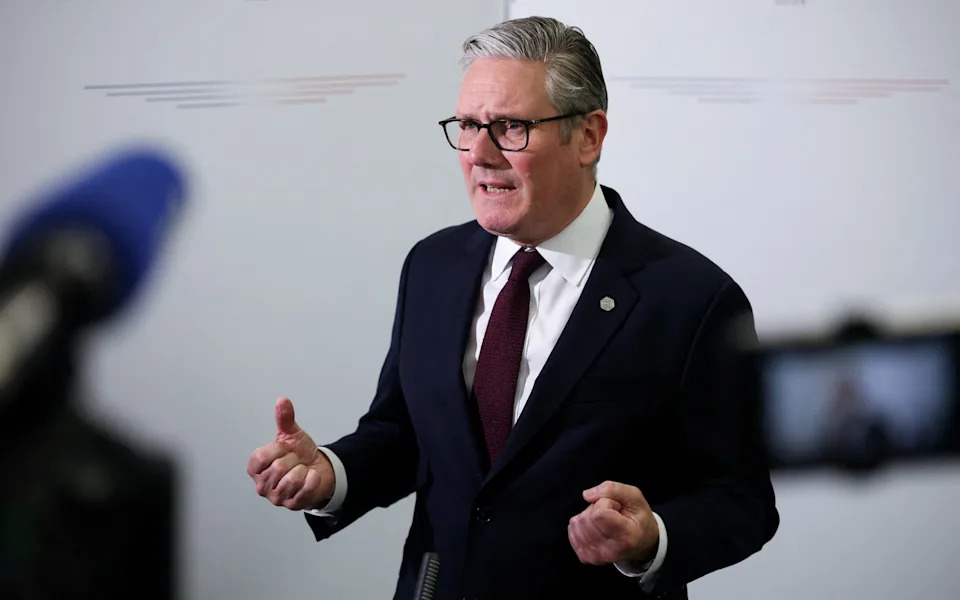
Sir Keir said warning shots fired by a Russian warship at an unarmed British yacht in the Channel were reckless but not sinister - Isabel Infantes
Escalation, Not Retreat
Rather than becoming more cautious, Putin appears prepared to widen confrontation with the West through asymmetric and provocative acts. Recent incidents — from an episode in the English Channel, when a Russian warship reportedly fired warning shots near a British yacht, to attacks on undersea infrastructure, cyber operations, disinformation campaigns and targeted incidents linked to UK political figures — suggest a strategy in which “the frontline is everywhere.”
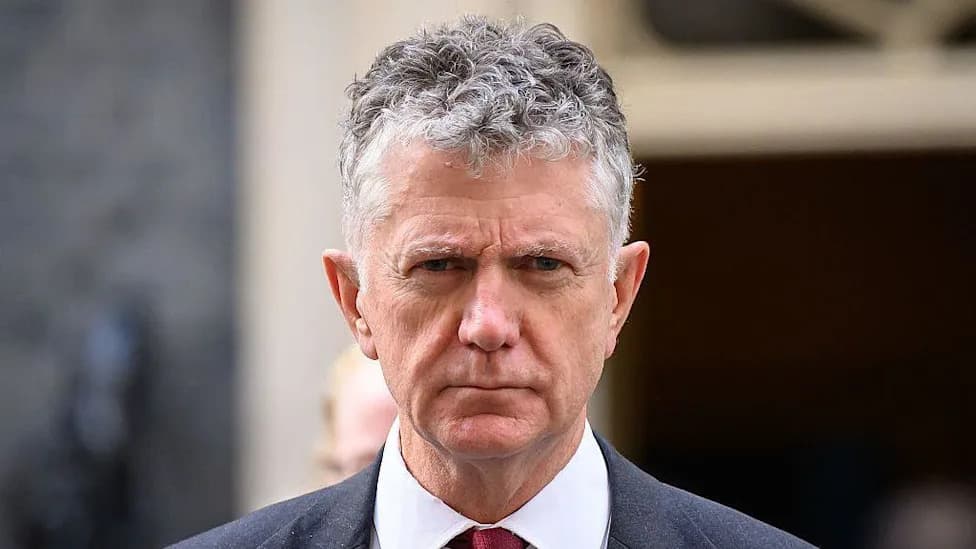
“The frontline is everywhere. The export of chaos is a feature, not a bug, in the Russian approach to international engagement,” said Blaise Metreweli, head of MI6, warning of an aggressive, expansionist and revisionist mindset.
Putin’s growing isolation — reportedly spending much of his time in fortified locations and consulting only a tight circle of advisers — makes miscalculation and risky behaviour more likely. That increases the danger to Western countries and their interests, and it demands a measured but firm response.
A Coherent Western Response
Western leaders must adopt a coherent deterrence strategy that clearly sets out the costs Moscow will face for further provocations. The UK’s robust response to the 2018 Salisbury attack — leading an international effort to expel dozens of Russian intelligence officers after a Novichok poisoning — is an example of imposing meaningful consequences without provoking uncontrolled escalation.
To deter future intimidation, democracies should combine sustained military, economic and diplomatic pressure with readiness to respond proportionately to acts of aggression. Unity, clarity of purpose and visible resolve are essential if the West is to protect Ukraine’s gains and prevent further destabilisation.
Ultimately, the lesson is simple: as Ukraine pushes back, the West must not relapse into complacency. It should sharpen deterrence and maintain the political and material support that has helped Kyiv gain the upper hand.
Help us improve.