Jonathan Powell, the UK national security adviser, told a Kyiv forum that Europe must be prepared to endure "real hardship" this winter to sustain pressure on Russia. He argued that sanctions and military support are working and described recent Russian escalation as "a sign of success." Powell urged continued Western unity despite energy shortages and rising infrastructure damage estimated at about $10bn, and said the path to negotiation is opening as Russia feels pressure.
UK Security Adviser Says Europe Must Brace For ‘Real Hardship’ This Winter To Keep Pressure On Putin
[Getty Images]
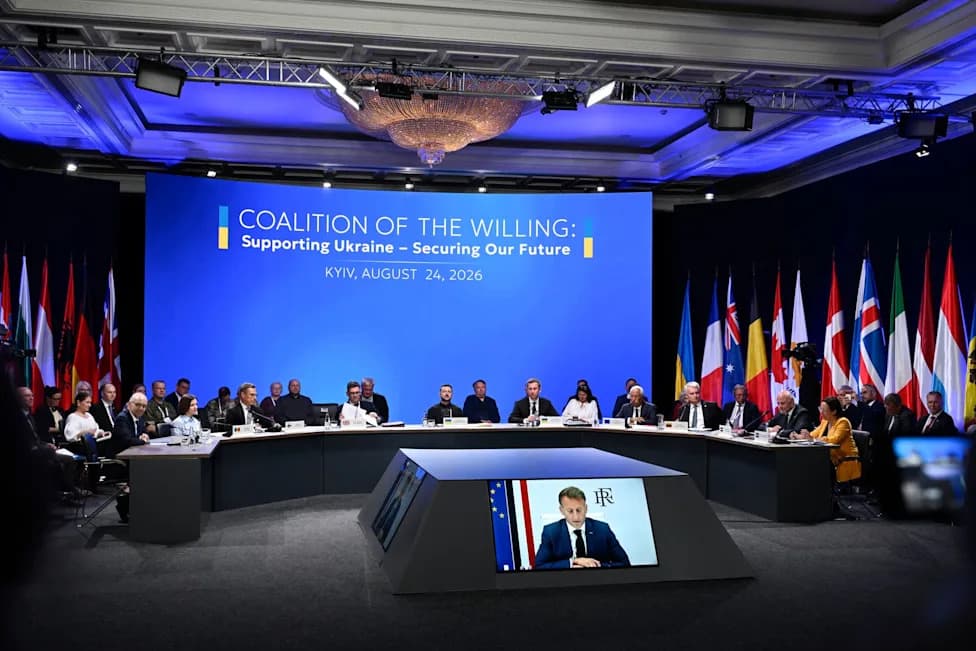
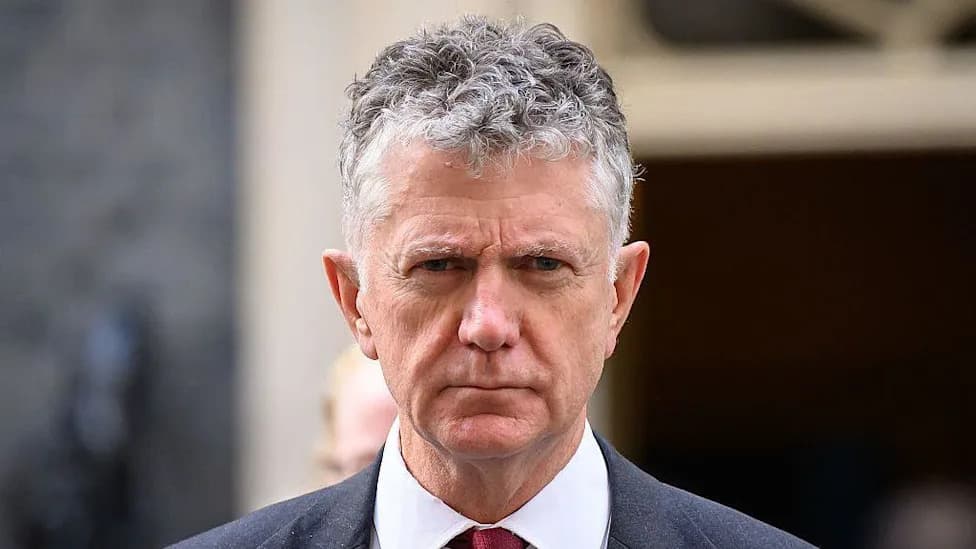
The UK national security adviser, Jonathan Powell, warned in Kyiv that European countries must be prepared to endure "real hardship" this winter if they intend to maintain economic and political pressure on Russia. Speaking at the Yalta European Strategy forum, Powell said the West's combined approach of military support for Ukraine and sanctions on Moscow is producing results—and urged allies not to "take their foot off the gas."
Sanctions, Support And The Risk Of Hardship
Powell described recent Russian escalation not as a setback but as "a sign of success," arguing that the pressure being applied to President Vladimir Putin is beginning to bite. He warned that sustaining sanctions and aid will require sacrifices from European populations and governments, especially as the continent faces an energy squeeze after sharply reducing reliance on Russian oil and gas.
"It will require some real hardship and difficulties on our parts," Powell said. "But we will have to swallow that and we have to keep the economic, military, political and diplomatic support going for Ukraine."
Human And Economic Costs
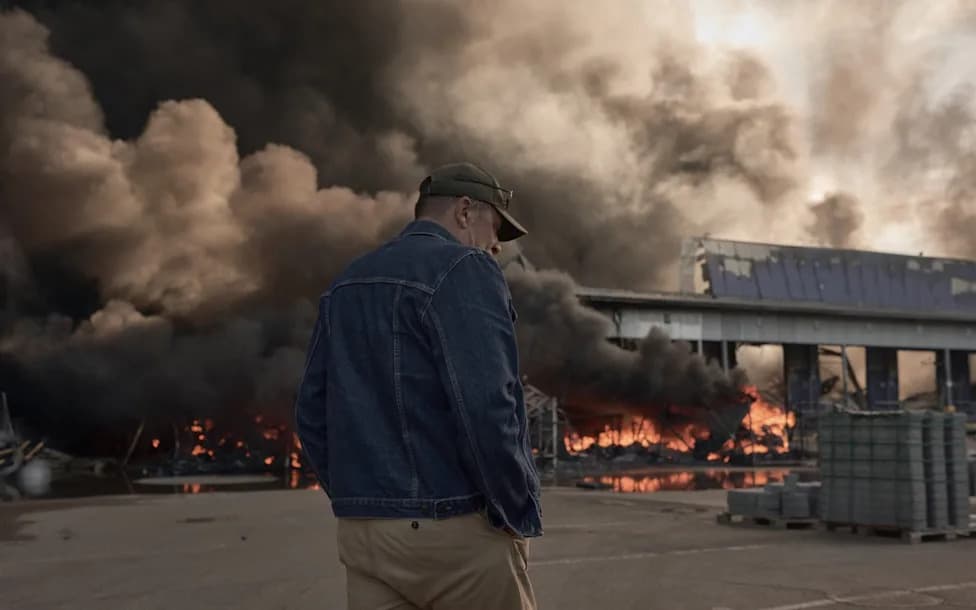
Ukrainian officials at the forum highlighted the toll of continuous Russian strikes on infrastructure and the economy. Oleksandr Kravchenko, Ukraine's economy minister, estimated damage this year at about $10 billion (£7.4 billion) and warned that the blockade of sea ports and restricted grain exports could contract Ukraine's GDP by roughly 1.5%.
Europe is entering winter with low gas stockpiles. The EU still receives around 12% of its gas imports from Russia and has a stated plan to phase out those imports by January, but the European Court of Auditors has warned the plan is "faltering" amid ongoing supply pressures.
Negotiation Strategy And Military Outlook
Powell argued that the long-term strategy should be to apply enough pressure to bring Russia to serious negotiations—and he suggested that recent escalation may actually increase the incentive for Moscow to talk. He said that, strategically, Ukraine has already achieved a form of victory because Putin cannot seize the whole country and a free, European Ukraine would determine its own future even if some territory remains contested.
Powell also reported that Russia has suffered heavy losses—he put the figure at about 1.5 million casualties—and that Ukraine has increasingly been able to strike deeper into Russian-held areas. These claims were presented as part of his broader assessment of battlefield dynamics and should be read as Powell's evaluation at the forum.
Diplomacy, Leadership And Risks
Powell said former US President Donald Trump appears "in a very different place," viewing Ukraine's improved performance as a reason not to tilt toward Moscow. He also declared the so-called "Anchorage compromise"—an alleged US-Russia understanding from a previous summit that would have forced Ukrainian concessions—"dead," arguing this removes a diplomatic obstacle to pursuing negotiated settlements that respect Ukraine's sovereignty.
While urging continued contact with Russia to avoid miscalculation, Powell described Putin as a "terrorist" and stressed the need for clear red lines. "What we don't want is miscalculation—that they don't understand where our red lines are," he said, noting recent intelligence contacts as part of that effort.
On-the-Ground Concerns
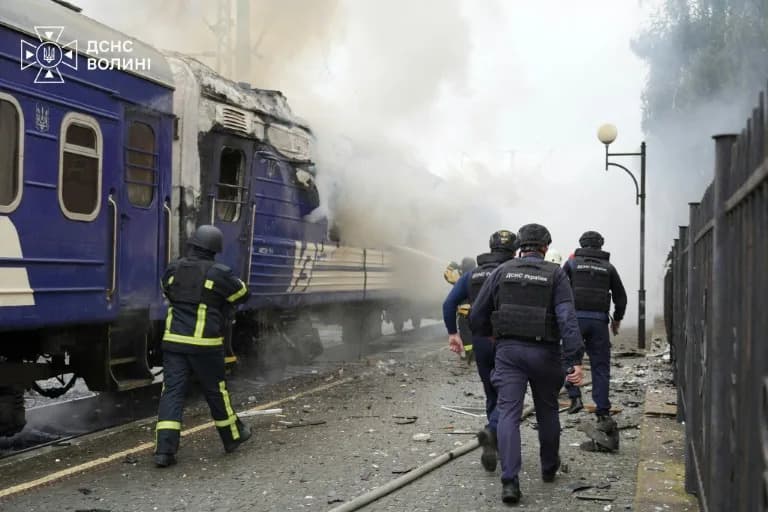
Meanwhile, Russian attacks continue to drive evacuations in eastern cities such as Slovyansk and Kramatorsk, and Kyiv continues to face frequent air-raid alerts as Moscow launches sustained strikes on power and civilian infrastructure.
Context: Powell's remarks offer an unusually frank and optimistic outline of UK strategy, stressing unity among Western allies despite energy challenges and battlefield setbacks. He urged publics and governments across Europe to accept short-term pain in order to secure a longer-term strategic advantage.
Help us improve.