The FDA has initiated a voluntary Class III recall of 898,050 1 mL single-dose epinephrine vials—primarily specific Fresenius Kabi lots—after 18-month stability testing revealed impurities and degradation. At least six batches are affected, with expirations from this month through April next year. The recall ID is D-0581-2026. Patients and medical providers should check batch numbers and expiration dates and contact pharmacists or physicians for next steps.
FDA Announces Voluntary Recall of 898,050 Epinephrine Vials After Stability Tests Find Impurities
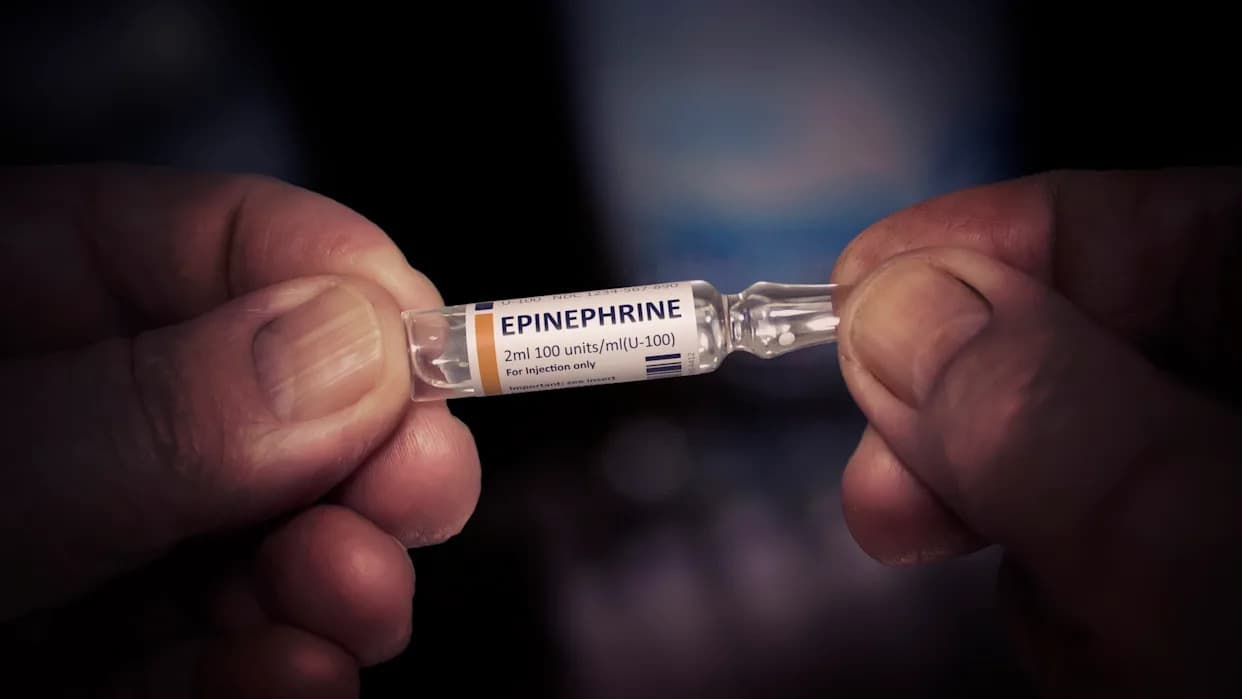
Photo Credit: iStock
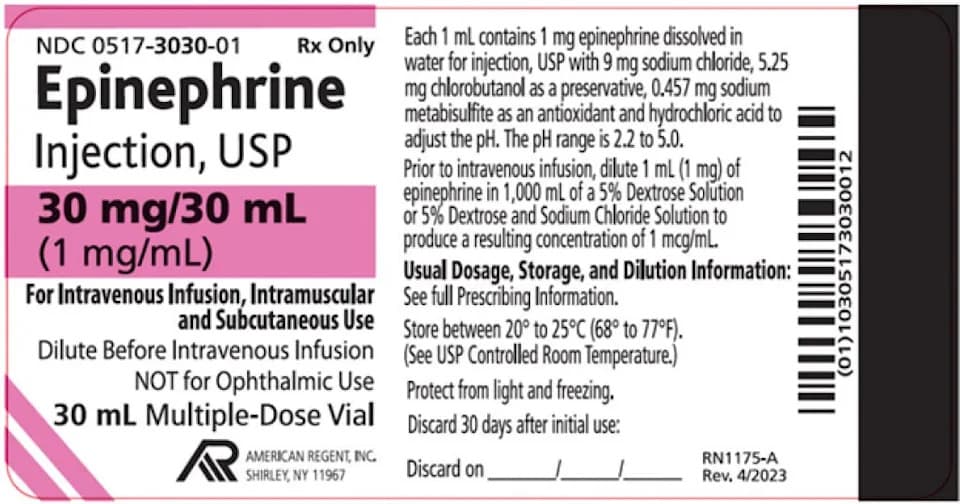
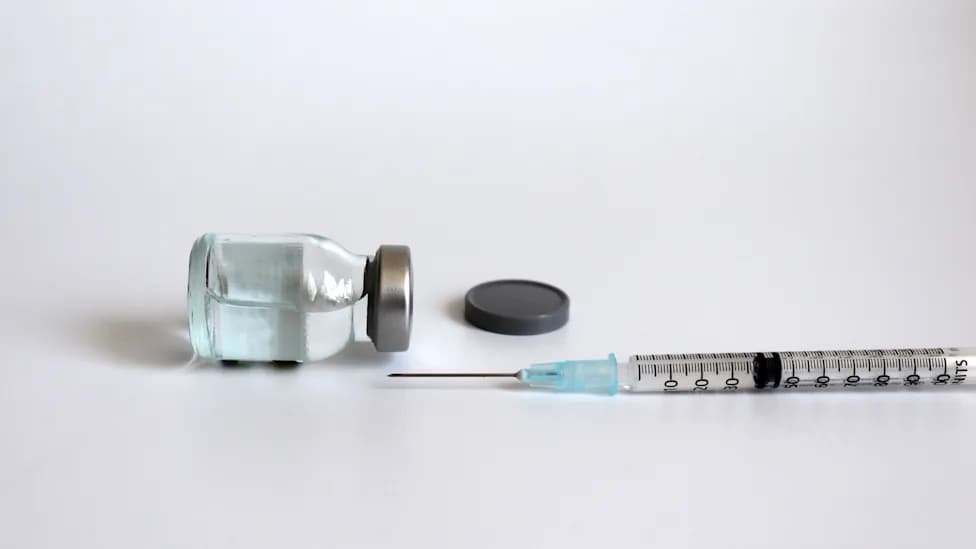
The U.S. Food and Drug Administration has announced a voluntary recall of 898,050 1 mL single-dose vials of epinephrine following stability testing that found the product failed to meet limits for impurities and degradation. The recall appears to be limited to specific single-dose vials produced by Fresenius Kabi and does not automatically apply to all epinephrine products on the market.
Recall Details
The issue emerged during an 18-month stability check when affected vials no longer met required quality specifications for impurities and degradation. The FDA has classified the action as a Class III recall—its lowest risk category—meaning the product is unlikely to cause serious adverse health consequences, though regulators are acting proactively on quality concerns.
Cleveland Clinic: Epinephrine (also called adrenaline) "plays an important role in your body's 'fight-or-flight' response," and synthetic epinephrine is used to treat cardiac arrest, septic shock, asthma and anaphylaxis.
Scope and Timing
- Product: 898,050 1 mL single-dose epinephrine injection vials (specific Fresenius Kabi lots).
- Affected Lots: At least six separate batches.
- Expiration Dates: Impacted lots have expiration dates ranging from this month through April of next year.
- Recall ID: D-0581-2026.
What Patients and Providers Should Do
Consumers and medical providers who believe they may have an affected vial should check the vial's batch/lot number and expiration date against the recall notice. If you have a matching product, contact your pharmacist, prescribing physician, or health-care provider for guidance. Medical facilities that stock emergency medications should inspect inventory immediately and remove or replace any affected lots to ensure reliable supplies for urgent care.
It’s important to note that this recall does not automatically include EpiPen-style auto-injectors or other allergy medications kept at home; those products are made by different manufacturers and use different packaging and delivery systems.
If you have questions about the recall or need confirmation about a specific lot, consult your supplier, pharmacist, or the FDA recall notice referenced by the recall number above.
Help us improve.