Peru's Ministry of Culture has confirmed the intentional destruction of the pre‑Hispanic "Triple Spiral" geoglyph in the Quebrada Santo Domingo Archaeological Zone, La Libertad. The erasure followed a recent eviction of illegal occupants and may be retaliation against state recovery efforts. Prosecutors are investigating five people and possible clandestine pipelines tied to the Chavimochic canal. Authorities call the loss "irreparable" and are pursuing administrative and criminal inquiries.
Irreplaceable Loss: 1,000‑Year‑Old 'Triple Spiral' Geoglyph Deliberately Destroyed in Peru
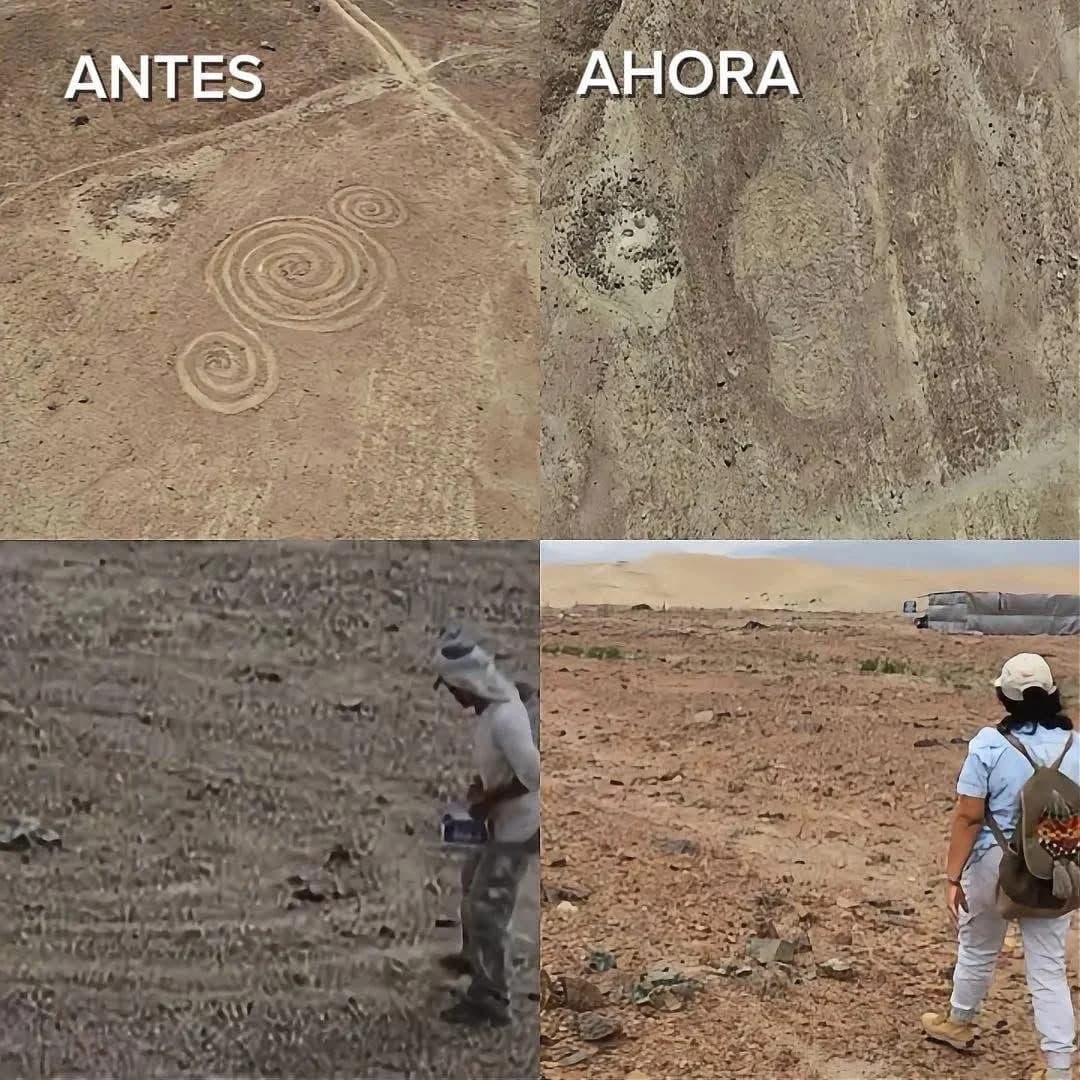
Peru's Ministry of Culture has condemned the deliberate destruction of the pre‑Hispanic geoglyph known as the "Triple Spiral", a cultural feature more than 1,000 years old located in the protected Quebrada Santo Domingo Archaeological Zone in Laredo, La Libertad, roughly 350 miles (560 km) north of Lima.
Specialists and National Police officers confirmed that the figure was intentionally erased through manual alteration of the ground. The Ministry said the attack appears to be linked to recent state actions to recover and protect the site.
"The sequence of events suggests that this attack may constitute retaliation against the recovery and protection actions carried out by the state in defense of cultural heritage," the Ministry of Culture said in a statement.
The destruction came days after a coordinated operation by cultural, municipal and police authorities to evict illegal occupants who had installed makeshift structures inside the protected archaeological zone. During that operation, officials dismantled improvised shacks and fences and found suspected illegal agricultural activity within the area.
Authorities are also investigating reports of clandestine pipelines allegedly installed to divert water from the Chavimochic irrigation canal, one of Peru's major hydraulic megaprojects. Investigators have identified five individuals who said they were guarding the land on behalf of an alleged possessor; prosecutors have included those people in an ongoing inquiry.
The Triple Spiral was one of Quebrada Santo Domingo's most emblematic features. It measured about 20 meters (65 feet) long and 5.8 meters (19 feet) wide and had been linked by researchers to ceremonial practices related to the management and worship of water among pre‑Hispanic coastal societies.
Sandra Barrantes, deputy director of the Decentralized Directorate of Culture of La Libertad, called the incident an "irreparable loss" for Peru and the world’s cultural heritage, according to Noticias RPP.
Prosecutors have opened a formal investigation to identify those responsible and to determine possible administrative, civil and criminal penalties. Quebrada Santo Domingo spans more than 1,500 hectares under state protection and preserves evidence of human occupation from roughly 11,000 years ago through the 15th century, including petroglyphs, ceremonial roads and remains associated with the Cupisnique, Moche and Chimú cultures.
The Ministry of Culture said the Triple Spiral's cultural importance has been compared to the renowned Nazca geoglyphs in southern Peru. With the figure's deliberate removal, authorities say significant archaeological evidence related to ancient coastal societies' water management and ritual practices has been lost.
Context and significance: The loss highlights ongoing tensions around land use, water resources and heritage protection in northern Peru. Officials have urged increased surveillance and legal action to prevent further damage to the country's archaeological patrimony.
Help us improve.