LivaNova reports that its PolySync programming algorithm increased the responder rate to 84.5% in OSA patients treated with proximal hypoglossal nerve stimulation (p‑HGNS) via the aura6000 device. The improvement was achieved by reprogramming one‑year non‑responders from individual‑contact to simultaneous‑contact stimulation in a PolySync sub‑study of the OSPREY trial (NCT04950894). Aura6000 received FDA PMA in March 2026 and a US launch is anticipated in 2027; results were presented at AASM SLEEP 2026.
LivaNova’s PolySync Algorithm Boosts p‑HGNS Responder Rate to 84.5% in OSA Patients
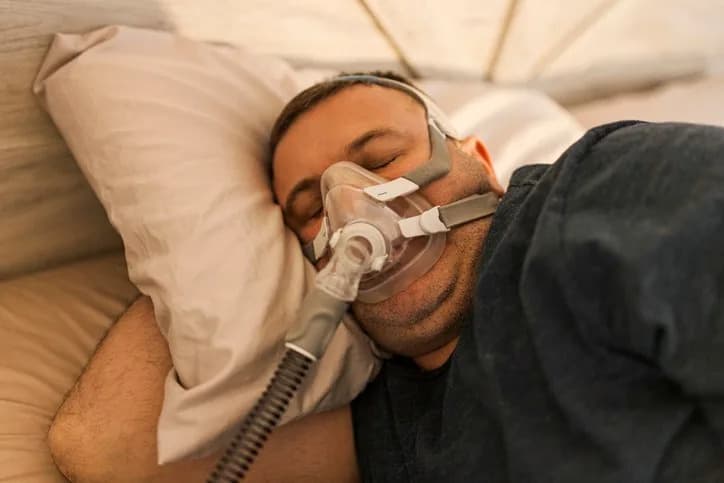
New clinical data from LivaNova show that its PolySync programming algorithm substantially improves response rates for obstructive sleep apnoea (OSA) patients treated with proximal hypoglossal nerve stimulation (p‑HGNS) using the aura6000 system.
Key Findings
In a PolySync sub‑study of the randomised OSPREY trial (NCT04950894), the overall responder rate rose to 84.5% after patients who had not responded to one year of standard individual‑contact stimulation were reprogrammed to a simultaneous‑contact stimulation setting enabled by PolySync. Initial OSPREY results presented in May 2025 reported a 65% responder rate at 12 months under the original programming strategy.
How the Therapy Works
The aura6000 platform delivers neuromodulation via a pulse generator implanted beneath the skin near the clavicle. It stimulates the trunk of the hypoglossal nerve, which controls tongue musculature; timed stimulation moves the tongue forward and increases stiffness to help prevent airway collapse during sleep.
About PolySync and the Sub‑Study
PolySync is a programming strategy that broadens the number and variety of stimulation fields available for p‑HGNS, allowing different contact patterns and activation strategies. In the sub‑study, patients who did not meet the trial's responder criteria after 12 months (defined as a ≥50% reduction in apnoea‑hypopnea index (AHI) from baseline and an absolute AHI <20) were switched from individual‑contact to simultaneous‑contact stimulation. The majority of these reprogrammed patients converted to responders, driving the cumulative responder rate to 84.5%.
Regulatory And Clinical Context
LivaNova’s aura6000 received premarket approval (PMA) from the US Food and Drug Administration (FDA) in March 2026. The company has previously indicated plans for a US market launch in 2027. The system is indicated for patients with an AHI between 15 and 65 who have failed or are ineligible for first‑line OSA therapy such as continuous positive airway pressure (CPAP).
Presentation And Implications
The updated PolySync findings were presented at the American Academy of Sleep Medicine (AASM) SLEEP 2026 meeting in Baltimore (14–17 June). LivaNova says the results suggest PolySync can enable broader and more flexible activation of tongue muscles to improve responsiveness to p‑HGNS therapy.
Ahmet Tezel, Chief Innovation Officer, LivaNova: "These results underscore the strength of our underlying therapy and the opportunity to further enhance outcomes through innovation. OSPREY demonstrated rapid and durable clinical benefit, and PolySync shows that we can meaningfully build on that foundation by improving response rates and expanding the impact of p‑HGNS therapy."
Takeaway
The PolySync reprogramming approach appears to convert many one‑year non‑responders into responders, suggesting programming strategy is a meaningful lever to improve outcomes in p‑HGNS-treated OSA patients. Further data and real‑world experience after commercial launch will clarify longer‑term benefits and patient selection considerations.
Help us improve.