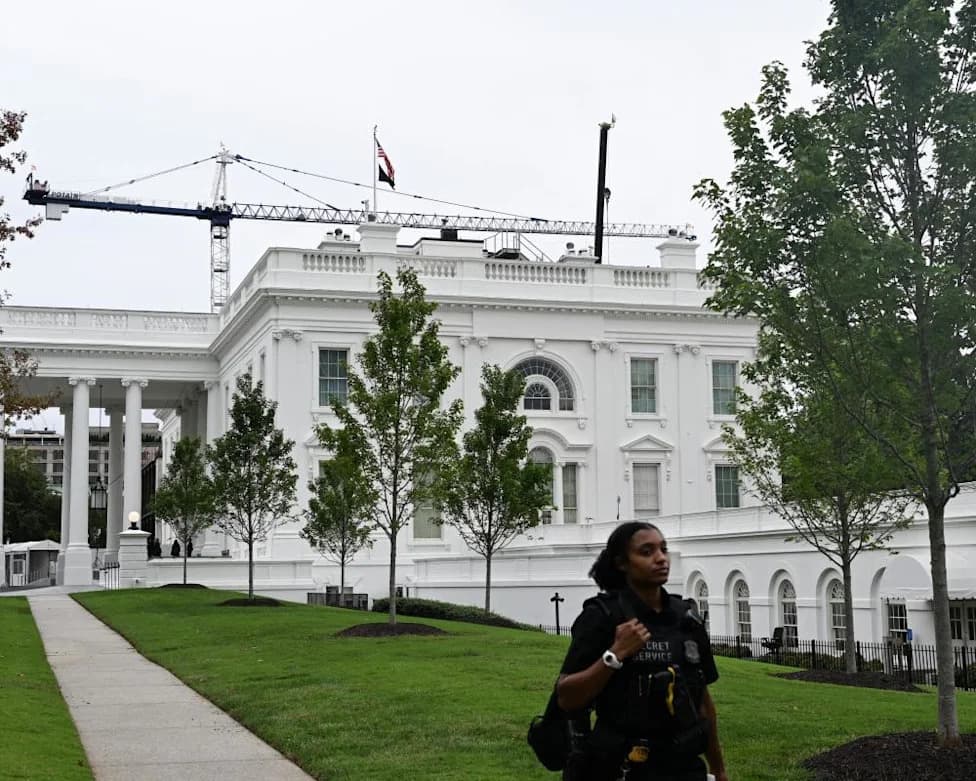
UFC Freedom 250 turned the White House South Lawn into a gladiatorial stage beneath a 600-ton structure called "the Claw," drawing about 4,300 live attendees (including ~1,200 servicemembers) while more than 80,000 held tickets to watch from the Ellipse. The $60 million event blended elite pageantry, corporate sponsorship and alleged commercialization — fighters were reportedly paid partially in cryptocurrency and commemorative coins bearing the president’s image were sold. The FBI later said it disrupted an alleged plot involving explosive-equipped drones, snipers and a planned breach of the White House; five people were arrested. Critics say the spectacle blurred the lines between state power, entertainment and the normalization of political violence.
When the White House Became a Coliseum: UFC Freedom 250 and the Politics of Spectacle
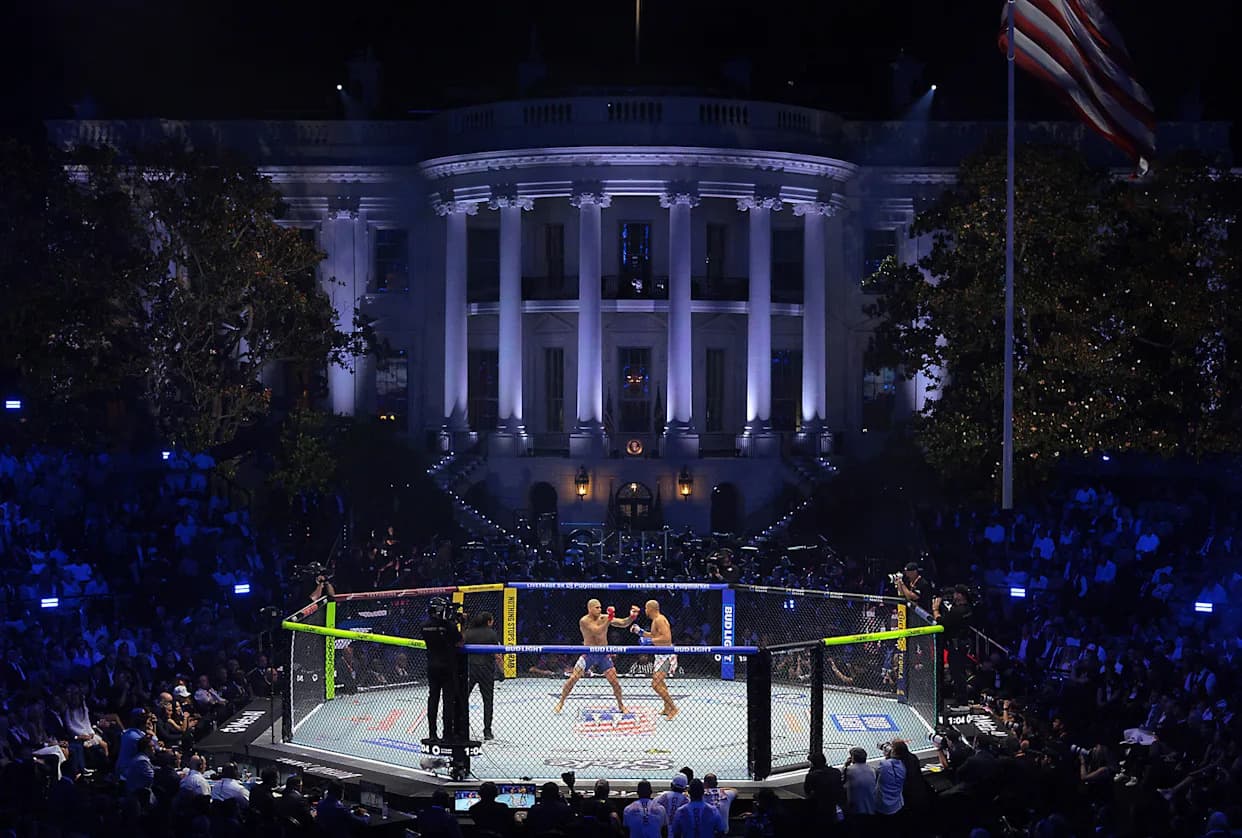
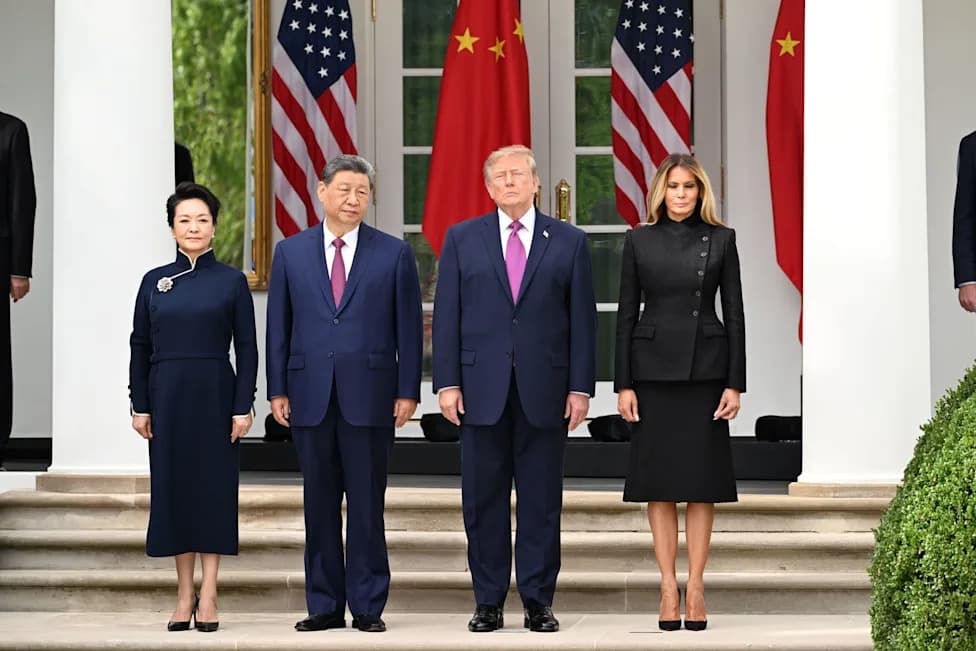
Nothing about the spectacle on the White House South Lawn felt normal. On Flag Day, the grounds were transformed into a gladiatorial stage beneath a 600-ton, 92-foot-tall steel canopy dubbed “the Claw,” so bright it reportedly distracted pilots landing at Reagan National. An estimated 4,300 people, including roughly 1,200 military servicemembers, watched mixed martial artists fight on a hot, humid night as part of America's 250th-anniversary events; more than 80,000 ticket holders watched from the Ellipse.
A Presidential Spectacle
The event, billed as UFC Freedom 250 and reported as a roughly $60 million gift tied to President Donald Trump, read like a consolidation of pageantry, commerce and state ritual. The president’s image — on buildings, proposed currency and special commemoratives — and the use of the White House as arena made the occasion feel less like a national celebration and more like a personal coronation of spectacle.
In the main event, Ilia Topuria and Justin Gaethje delivered one of the most electrifying fights in recent memory; it was stopped after the fourth round when Topuria could not continue, his face badly battered. British heavyweight Tyson "The Gypsy King" Fury made a surprise appearance wearing a black suit studded with faux gems and a red-and-white "Trump for Prime Minister" cap.
Violence, Showmanship, and Political Theater
UFC and mixed martial arts have evolved from niche tapes traded at local video stores into mass-market entertainment; yet the meaning of staging such real violence at the White House goes beyond sport. Where professional wrestling refines persona and performance, MMA and boxing provide real, visceral demonstrations of domination and physical risk. Critics argue that this kind of spectacle dovetails with the authoritarian appeal of a "strongman" politics: a preference for displays of strength, a de-emphasis of empathy, and the normalization of violence as political theater.
As historian Richard Slotkin has argued, American founding myths often dramatize "regeneration through violence," a theme that feeds modern cultural appetites for forceful spectacle.
Money, Influence, and Allegations of Corruption
The guest list and commercial ties highlighted the event’s fusion of power and profit. High-profile attendees included tech and media figures such as Mark Zuckerberg — whose company Meta has a partnership with the UFC — and David Ellison, whose company Paramount holds broadcast rights. Reporters documented commemorative coins bearing the president’s image for sale at prices ranging from $250 to $12,000. Fighters were reportedly paid in part with cryptocurrency linked to Trump’s World Liberty Financial entity, and corporations paid large sums (around $1 million apiece, by some accounts) to sponsor the event.
Security Threats and Political Stakes
Days after the fights, the FBI announced it had disrupted an alleged plot to target buildings near the event with explosive-equipped drones, followed by snipers firing into a panicked crowd and a second team attempting to breach the White House gates; five people were arrested and the investigation is ongoing. Authorities warned that such an attack, had it succeeded, could be used to justify extraordinary measures — for example, an invocation of the Insurrection Act or the declaration of a national emergency with consequences for civil liberties. The New York Times reported that the administration had considered measures such as suspending habeas corpus for undocumented immigrants to accelerate deportations.
Why This Matters
Staging a bloody sporting event inside the nation's executive residence fused state symbolism with theatrical aggression. Observers — historians, journalists and political commentators — see the episode as emblematic of a broader erosion of norms: public institutions and sacred civic symbols repurposed for spectacle, commercial gain, and political branding. Restoring the ordinary expectations of presidential conduct, many warn, may take years or even generations.
Whether one admired the athleticism on display or recoiled at the pageantry, UFC Freedom 250 at the White House raises urgent questions about how power, profit and performative violence are shaping American political life.
Help us improve.