South Korea will begin a phased reduction of the Civilian Control Line (CCL) in 2027, shrinking the average buffer from parts that once extended up to 6.2 miles to about 3.7 miles from the Military Demarcation Line. The move would open roughly 100 square miles to civilian use, with a further 168 square miles potentially freed by lifted protections—nearly 270 square miles in total. Officials cite improved surveillance, shifting security conditions and manpower constraints, and say the Defense Ministry will fund the changes while maintaining military readiness.
Seoul to Shrink Civilian Buffer Near DMZ, Opening Up Hundreds Of Square Miles For Development
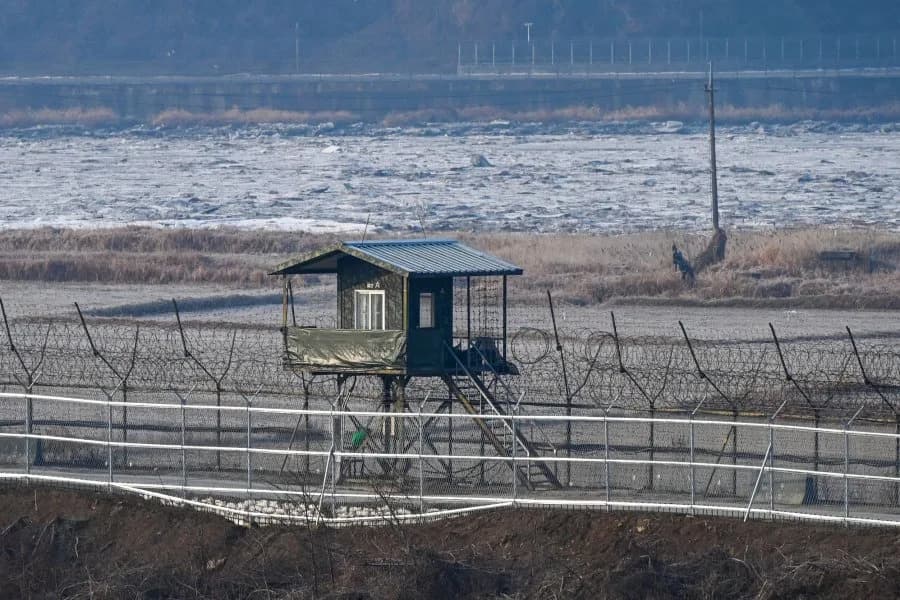
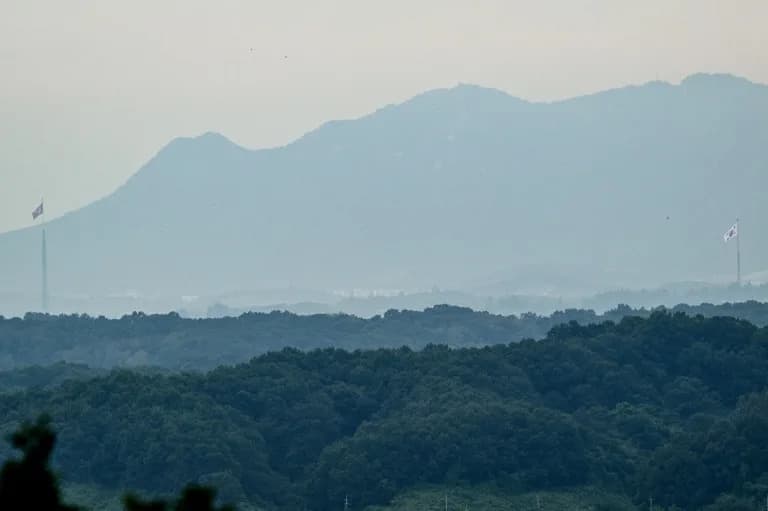
South Korea's Defense Ministry announced plans Wednesday to move the boundaries of the Civilian Control Line closer to the inter-Korean border. In this file photo, a South Korean military guard post is seen near the DMZ in Paju on February 12, 2021. File Photo by Thomas Maresca/UPI
South Korea's Defense Ministry announced on June 17 that it will begin a phased reduction of the Civilian Control Line (CCL) along the heavily fortified border with North Korea, easing long-standing restrictions on civilian access to frontier areas to promote local development.
What the Plan Entails
The ministry said the phased adjustment will begin in 2027 and gradually allow more civilian access to areas adjacent to the Demilitarized Zone (DMZ). Created after the 1950–53 Korean War, the CCL restricts civilian movement south of the Military Demarcation Line (MDL). In some locations the line currently extends as far as 6.2 miles south of the MDL.
"The military facility regulations of the past were appropriate for the environment of that time, but today's reality demands a new approach," Defense Minister Ahn Gyu-back said at a Seoul briefing.
Under the proposal, the CCL's average distance from the MDL would be reduced to about 3.7 miles, opening roughly 100 square miles to civilian use. The ministry also plans to lift military protection designations on additional tracts—potentially releasing another 168 square miles—bringing the total area with relaxed controls to nearly 270 square miles.
Security Measures and Implementation
Officials said the changes reflect evolving security dynamics, advances in surveillance technology and a shrinking pool of military manpower. To preserve operational effectiveness while expanding civilian access, the Defense Ministry plans to:
- Relocate and consolidate checkpoints
- Install security fencing, CCTV systems and other sensors
- Introduce a digital entry-management system for the control zone
- Remove obsolete military obstacles
- Simplify approval procedures for agricultural drone flights near the border
The ministry said it will fully fund the costs associated with adjusting the CCL and will coordinate implementation closely with local governments and residents in frontier communities.
Political Context
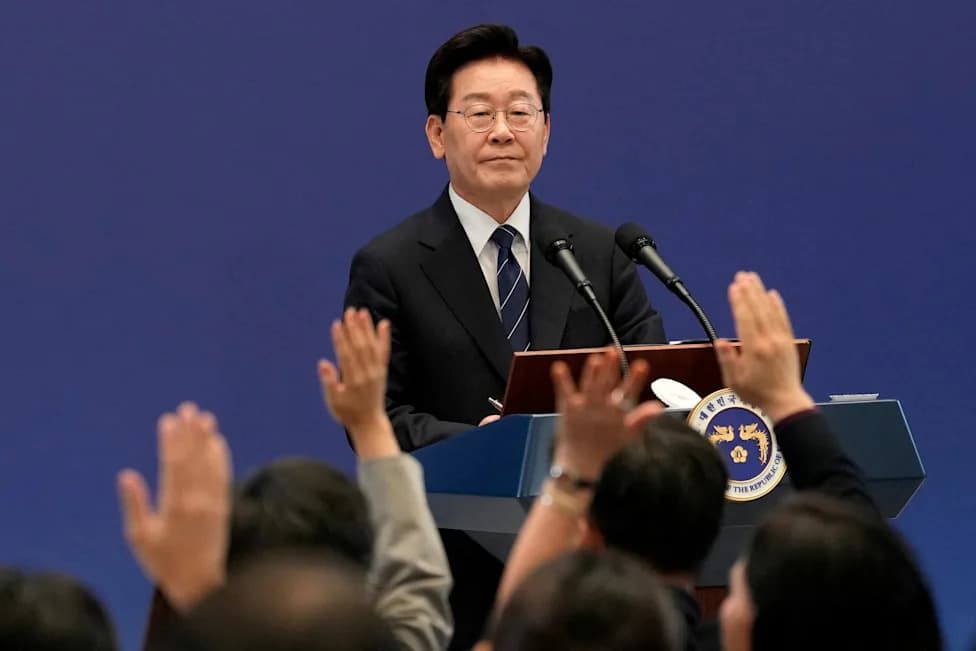
The announcement aligns with President Lee Jae-myung's broader effort to lower tensions along the border and improve inter-Korean relations. Since taking office, Lee has halted anti-Pyongyang loudspeaker broadcasts and tightened restrictions on sending propaganda leaflets across the border, arguing such activities risk provoking military confrontations and harming frontline residents.
Defense officials emphasized that the reforms are intended to strike a balance between preserving military readiness and easing burdens on residents, enabling development, agriculture and more flexible land use in long-restricted areas.
Help us improve.