Private Donnie MacRae, a Seaforth Highlanders soldier captured in France in 1940 who died in a POW hospital in 1941, has had his brain reburied with his remains in Germany after researchers identified his case in archives. About 160 small slices of his brain and spinal cord were kept at the Kaiser Wilhelm Institute (now the Max Planck Institute for Psychiatry). The JCCC helped trace his relatives, who attended a blessing ceremony. MacRae's case is one of roughly 2,000 specimens taken for wartime research, including tissue from Holocaust victims and other persecuted groups.
Scottish Soldier's Brain Reunited With His Remains 85 Years After WWII Death
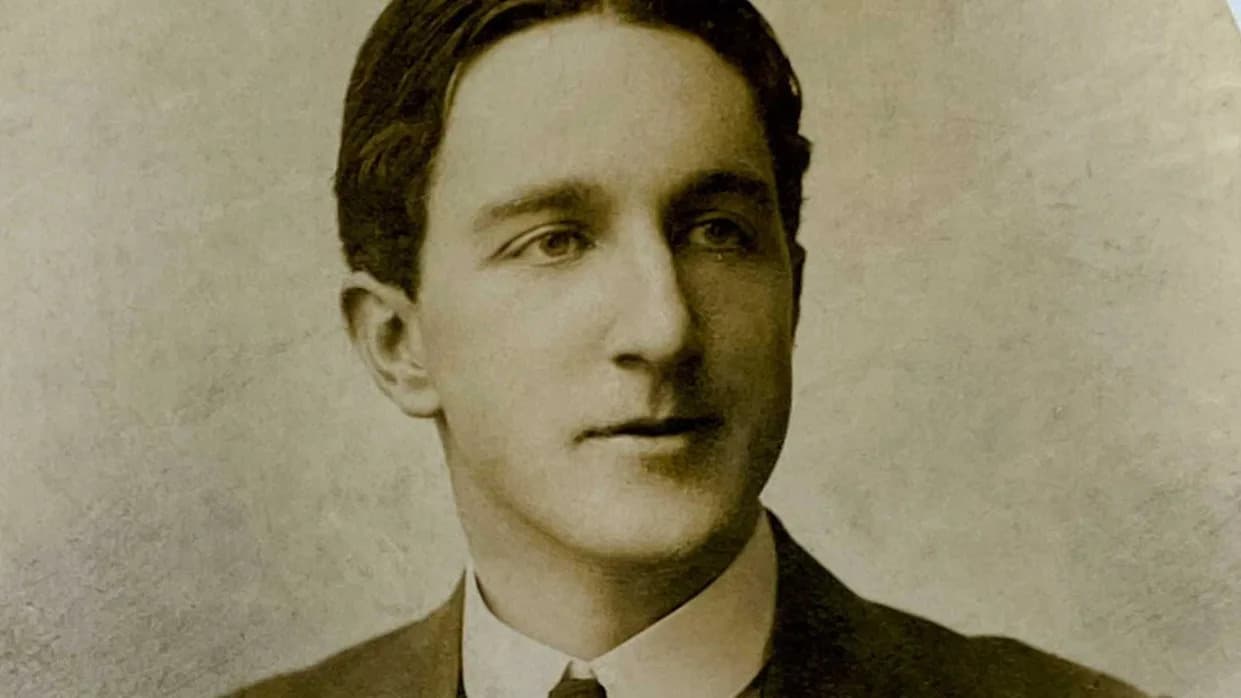
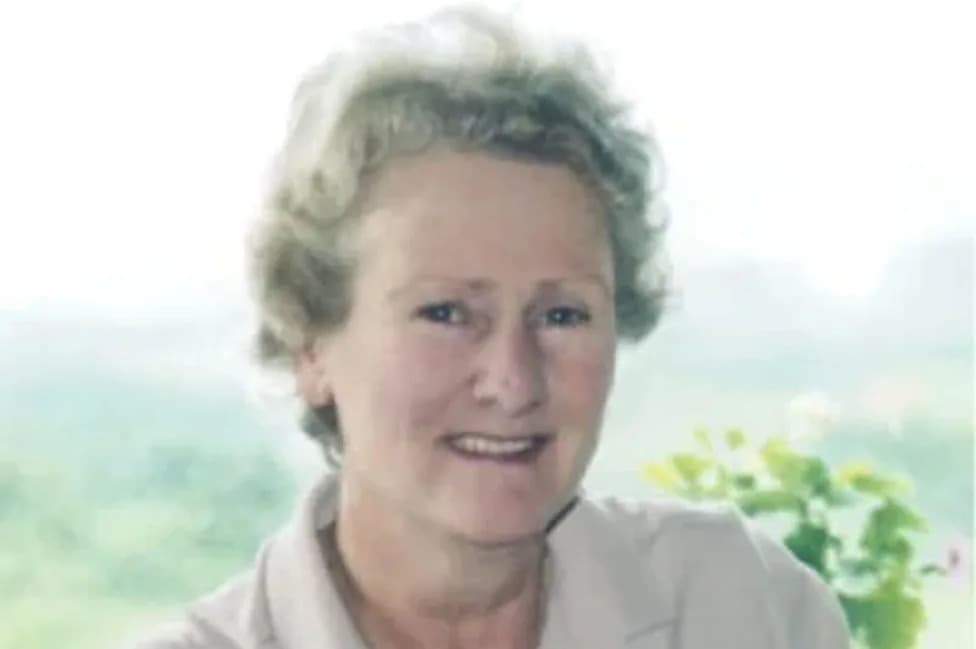
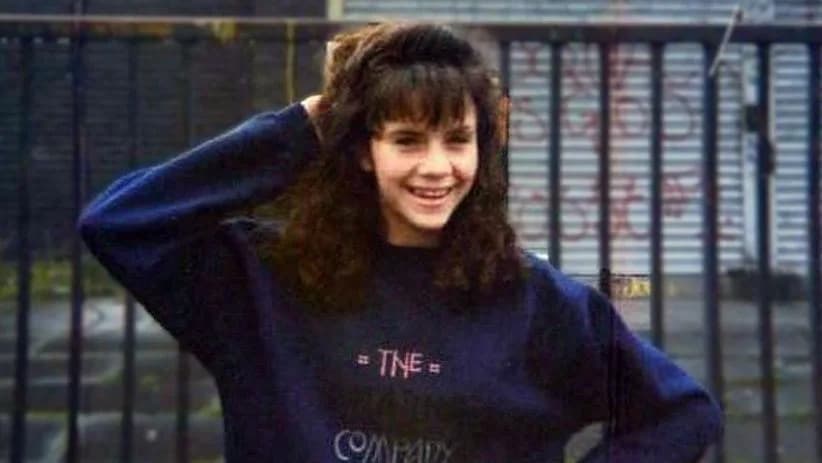
Donnie MacRae died in a prisoner of war hospital in Germany [Libby MacRae]
The brain of Private Donnie MacRae, a Scottish soldier who died as a prisoner of war in 1941, has been buried with his remains in Germany more than eight decades after his death. Researchers tracing wartime medical archives discovered that MacRae's brain and part of his spinal cord had been removed for research and stored in Munich.
Discovery and Identification
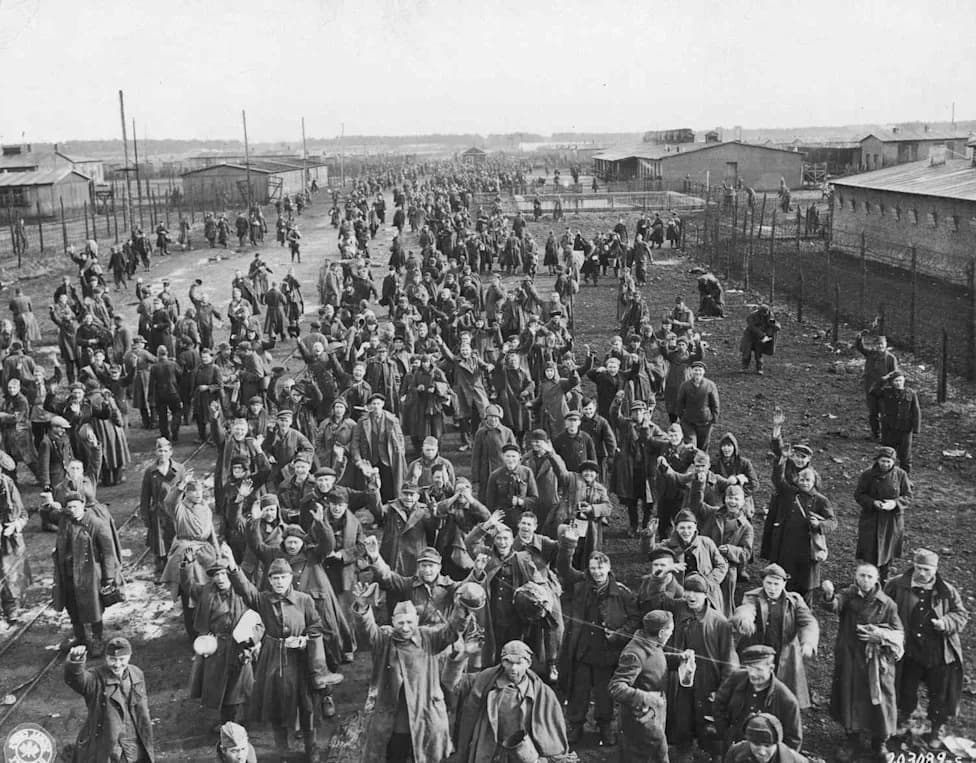
MacRae, from Gairloch in Wester Ross, served with the Seaforth Highlanders and was captured during fighting in France in June 1940. He died in a prisoner-of-war hospital in 1941 at the age of 33. During a post-mortem examination, doctors removed his brain and a portion of his spinal cord and sent the tissue to the Kaiser Wilhelm Institute for Psychiatry in Munich (the institute was later renamed the Max Planck Institute for Psychiatry).
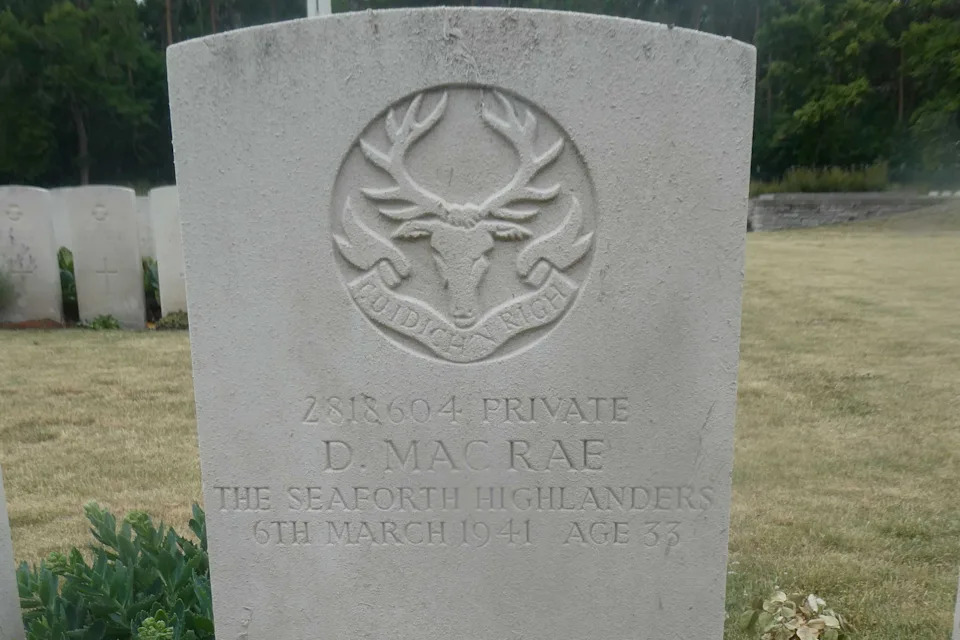
A blessing ceremony will take place at the grave of Donnie MacRae in Berlin after more of his remains were identified and interred [Paul Weindling]
Research, Reclaiming and Commemoration
An international team cataloguing thousands of brains used in wartime research identified MacRae among roughly 2,000 specimens taken by leading German research centres in Berlin and Munich. About 160 small slices of MacRae's brain and spinal cord remained in the institute's archives. The UK Ministry of Defence's Joint Casualty and Compassionate Centre (JCCC) helped locate his relatives, some of whom travelled to Germany to take part in a blessing ceremony.
"It gives them closure and gives them the chance to show how grateful they are because they are there because their relative fought and died for them," said JCCC caseworker Nicola Nash.
Context and Historical Significance
The removal of brains and other remains during the war included tissue from a wide range of victims: children murdered in the Holocaust, Polish Jews and Catholics, people with mental illness, political prisoners, resistance fighters and foreign soldiers. These collections were part of a broader German effort at the time to advance medical research, but they also raise painful ethical and historical questions about consent and the treatment of the dead.
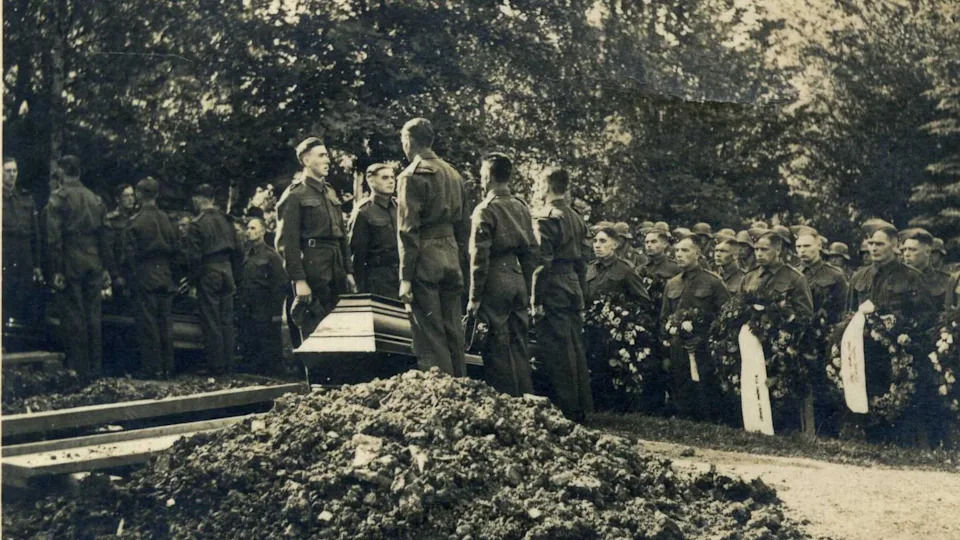
Donnie MacRae died as a prisoner of war and his body was later moved to a Commonwealth war graves cemetery in Berlin [Libby MacRae]
MacRae's body had initially been buried by German forces and later reinterred by Allied authorities in the Commonwealth War Graves Commission cemetery in Berlin. His family were not aware that his brain had been removed until the recent archival research brought the case to light and allowed a measure of reconciliation and remembrance.
Legacy
The identification and reburial of MacRae's remains highlights ongoing efforts to document wartime abuses in medical research, to identify those affected, and to offer families the opportunity to mourn and commemorate lost relatives properly.
Help us improve.