German prosecutors are investigating a 105-year-old man suspected of serving as a guard at Stalag 326 VI K and being an accessory to multiple murders there. The Senne camp in North Rhine-Westphalia registered roughly 180,000–200,000 Soviet prisoners; thousands died from malnutrition, disease and forced labour. The probe, reported by outlets including the BBC and The Guardian, highlights continued efforts to hold alleged Nazi-era perpetrators accountable.
105-Year-Old Suspect Investigated Over Alleged Role in Mass Deaths at Nazi POW Camp
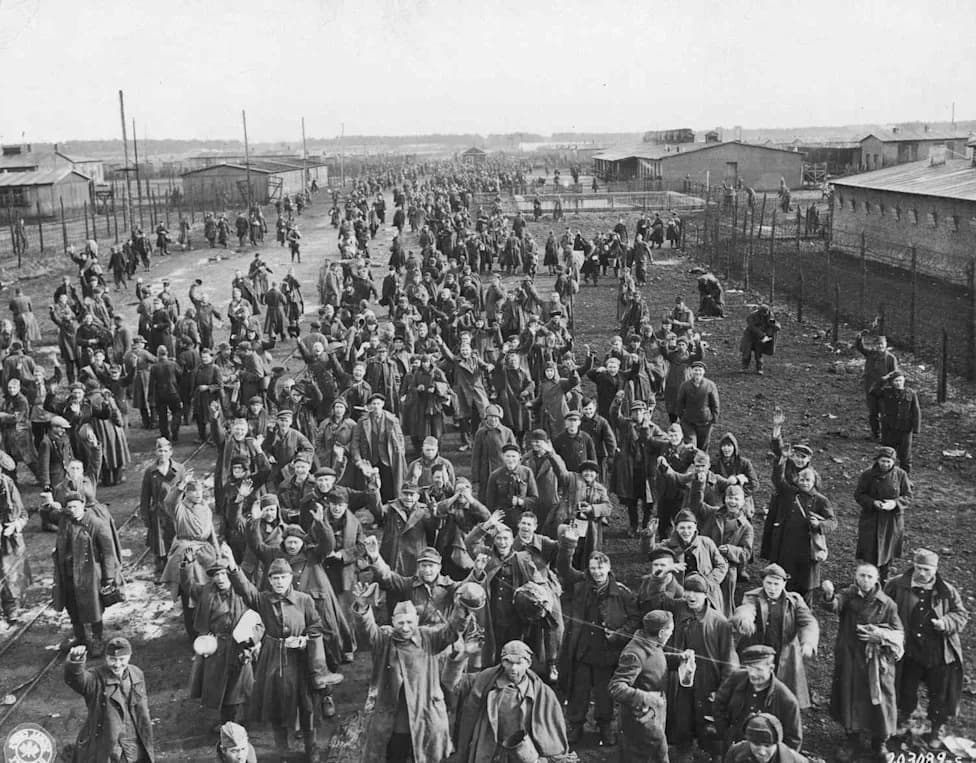
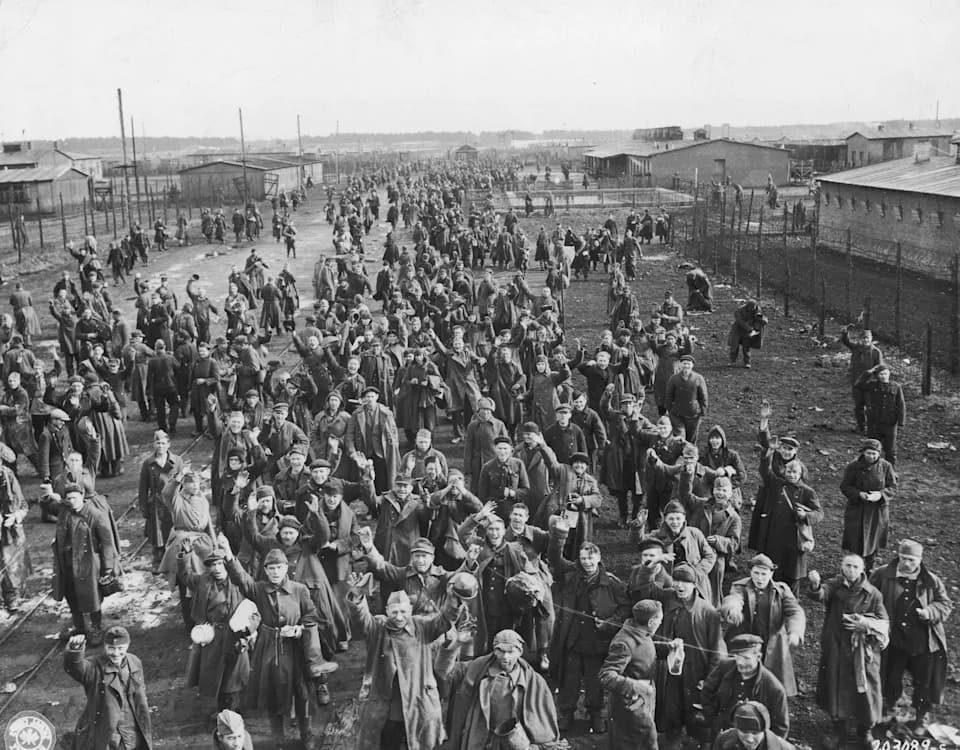
Soviet prisoners of warCredit: FPG/Getty
German prosecutors are investigating a 105-year-old man on suspicion of having served as a guard and being an accessory to multiple murders at a Nazi prisoner-of-war camp during World War II.
Authorities say the suspect is believed to have been stationed at Stalag 326 VI K in the Senne region of what is now North Rhine-Westphalia. The probe, led by Dortmund prosecutors, was reported by major outlets including the BBC, The Guardian and public broadcaster WDR.
Allegations and Legal Inquiry
According to a statement cited by prosecutors, the man is "accused of being an accessory to multiple murders owing to his activities there." The investigation is focused on establishing the individual’s role and responsibilities at the camp. No trial date has been announced and the inquiry remains ongoing.
Historical Context
Historical records show that more than 5.3 million Soviet soldiers were taken prisoner by Germany during World War II, and roughly half are believed to have died in captivity. The Senne camp registered between 180,000 and 200,000 prisoners during its operation.
The memorial for the site documents that prisoners at Stalag 326 VI K suffered from "malnutrition, inadequate medical treatment, appalling hygienic conditions and exploitation by forced labour." Thousands who died at the camp are buried in the area.
Why the Case Matters
The investigation underscores Germany’s long-running efforts to pursue alleged perpetrators of Nazi-era crimes, even many decades after the events. Prosecutors say they are pursuing accountability where possible, while balancing legal and practical questions that arise in very old cases.
Reporting note: Coverage of the investigation has cited statements from Dortmund prosecutors and reporting by the BBC, The Guardian and WDR, and details about the camp are drawn from the Stalag 326 VI K memorial and historical records.
Help us improve.