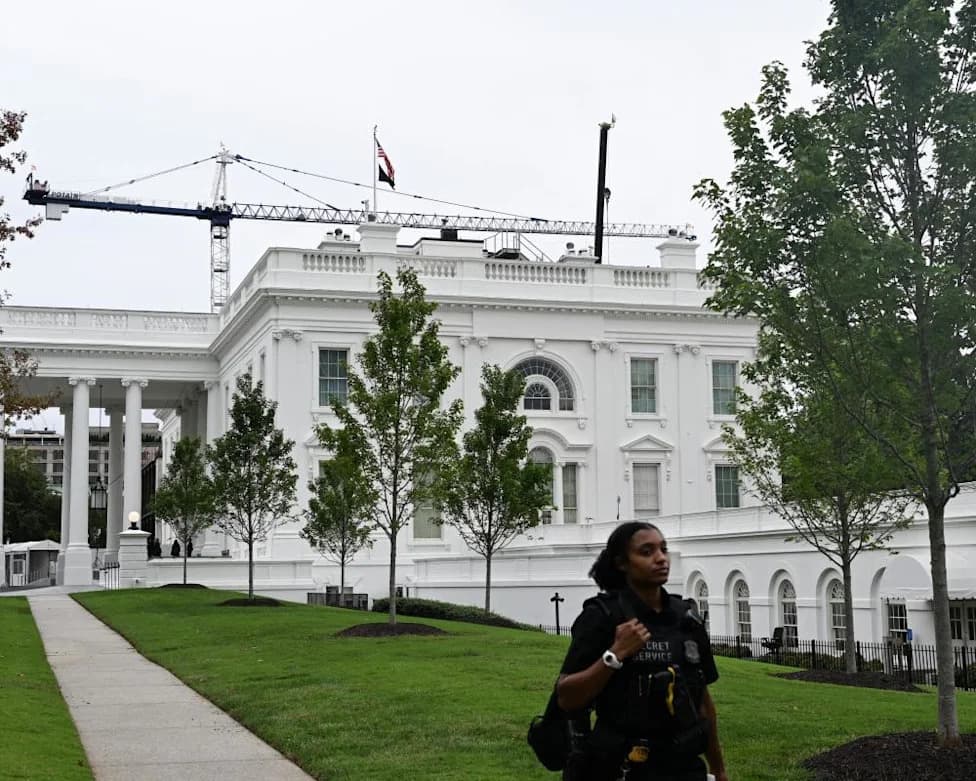
Equatorial Guinea's entire cabinet resigned after admitting it met only about 10% of its targets, Vice‑President Teodoro Nguema Obiang Mangue said. The ruling PDGE accused the outgoing government of tolerating corruption, misusing state resources and failing to diversify the economy, particularly in agriculture. Despite significant oil revenues, the country faces declining production, reduced global demand and persistent poverty among its roughly 1.8 million people. A new cabinet is expected to be named soon.
Equatorial Guinea Cabinet Resigns After Meeting Only 10% Of Targets; President Cites Corruption And Failure To Diversify
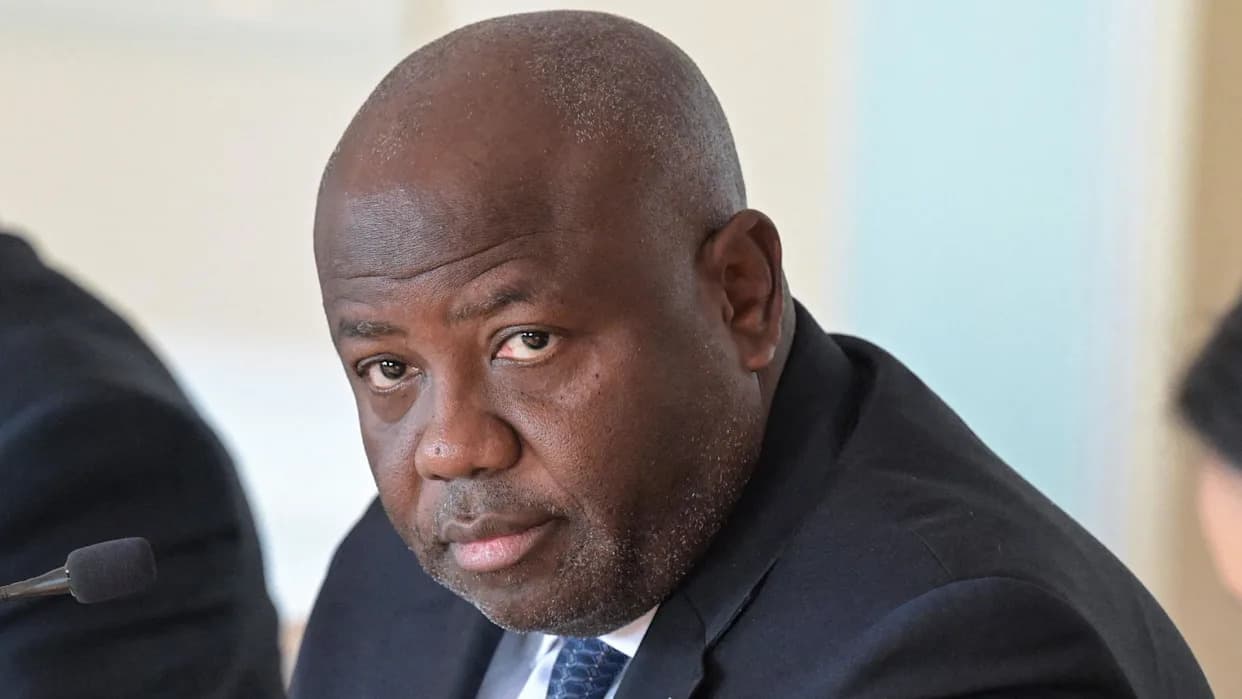
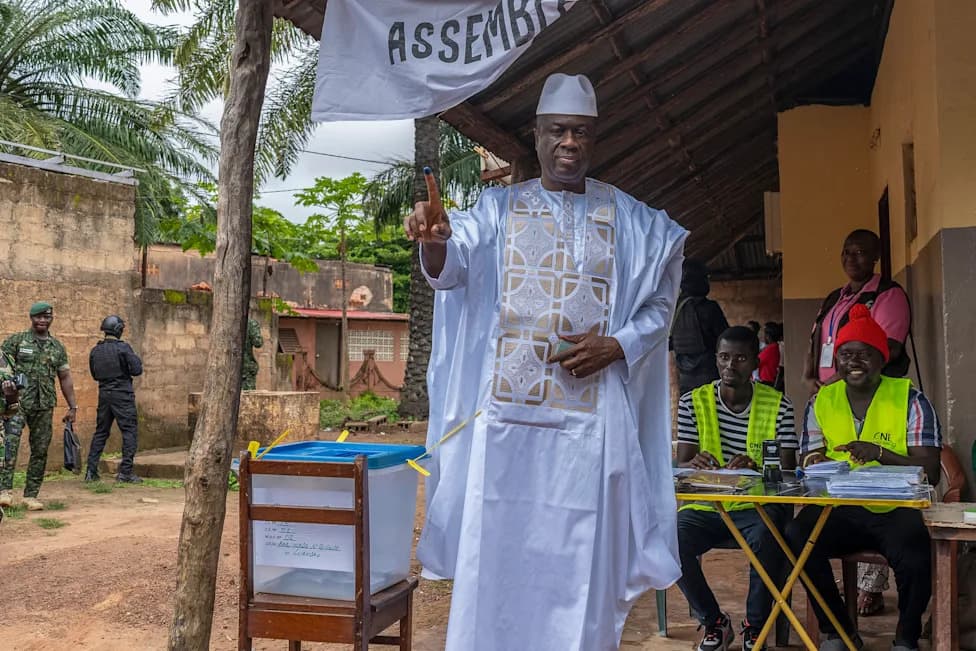
Prime Minister Manuel Osa Nsue Nsua was appointed in 2024 [AFP via Getty Images]
Equatorial Guinea's cabinet has stepped down after the administration acknowledged it achieved barely 10% of its stated objectives, Vice‑President Teodoro Nguema Obiang Mangue announced.
Obiang, who is also the son of President Teodoro Obiang Nguema Mbasogo, said the prime minister submitted the resignations of all ministers because the government's execution of its program was "clearly insufficient in relation to the expectations and commitments undertaken." The vice‑president posted the comment on X.
In a statement published on Facebook, the ruling Democratic Party of Equatorial Guinea (PDGE) said President Obiang — the world's longest‑serving head of state, in power since 1979 — was dissatisfied with the outgoing cabinet's management. The party accused officials of tolerating corruption, diverting state resources for personal gain and allowing development projects to stall.

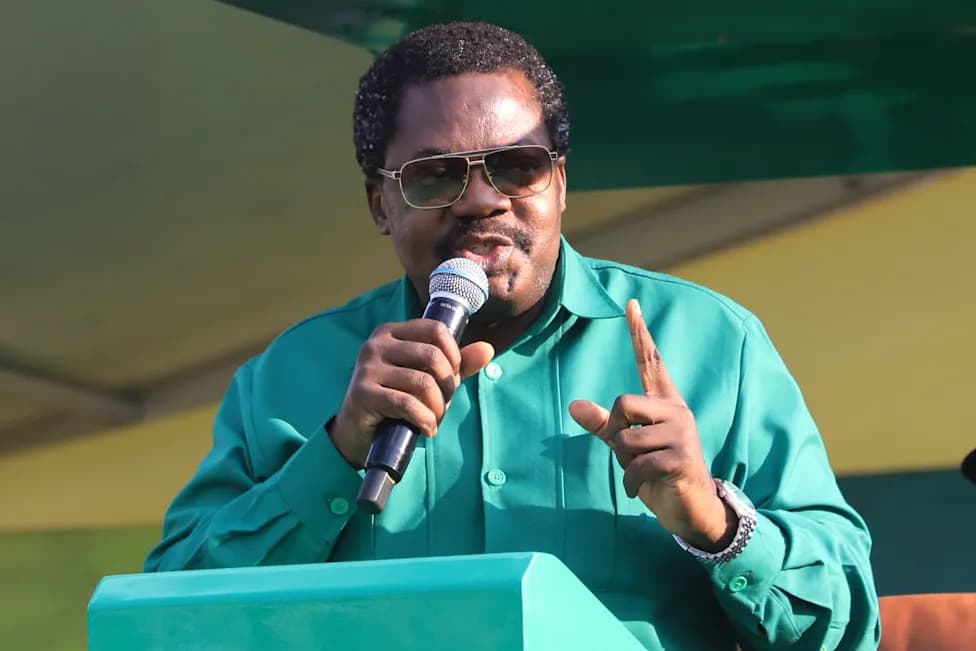
[Getty Images/BBC]
The PDGE statement also criticized the government's failure to diversify the economy, particularly in agriculture. Leaders warned that missed opportunities to expand local food production have increased dependence on imports despite the country's oil wealth.
Equatorial Guinea's economy remains heavily dependent on oil and gas, which account for most exports and government revenue. In recent years the country has seen declining oil production and weaker global demand, contributing to an economic slowdown. Despite substantial oil income, many of the nation's roughly 1.8 million people continue to live in poverty.
The outgoing government, appointed in 2024 with Manuel Osa Nsue Nsua as prime minister, will be replaced after the president forms a new cabinet. The PDGE said a reshuffle is expected soon as part of efforts to improve public management and deliver results.
Vice‑President (on X): "The degree of execution achieved is clearly insufficient in relation to the expectations and commitments undertaken."
Reporting note: Statements were issued by the vice‑president on X and by the PDGE on Facebook. Further details about the specific targets and planned cabinet appointments have not yet been released.
Help us improve.