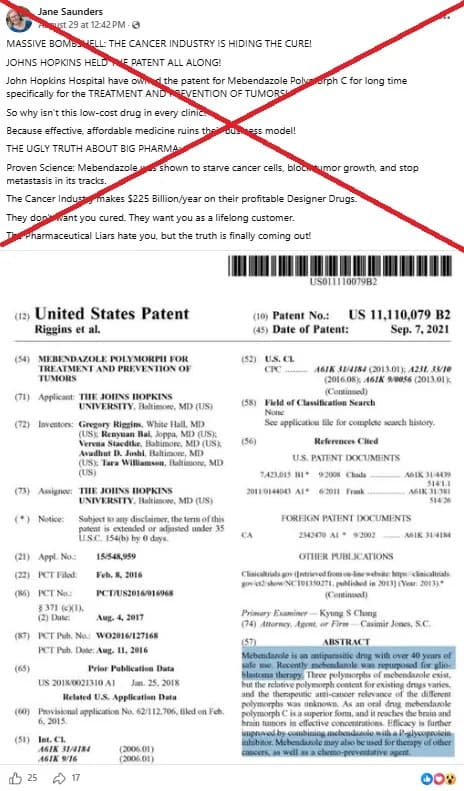
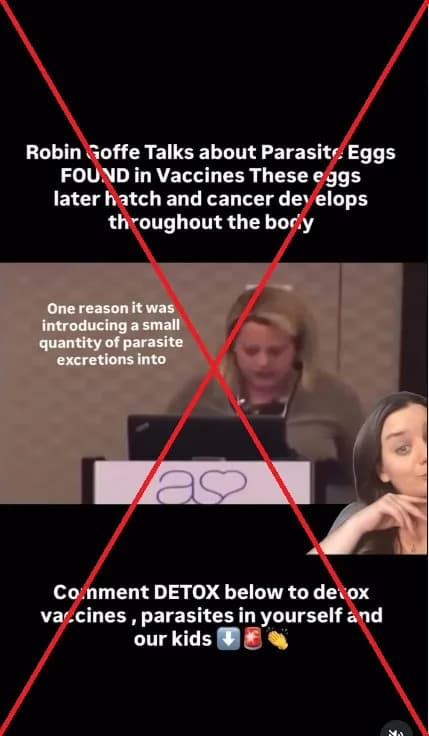
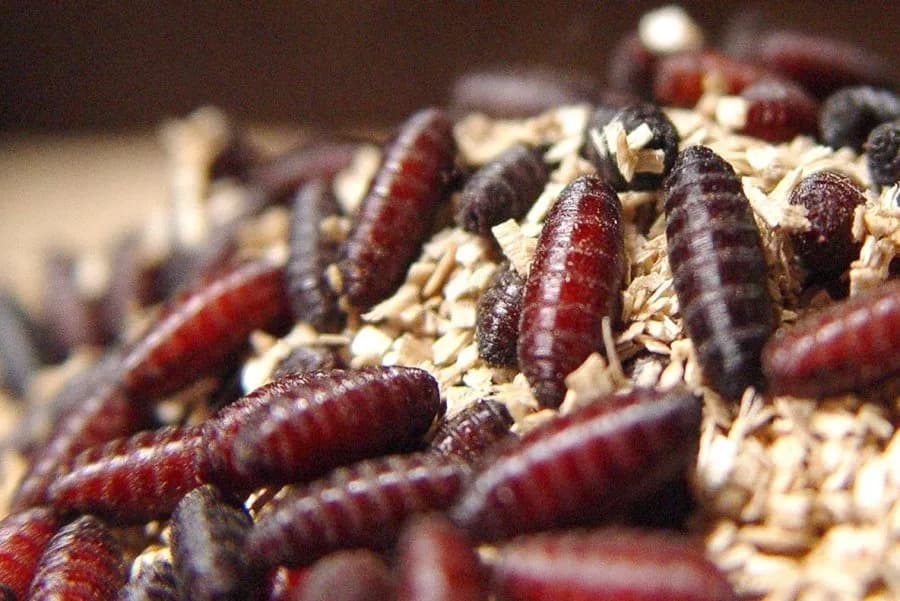
Ivermectin — an antiparasitic drug not approved for cancer — saw prescriptions more than double among people with cancer in early 2025 after a podcast endorsement, a JAMA study found. Medical experts emphasize there is no confirmatory clinical-trial evidence supporting ivermectin for cancer and caution that unsupervised dosing can cause serious harm. Calls to America's Poison Centers about ivermectin also rose between 2024 and 2025. Patients are urged to consult oncologists and rely on evidence-based treatments.
Ivermectin Use Rises Among Some Cancer Patients After Podcast Endorsement, Despite No Proven Benefit
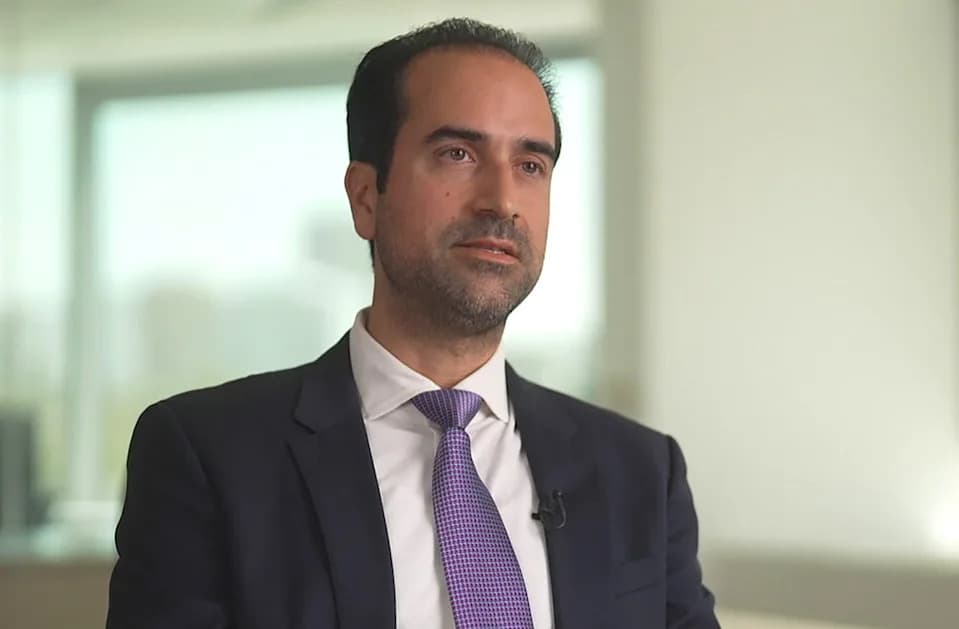
ABC News - PHOTO: Dr John Mafi, an associate professor of medicine at the David Geffen School of Medicine at UCLA.
Ivermectin — an antiparasitic drug that drew attention during the COVID-19 pandemic for unproven uses — has seen renewed uptake among a subset of cancer patients after a widely heard podcast endorsement. A study published in JAMA found prescriptions for ivermectin among people with cancer more than doubled in the first half of 2025.
Podcast Influence And The JAMA Finding
The increase followed the airing of an episode of the "Joe Rogan Experience" in which Mel Gibson described friends who he said recovered from advanced cancer. The anecdote and the wider discussion appear to have prompted renewed interest and prescriptions among some patients, according to researchers who analyzed prescription data.
What The Medical Community Says
Ivermectin is FDA-approved for treating certain parasitic infections in humans and is widely used in veterinary medicine. Its developers received a Nobel Prize for the drug's antiparasitic impact — not for cancer treatment.
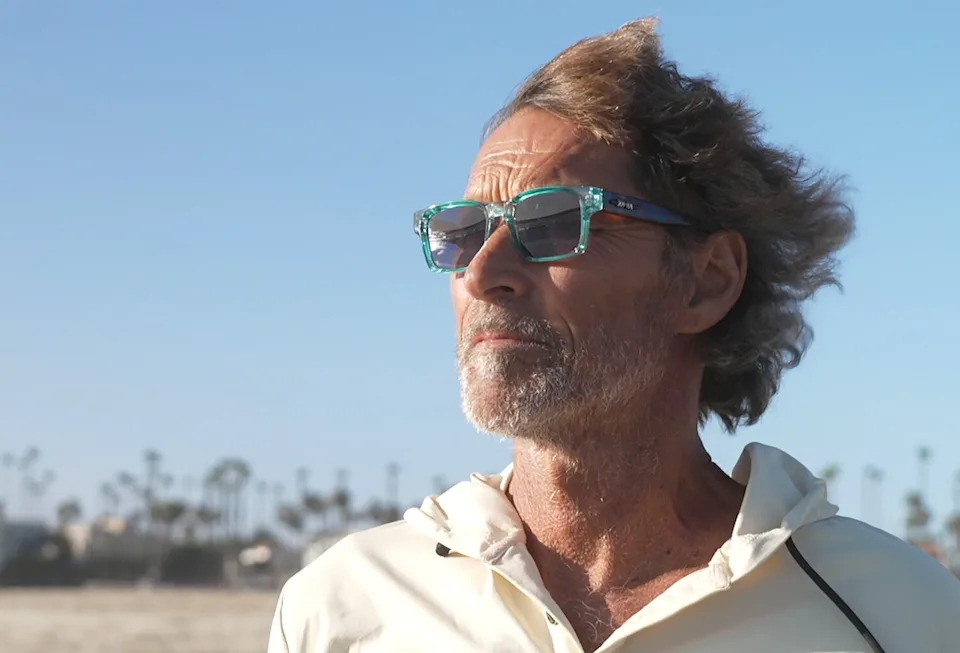
ABC News - PHOTO: Ron Duguay, 68, played more than a decade in the NHL and says he is taking ivermectin alongside his prescribed treatment for stage 4 colon cancer.
"It has not been proven in any kind of confirmatory clinical trial, which is the gold standard of evidence we need to know whether treatment works," said Dr. John Mafi, an associate professor of medicine at the David Geffen School of Medicine at UCLA.
Regulatory authorities, including the FDA, have not authorized or approved ivermectin to treat COVID-19 or cancer. Physicians warn that social-media promotion and high-profile endorsements do not substitute for rigorous clinical evidence.
Risks, Overdoses And Poison-Center Reports
Ivermectin dosing for approved human uses is weight-based. Taking it unsupervised, obtaining veterinary formulations, or using very high doses can be dangerous. Experts warn that very high doses may cause seizures, coma and — in rare cases — death.
Data shared with ABC News by America's Poison Centers show that calls about ivermectin roughly doubled between 2024 and 2025; the dataset did not indicate callers' reasons or the conditions treated.

Bruce Bennett/Getty Images - PHOTO: Ron Duguay of the New York Rangers on the ice during a game against the New York Islanders, May 1981.
Patient Stories And Ethical Concerns
Some patients facing advanced or terminal diagnoses have turned to ivermectin in search of hope. Former NHL forward Ron Duguay, diagnosed with stage 4 colon cancer in 2024, told ABC News he has used ivermectin alongside conventional therapies. He said he paused ivermectin while enrolled in a clinical trial and plans to resume it when the trial ends.
"In certain circumstances, I will fight until I drop," Duguay said. "As an athlete, I'm going for it. I will take a chance."
Clinicians express concern that patients who pursue unproven treatments may delay or forgo evidence-based therapies known to improve or extend life.
Guidance For Patients
Medical professionals advise patients to discuss any off-label or alternative treatments with their oncologist, seek information about legitimate clinical trials, and avoid unsupervised self-medication, especially with veterinary formulations. Decisions about cancer care are best made with qualified clinicians and evidence-based guidance rather than anecdote or social-media endorsements.
Note: ABC News reported the story and aired a related segment on ABC News Live PRIME and Nightline.
Help us improve.