Rep. Ro Khanna (D-Calif.) urged Democrats to support reports of a ceasefire with Iran that would reopen the Strait of Hormuz, saying it could lower energy costs and reduce the risk of further military escalation. Khanna praised sovereignty provisions, criticized past U.S. interventions, and cited the human and financial toll of prior conflicts, including the loss of 14 service members. President Trump said the deal was complete, and world leaders offered cautious welcome while noting key details remain to be finalized.
Ro Khanna Urges Democrats to Back Reported Iran Ceasefire; Reopening of Strait of Hormuz Could Ease Energy Prices
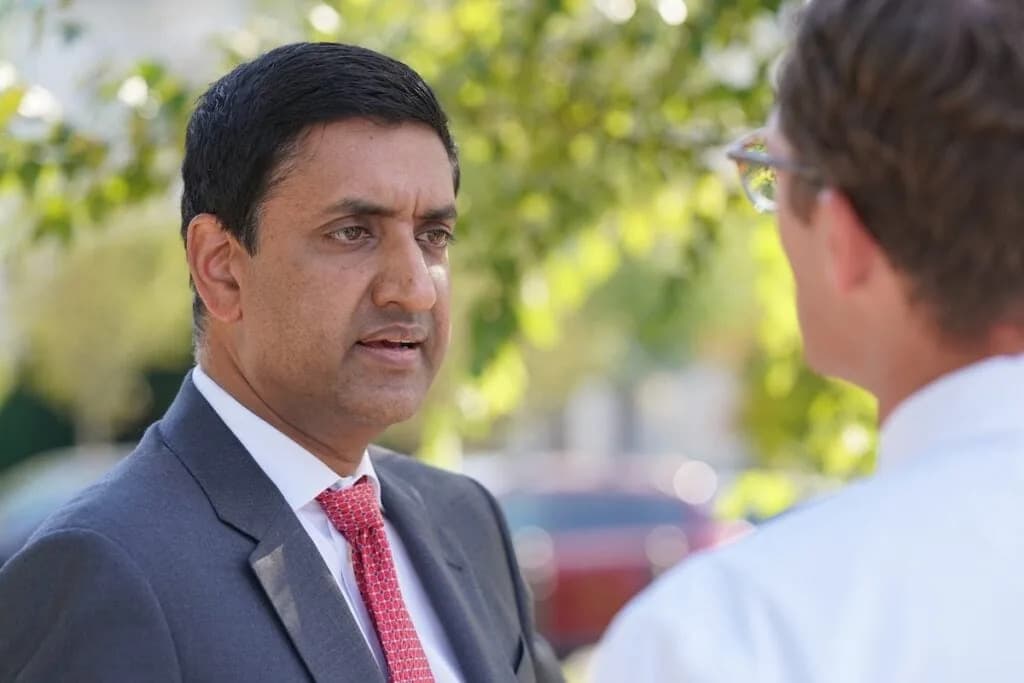
Ro Khanna Backs Trump's Iran Ceasefire Deal: 'Democrats Should Support It'
Rep. Ro Khanna (D-Calif.) on Sunday welcomed reports of a ceasefire with Iran and the reopening of the Strait of Hormuz, saying the development could reduce energy costs and help avert further military escalation.
Posting on X on June 15, 2026, Khanna praised the reported arrangement and urged bipartisan backing, arguing it could stabilize global energy markets and lower the risk of renewed conflict.
"The ceasefire agreement with Iran with the opening of the Strait of Hormuz is welcome news. Democrats should support it."
Khanna said the deal includes a pledge to respect sovereignty and would help avoid "a dumb war of choice again." He criticized past U.S. military interventions in the region, calling them costly lessons and saying earlier attempts at regime change had failed.
Comparing the reported terms to earlier diplomacy, Khanna suggested the agreement appears "no better than what Obama secured under the JCPOA nearly a decade ago." He also highlighted human and financial costs, noting that the U.S. "lost 14 precious service members and wasted billions of dollars."
On the economic front, Khanna argued that reopening the Strait of Hormuz — a vital global oil shipping route — could relieve supply constraints and help bring down gasoline and food prices for American consumers.
President Donald Trump said a deal with the Islamic Republic of Iran was complete and indicated the Strait of Hormuz, which had been effectively closed for months during the conflict, would reopen. The announcement followed reports of a draft agreement that would de-escalate hostilities and reopen key shipping lanes.
World leaders offered cautious welcome to the draft agreement as a potential step toward regional stability and energy security while urging that key details still be finalized. U.K. Prime Minister Keir Starmer called it a "hugely important step forward in ending the war," stressing the Strait must remain fully open. Japanese Prime Minister Sanae Takaichi described it as a "major step toward resolution." Australian Prime Minister Anthony Albanese said the deal could help secure "durable and lasting peace" and ease pressure on global energy prices, and French President Emmanuel Macron said it could open the door to broader negotiations on Middle East peace and security.
Observers cautioned that the situation remains fluid: negotiators must finalize verification, timelines, and enforcement mechanisms before the agreement can deliver durable security and market stability. If implemented, the ceasefire and reopening of shipping lanes would have immediate implications for diplomacy and global energy markets.
Help us improve.