Havana’s colonial housing stock is collapsing under decades of neglect, overcrowding and recent economic strain linked to a fuel blockade. Tens of thousands live in subdivided townhouses; many have been evacuated into hostels or improvised shelters such as a boxing gym. Between 2000 and 2013, 3,856 buildings collapsed, and by 2020 roughly 37% of residential structures were judged unsafe. Residents say there is little money for repairs and limited government presence in affected neighbourhoods.
Havana's Historic Homes Crumble: Families Trapped as Housing Crisis Deepens
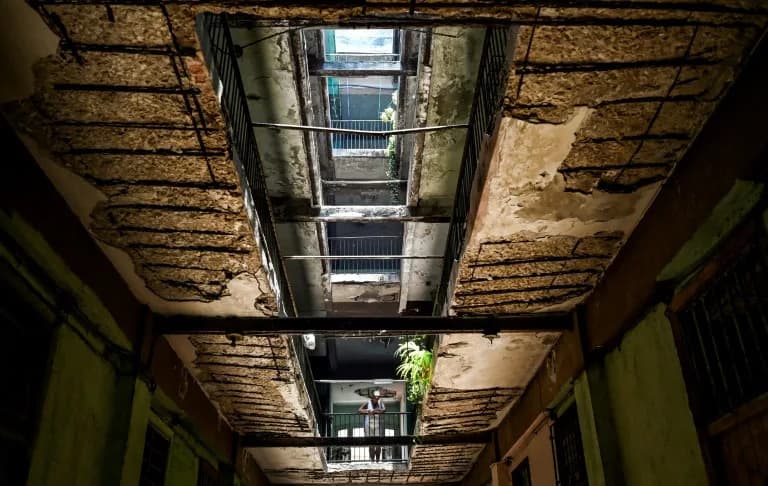
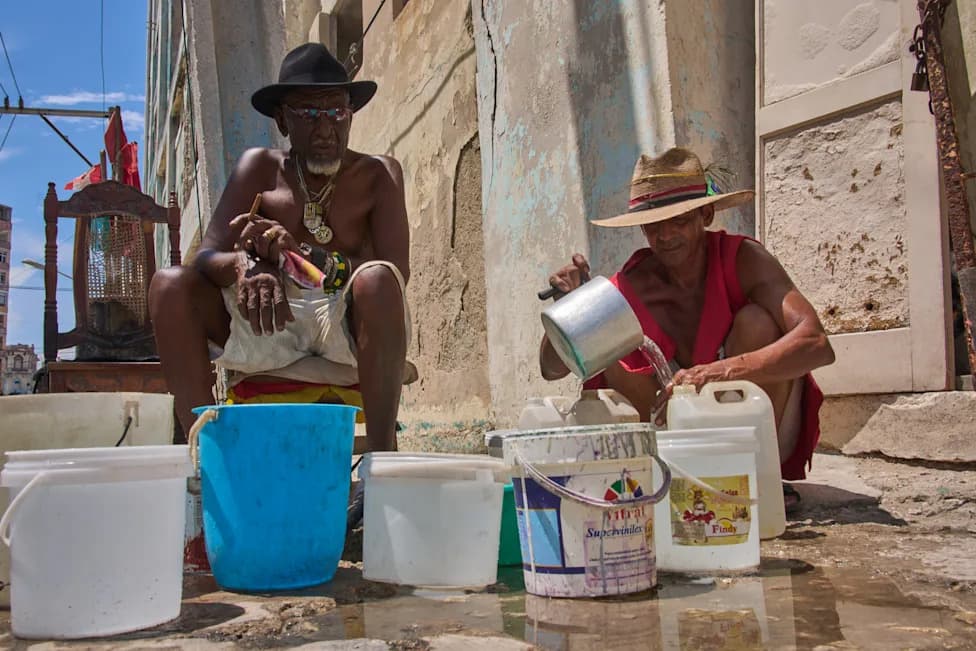
Official figures show that about 37 percent of 3.9 residential buildings in Cuba were considered to be in an undesirable state by the end of 2020 (YAMIL LAGE)(YAMIL LAGE/AFP/AFP)
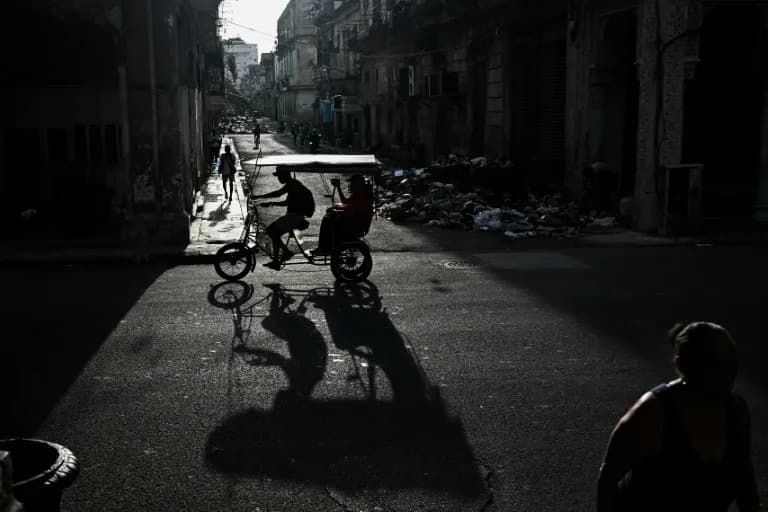
Walking the pavements of Havana’s old town has become hazardous: ornate stone balconies, crumbling cornices and unstable staircases of colonial townhouses can fall without warning. Tens of thousands of residents live in buildings subdivided after the 1959 revolution that are now literally coming apart.
The Human Cost
In densely populated Centro Habana, a recent storm tore away the stone staircase of a neo‑classical pink tenement from the 1920s, leaving Marnie Estevez, her husband, two daughters, her mother and her 97‑year‑old grandmother stranded on an upper floor until firefighters rescued the elderly woman by crane. Estevez and her immediate family have since moved into a tiny two‑room apartment on the first floor; her mother and grandmother have been in a hostel for seven years.
Nearby in Habana Vieja, nine families who fled a collapsed building three years ago still live inside a boxing gym, each household separated by cardboard walls and sheets strung on wires and sticks. There is no running water, electrical cables snake across the floor, and stifling heat beneath the zinc roof exacerbates health risks — one child has developed a lung infection after long exposure to damp.
Scale Of The Problem
Havana’s decay is visible across the city. Habana Vieja, a UNESCO World Heritage Site, contains roughly 900 listed buildings dating back centuries, yet many facades are hollowed and propped up like stage sets. Between 2000 and 2013, the Office of the City Historian recorded 3,856 building collapses — nearly one a day — and by 2020 roughly 37% of the nation’s residential buildings were classified unsafe. Officials say the country faces a housing deficit of more than 900,000 units.
Why Repairs Are Not Happening
Residents and local observers point to decades of deferred maintenance, chronic overcrowding and severe economic strain. The situation has been aggravated by recent shortages tied to a US‑imposed fuel blockade, which officials and residents say has limited both material supplies and funding for repairs. Some properties were renovated during a tourism push in the 1990s and following high‑profile visits such as former US President Barack Obama’s 2016 trip, but those efforts were uneven and limited in scope.
"There is no money here to fix anything," says 64‑year‑old Leodiska Canino, summarizing a sentiment echoed by many neighbors. "Nobody from the government comes here... not even to see how we are, if we're alive or dead."
Outlook
With an acute national housing shortfall and aging infrastructure, experts and residents warn there are no quick fixes. Long‑term solutions will require sustained investment, better maintenance programs and targeted emergency assistance for those living in the most dangerous buildings. For now, families remain in improvised shelters while a treasured historic fabric slowly erodes.
Help us improve.