Preservation and cultural groups sued on June 15 to block the National Garden of American Heroes, contending the plan to place about 250 statues at West Potomac Park on the National Mall violates the Commemorative Works Act and the National Historic Preservation Act and lacks congressional authorization. Congress allocated $40 million to the NEH for statue procurement, with grants capped at $200,000 per life‑size statue. The case could determine how far a president can reshape federally protected public spaces without Congress.
Preservation Groups Sue to Block Trump’s National Garden of American Heroes on the Mall
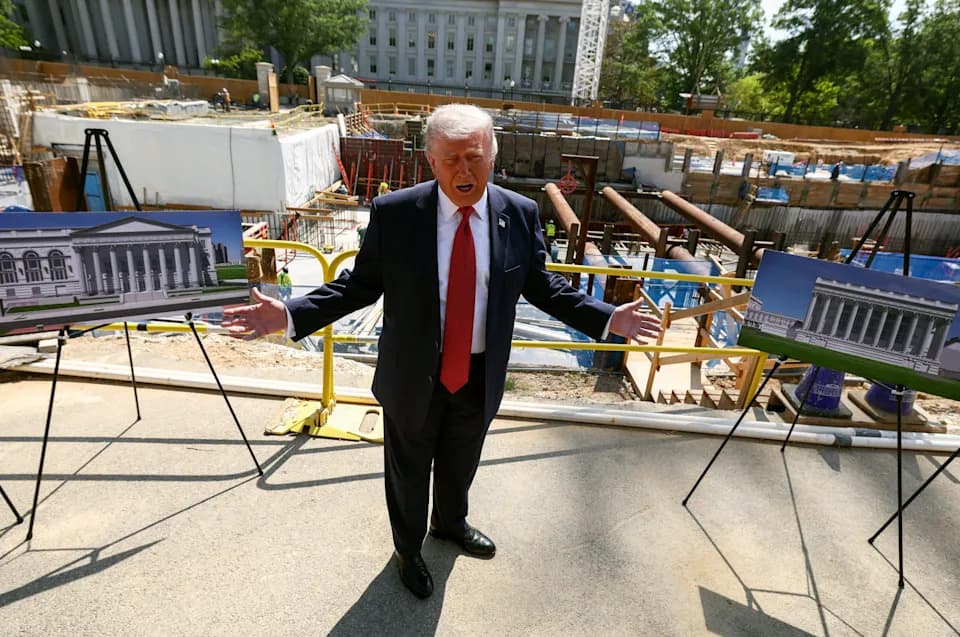
President Donald Trump speaks at the site of ongoing construction of the planned White House ballroom in Washington, D.C., U.S., May 19, 2026.
WASHINGTON — President Donald Trump is facing a new legal challenge over his plan to install a statuary garden on the National Mall.
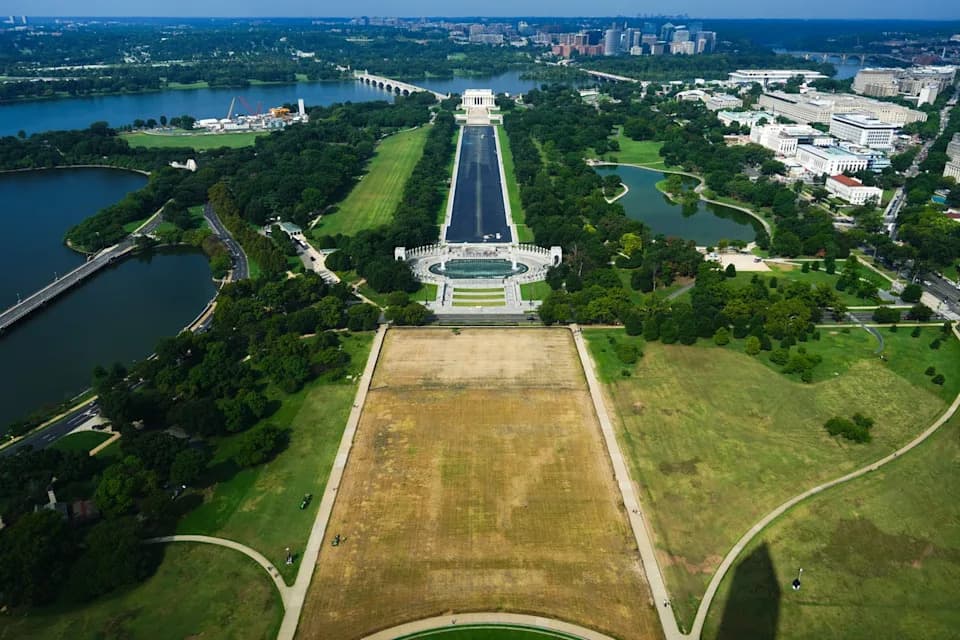
On June 15, a coalition of six preservation and cultural organizations filed suit in the U.S. District Court for the District of Columbia, arguing that the proposed National Garden of American Heroes — planned for West Potomac Park between the Lincoln Memorial and the Jefferson Memorial — violates federal law and was not authorized by Congress.
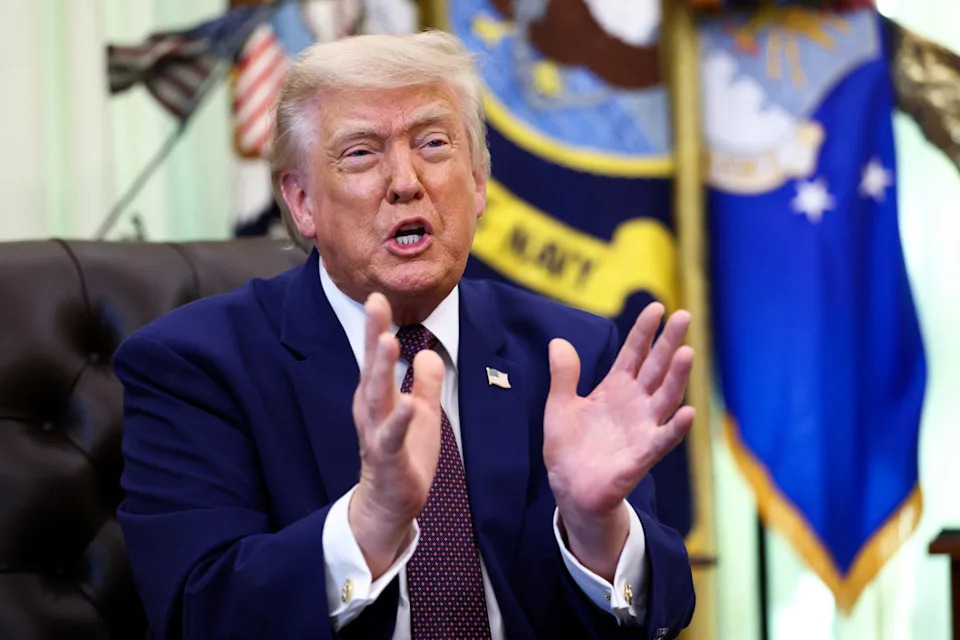
President Donald Trump speaks to reporters at the White House on June 3, 2026, in Washington, DC.
The initiative calls for roughly 250 statues honoring Americans who, the administration says, helped shape the nation’s cultural, scientific, economic and political life. The project has been promoted as part of celebrations for the nation’s 250th anniversary.
Key Legal Claims
The plaintiffs contend the plan breaches the Commemorative Works Act and the National Historic Preservation Act, and that Congress has restricted new commemorative works within the Mall’s "great cross-axis," an area that includes West Potomac Park. In their complaint the groups argue the National Mall is a "substantially completed work of civic art" and not "a personal sandbox" for unilateral redesigns by a sitting president.
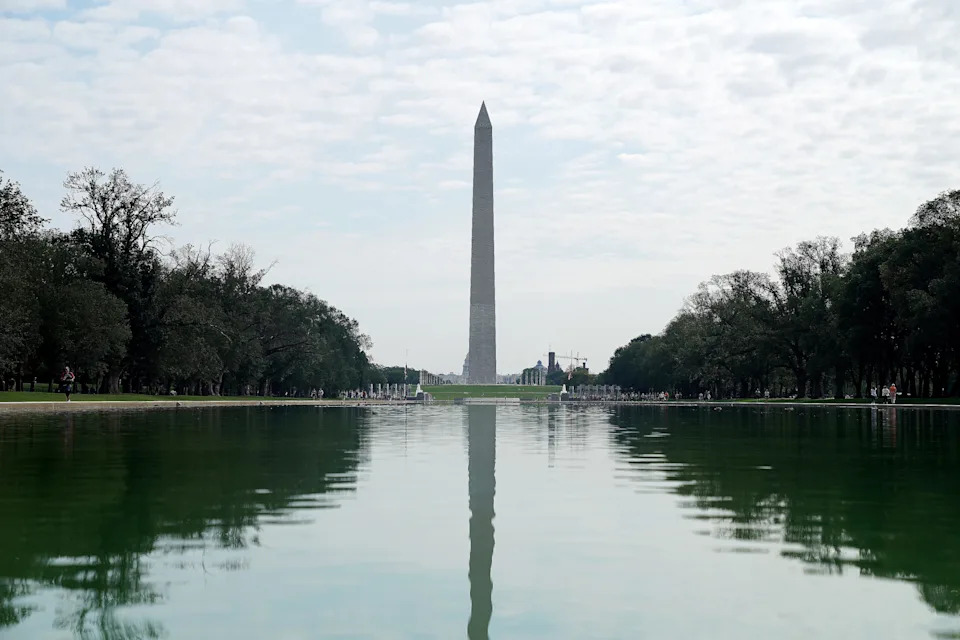
The Washington Monument seen from the Lincoln Memorial reflecting pool during the 20th anniversary of 9/11 commemoration and District Cup Polo Match at West Potomac Park on Sept. 11, 2021 in Washington, DC.
In a May 15 Truth Social post, Mr. Trump referred to the site as a "totally BARREN field of Prime Waterfront Real Estate along our Mighty Potomac River."
Background And Funding
Mr. Trump first issued an executive order in 2020 to create the garden with a target completion of July 4, 2026; that order was revoked by President Joe Biden. After returning to the White House, Mr. Trump reestablished the effort on Jan. 29, 2025, creating a White House Task Force on Celebrating America's 250th Birthday and directing that the project proceed "as expeditiously as possible."
In July 2025, Congress appropriated $40 million to the National Endowment for the Humanities (NEH), funds designated to remain available through fiscal year 2028 "for the procurement of statues as described in" the president’s orders. The NEH later invited applications from artists.
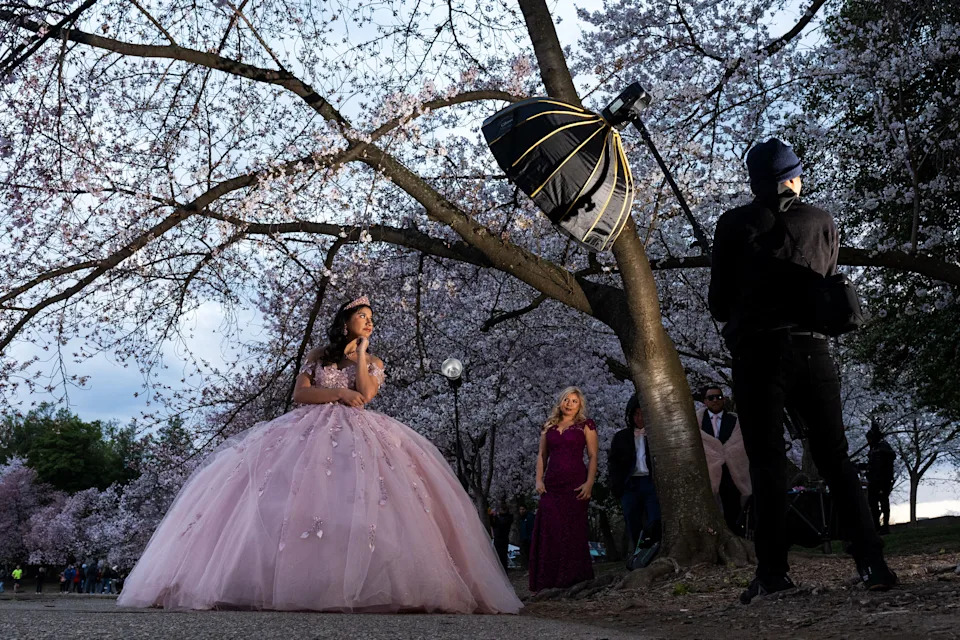
Gabrielle Cardenas of Potomac poses for photos for her quinceañera along the Tidal Basin during the annual National Cherry Blossom Festival in Washington, D.C., March 26, 2025. The festival commemorates Japan's gift of 3,000 cherry trees in 1912.
The NEH said the maximum grant for a life-size statue would be $200,000 and specified acceptable materials as marble, granite, bronze, copper or brass. Early suggested honorees named by the administration include Muhammad Ali, Susan B. Anthony, Louis Armstrong, Julia Child and Neil Armstrong.
Why It Matters
The lawsuit is one of several legal challenges to construction initiatives championed by the president that critics say exceed executive authority and threaten protected public spaces. The outcome could clarify how far a president may alter the Mall and other federally governed public landscapes without express congressional approval.
Swapna Venugopal Ramaswamy, USA TODAY
This article originally appeared on USA TODAY.
Help us improve.