Crown Princess Mette-Marit was added to Norway’s lung transplant waiting list on June 5. In the days that followed about 12,000 people signed up as organ donors — roughly a 180-fold (≈18,000%) increase from the previous month. Norway uses an opt-out donation system, but relatives are always consulted and can refuse organ removal. Around 600 patients are currently waiting for donor organs in the country.
Norway Sees Massive Surge In Donor Sign-Ups After Crown Princess Joins Lung Transplant Waitlist
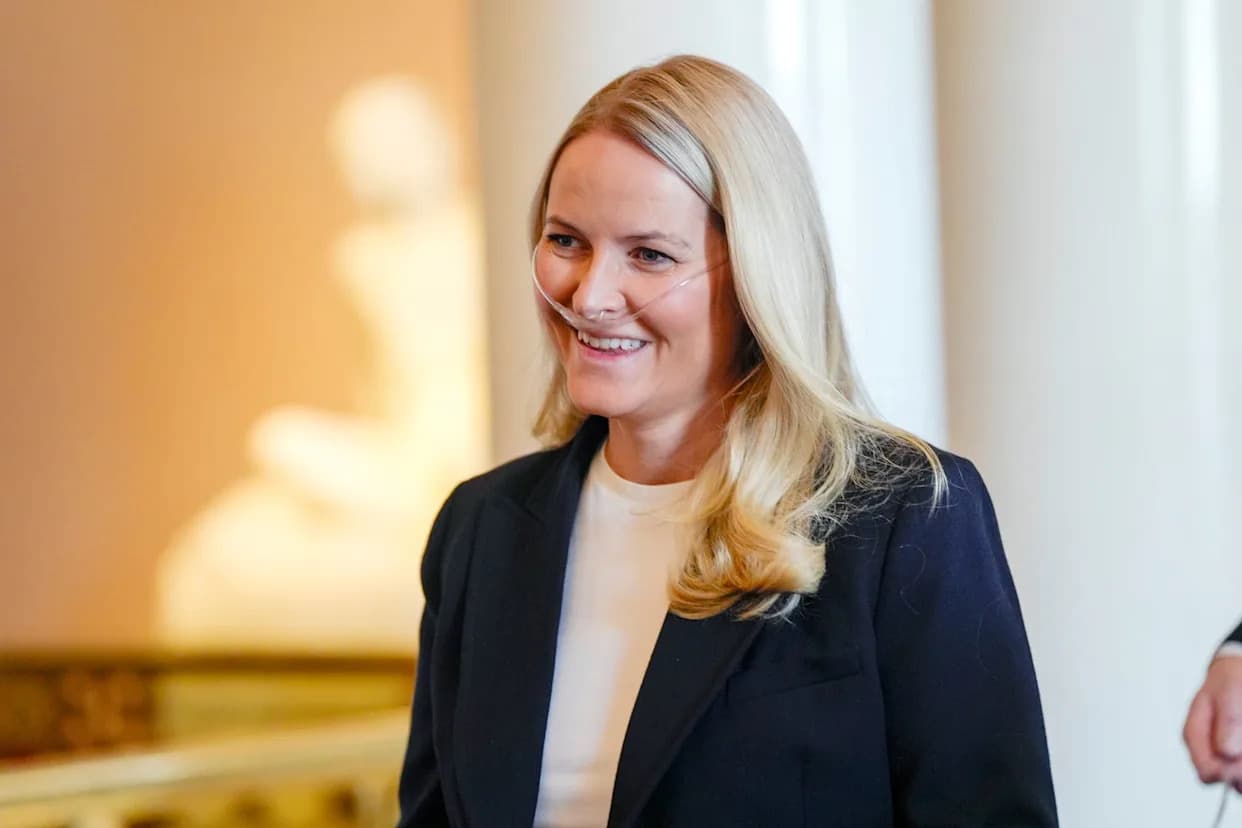
Norweigian Crown Princess Mette-Marit attends a reception for the Norwegian athletes from the Paralympics in Milano Cortina 2026 wearing breathing assistance at the Palace in Oslo. (is associated with: «Norway donor sign-ups spike after crown princess joins transplant list») Lise Åserud/NTB/dpa
Thousands of Norwegians have registered as organ donors after Crown Princess Mette-Marit was placed on the waiting list for a lung transplant, officials said.
On June 5, the Royal Palace in Oslo announced that the 52-year-old crown princess had been added to the lung transplant list. The country’s Organ Donation Foundation told the Norwegian news agency NTB that about 12,000 people registered as organ donors following the announcement — roughly a 180-fold increase compared with the previous month (about an 18,000% rise).
Why It Matters
Mette-Marit has pulmonary fibrosis, an incurable condition that scars lung tissue and makes breathing progressively more difficult; she now relies on supplemental oxygen in daily life. Doctors say patients placed on a lung transplant list are typically those whose life expectancy without a transplant is measured in about a year.
The Organ Donation Foundation also reported that around 600 patients in Norway are currently waiting for a donor organ. Lung specialist Are Holm said the waiting list for lung transplants is relatively short at present, but demand for donor organs remains significant.
How Norway’s System Works
Norway operates an opt-out organ donation system: deceased individuals are considered potential donors unless they explicitly objected while alive. However, families are always consulted and retain the right to refuse removal of organs, so family wishes continue to play a decisive role.
Public response: Health authorities and patient groups say high-profile cases can raise awareness and prompt more people to register, helping to address organ shortages.
The recent surge highlights how public figures can influence health choices and awareness. Officials urged anyone considering donation to register their preference and discuss it with family members to ensure wishes are known.
Help us improve.