About 4,000 Americans die annually while waiting for kidney transplants and over 95,000 remain on dialysis. The author argues that compensating kidney donors is ethically consistent with accepted practices such as paid plasma donation, Phase I drug trials, life insurance and hazard pay. Economically, modest donor payments (for example, $100,000) could reduce wait times, save Medicare money, and save lives if paired with strong safeguards. The piece calls for a sober, consistent debate about regulated compensation and donor protections.
Why We Pay For Blood and Drug Trials — But Not Kidneys? Could Donor Compensation End The Transplant Waitlist?
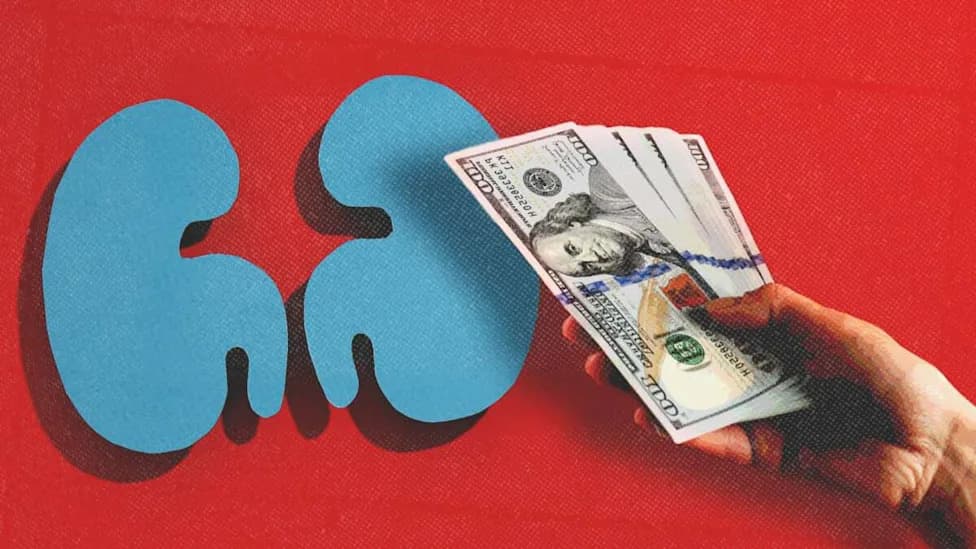
Illustration: AtlasComposer/Envato/Africaimages/Envato
About 4,000 Americans die each year while waiting for a kidney transplant, and more than 95,000 people currently rely on regular dialysis to survive the wait. Most patients endure the discomfort and restrictions of dialysis for three to five years before receiving a transplant.
An International Contrast
Many countries use donation systems similar to the U.S., producing long transplant waitlists. Iran, by contrast, legalized payment for kidney donors in 1988 and — according to reports — eliminated its waiting list within about 11 years. Compensating donors recognizes their time, pain and medical risk and can expand the pool of willing donors.
Does Payment Commodify People?
Critics often object to paying donors on moral grounds, arguing that compensation reduces people to commodities. But many widely accepted practices already assign monetary value to bodily services and risks without gutting dignity.
Wet nursing has been paid work for most of recorded history and is accepted across major religions. Blood and plasma products are routinely bought and sold downstream even when the donor is unpaid.
In the U.S., plasma donors are explicitly compensated (about $50 per donation, up to twice weekly). The top five plasma-producing countries — the U.S., Germany, Austria, Hungary and the Czech Republic — supply roughly 90% of global plasma and all compensate donors. Plasma is essential for producing life-saving medicines such as anti‑D immune globulin (preventing certain pregnancy complications), immunoglobulin for primary immunodeficiency, and C1‑esterase inhibitors for hereditary angioedema.
Paid Risk-Taking Is Common
Phase I clinical trials regularly pay healthy volunteers to assess drug safety and dosing. These volunteers perform a crucial function: about 30% of drugs tested in Phase I fail to advance. Serious harm to participants is uncommon (roughly 0.4% experience significant adverse events), and most critiques focus on ensuring adequate protections and fair compensation rather than condemning payment itself.
Other examples include life insurance (once controversial for assigning monetary value to life), statutory hazard pay for dangerous jobs, war‑risk or offshore bonuses, and workers’ compensation schedules for loss of body part function. These systems both recognize risk and provide financial protection.
The Economics Of Paying Kidney Donors
There are roughly 137 million Americans aged 25–54 and about 95,492 people currently waiting for kidneys. If only 0.07% of Americans in that age range donated a kidney, the waitlist could effectively vanish.
Dialysis costs Medicare roughly $90,000 per patient per year. A one-time payment of $100,000 per donor could be cost-saving if it reduced average wait times by more than a year — because transplants lower long-term care costs and improve recipients’ quality of life.
Conclusion
The central ethical challenge is consistency. If you object to compensating kidney donors because it commodifies the body, you should also scrutinize — and arguably oppose — existing practices that monetize bodily services or risk: paid plasma donation, compensated Phase I clinical trials, life insurance, hazard pay, and workers’ compensation. Alternatively, you might conclude that certain, well-regulated forms of compensation can respect donor dignity while saving lives and reducing public expense.
Questions for policymakers: Could a carefully regulated compensation program increase donations, protect donors, and reduce overall costs? How can safeguards be structured to prevent exploitation while expanding lifesaving transplants?
Help us improve.