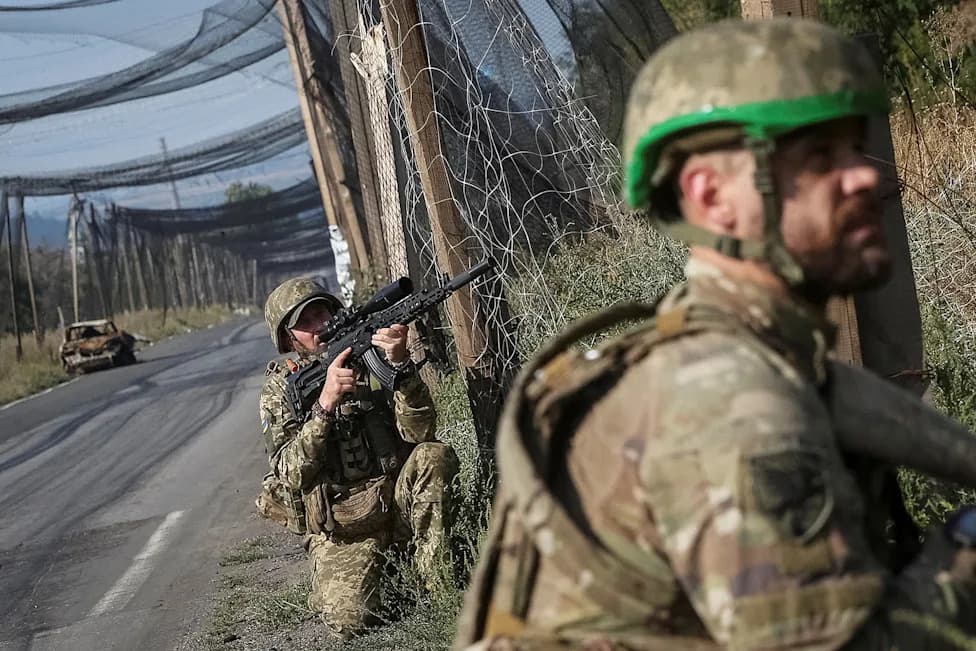
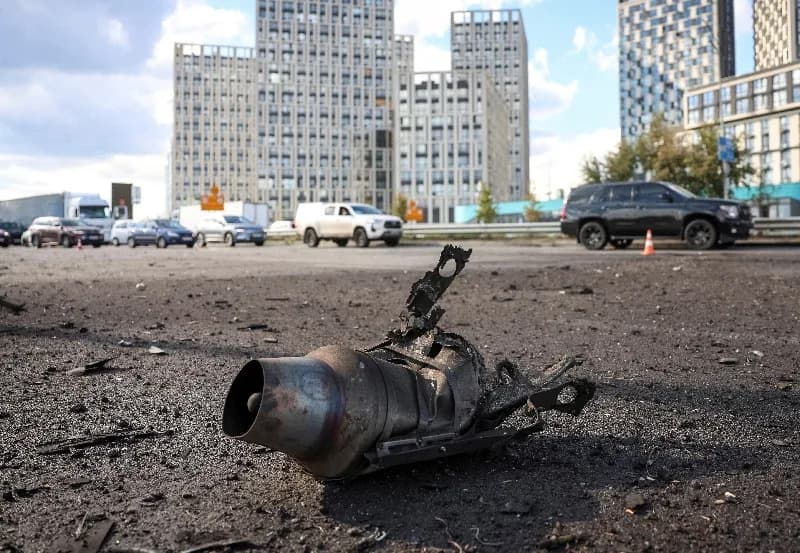
Analysts say Elon Musk and SpaceX could partner with Ukrainian drone engineers to develop affordable, scalable counter‑drone defenses for Starlink and other regional infrastructure. Ukraine’s battlefield innovations in low‑cost interceptors and electronic warfare complement SpaceX’s autonomy, sensor and manufacturing strengths. Experts caution that while such a partnership could reshape the counter‑drone market, it would also raise legal, ethical and strategic questions — and a temporary truce with Iran would not eliminate the need for contingency planning.
Elon Musk Could Team With Ukrainian Engineers To Shoot Down Iran’s Drones — Could SpaceX Lead A Counter‑Drone Arms Race?
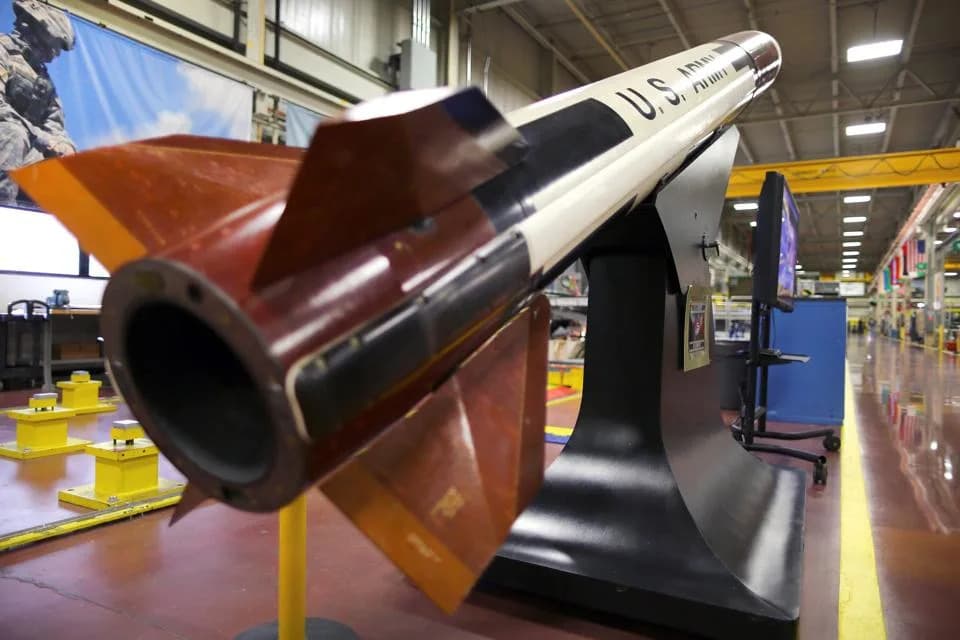
By joining forces with Ukrainian designers to craft next-generation drones and interceptors, SpaceX could take the worldwide lead in this sphere of defense technology. Shown here is the leading-edge but expensive $4 million American Patriot missile. (Photo by John Tlumacki/The Boston Globe via Getty Images)Boston Globe via Getty Images
As Iran publicly threatens SpaceX infrastructure across the Middle East, analysts say Elon Musk could partner with Ukrainian drone and counter‑drone experts to develop next‑generation interceptors and defensive systems. Such a collaboration would combine Ukraine’s battlefield experience with SpaceX’s strengths in autonomy, sensors and large‑scale engineering.
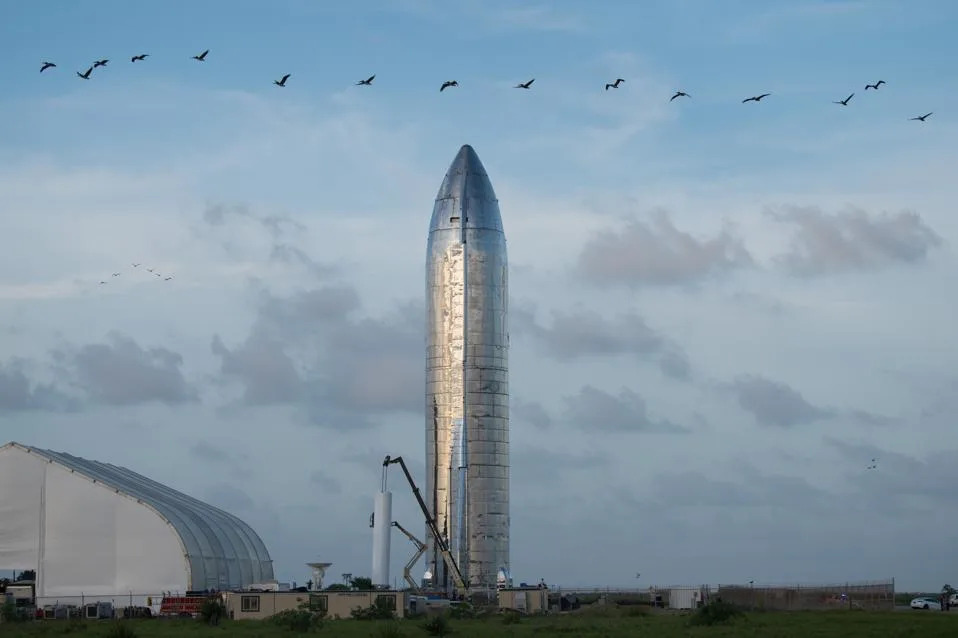
SpaceX's world-leading expertise in aeronautical engineering and AI-enhanced autonomous flight "are exactly the kinds of capabilities that matter in counter-drone defense.” (Photo by Loren Elliott/Getty Images)Getty Images
Why SpaceX Is A Target
Iran’s state‑aligned media recently named Starlink ground stations in Qatar, Jordan, the UAE and Oman as potential targets, and warned that outlets linked to Musk — including ventures like xAI and the social platform X — could be at risk. The threat follows accusations that commercial satellite services are being used in hostile operations, a narrative advanced by Tehran and echoed in parts of the region.
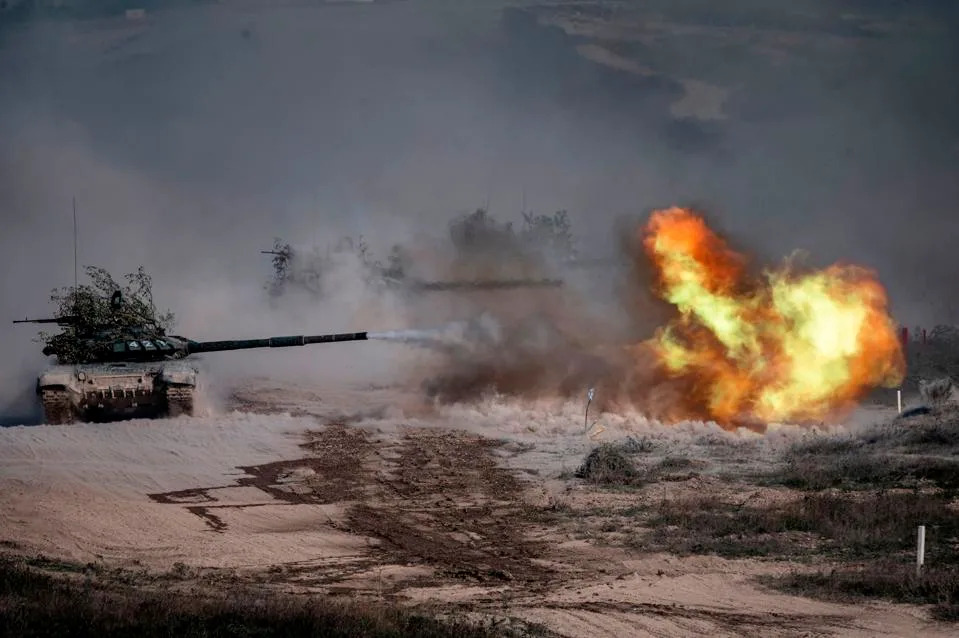
The Russian army stages joint military exercises with Iran. (Photo by Dimitar DILKOFF / AFP) (Photo by DIMITAR DILKOFF/AFP via Getty Images)AFP via Getty Images
Russia, Iran And The Expanding Battle Space
Experts warn the Iran‑Russia partnership may extend to intelligence sharing that could help identify SpaceX infrastructure. "Russia and Iran are clearly deepening their military and strategic partnership against Western interests," says Brian Hurley, founder of the New Space Economy think tank. Victoria Samson of the Secure World Foundation adds that Tehran appears to be preparing broader strikes on commercial space infrastructure similar to Russia’s campaign against Starlink in Ukraine.
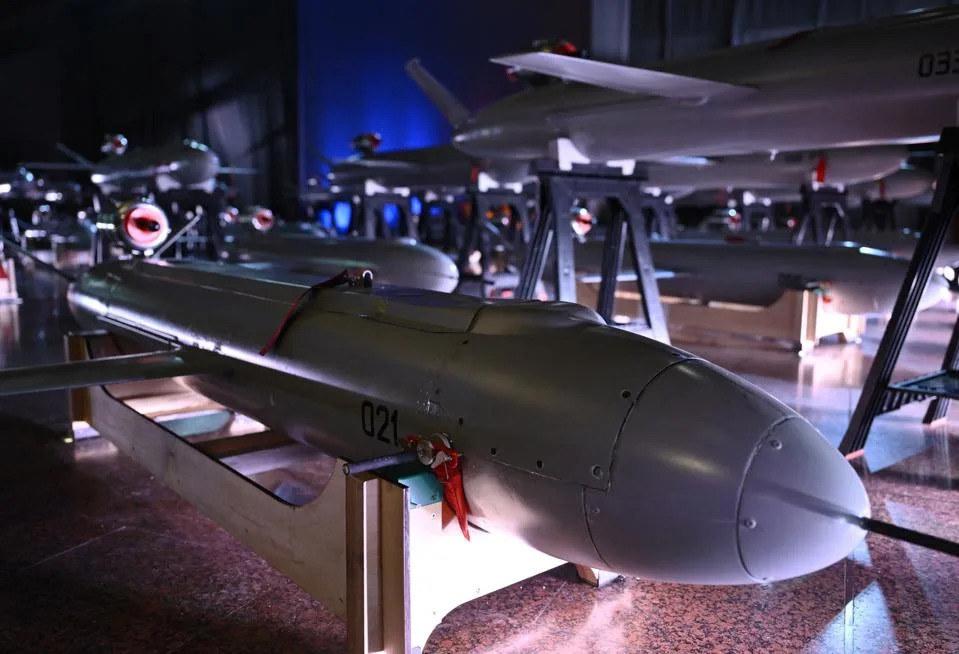
Ukraine has become a global power in crafting leading-edge low-cost aerial weaponry like these "Peklo" drone missiles, and could team up with SpaceX to lead the world in this ever-expanding market. (Photo by Genya SAVILOV / AFP) (Photo by GENYA SAVILOV/AFP via Getty Images)AFP via Getty Images
What Ukraine Brings To The Table
Since the start of the war, Ukraine has become a global center for low‑cost drones and hit‑to‑kill interceptors, rapidly iterating electronic warfare, sensors and kinetic countermeasures to defeat Shahed‑type loitering munitions. Ukrainian teams have also shared training and expertise with NATO partners and have reportedly deployed specialists to help protect Middle Eastern outposts.
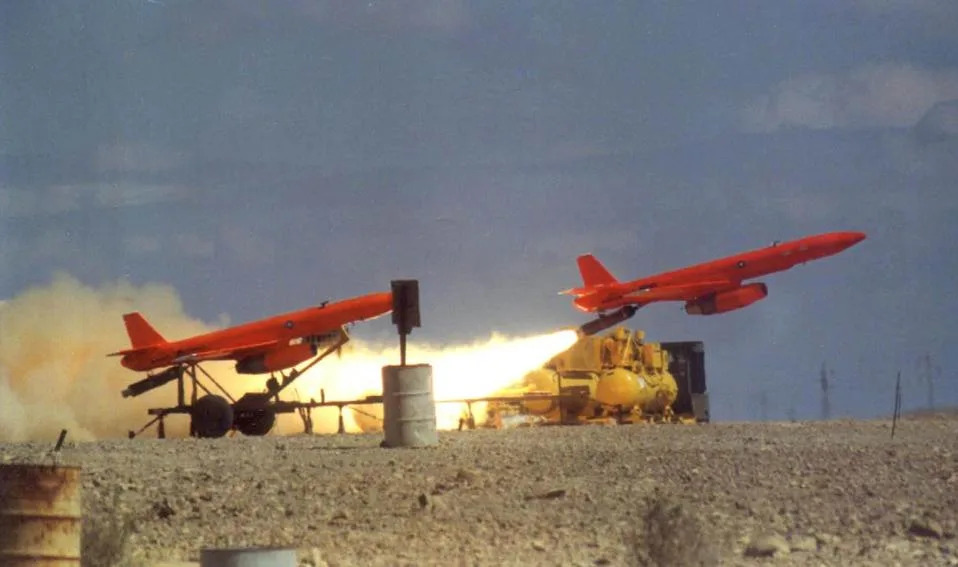
While the Israeli and American armed forces have been experimenting with pilotless fighter aircraft, SpaceX could swiftly take the worldwide lead in crafting cutting-edge interceptors and drones. (Photo by IDF/Newsmakers)Getty Images
Cost And Scale Matter
U.S. interceptors such as PATRIOT batteries (roughly $4 million each) and THAAD interceptors (around $12 million apiece) are highly capable but expensive to use against large numbers of low‑cost drones. Analysts say scalable, lower‑cost solutions pioneered in Ukraine — combining cheaper interceptors, electronic warfare and automated targeting — can offer a more sustainable defense posture.
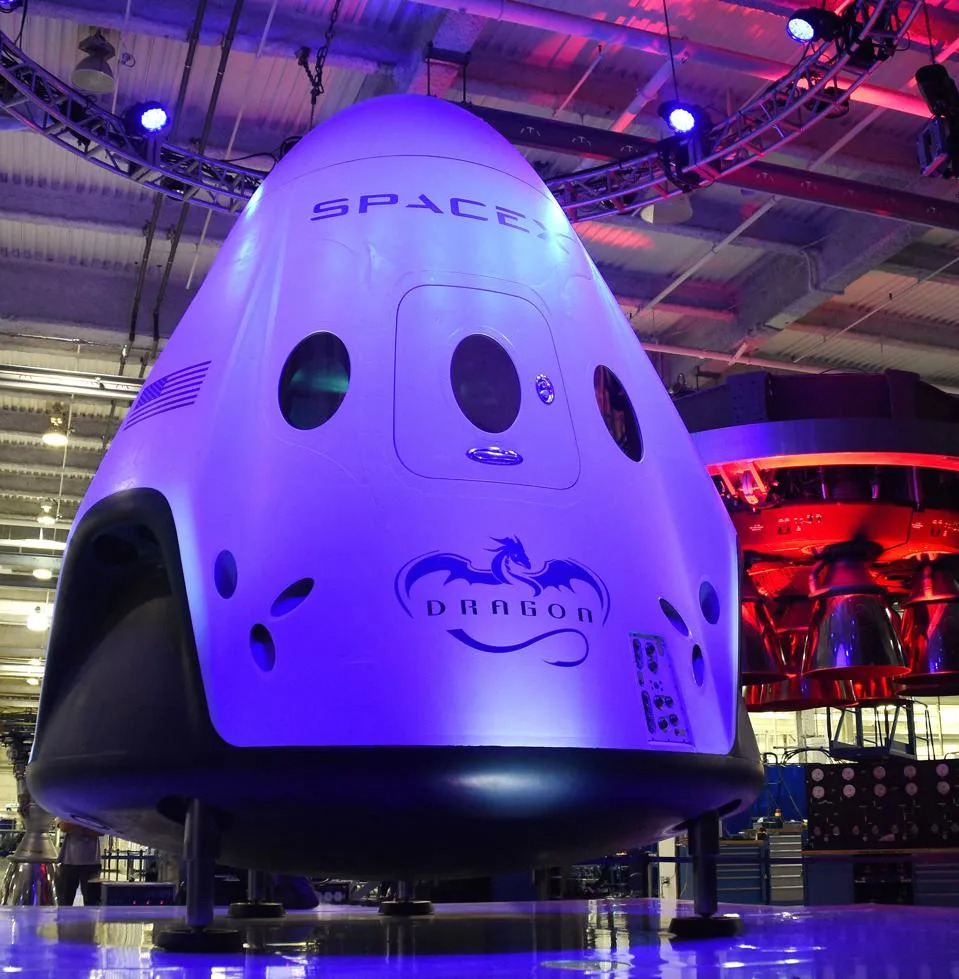
Even as Russia deploys jet fighters, missile brigades and bomber drones to destroy SpaceX Starlink terminals across Ukraine, Iran aims to conduct similar blitzes on SpaceX stations all around its periphery. (Photo by ROBYN BECK/AFP via Getty Images)AFP via Getty Images
“Those are exactly the kinds of capabilities that matter in counter‑drone defense — detecting, tracking, prioritizing, and defeating large numbers of low‑cost autonomous threats at scale,” Hurley told us.
How SpaceX Could Contribute
SpaceX already possesses deep experience in autonomous flight operations, AI‑driven control systems, resilient communications and rapid software iteration. If the company chose to co‑develop defensive drones and interceptors with Ukrainian designers, it could leverage Starlink/Starshield relationships, manufacturing scale and sensor expertise to field advanced, integrated counter‑drone systems.

Iran is preparing to mirror Russia's attacks on SpaceX Starlink terminals. Possession of a smuggled Starlink station inside Iran is punishable by death (Photo illustration by Jonathan Raa/NurPhoto via Getty Images)NurPhoto via Getty Images
Hurley predicts SpaceX could even expand into autonomous defense platforms and military robotics — a move enabled both by technical capabilities and by the financial resources unlocked in recent IPO activity. However, such a shift would carry legal, ethical and strategic implications.
Risk, Truces And Contingency Planning
Even as diplomats discuss a possible 60‑day truce between the U.S. and Iran, experts caution that temporary pauses do not eliminate threats to commercial space infrastructure. "A truce reduces immediate risk, but it does not remove the need for contingency planning," Hurley warns.
Combining Ukrainian operational lessons with SpaceX’s technological strengths could produce a powerful, cost‑effective approach to defending distributed space‑enabled infrastructure — but it also would further blur lines between commercial services and military operations, raising complex policy questions.
Note: This article synthesizes public statements and reporting on possible partnerships and strategic trends; it does not assert that SpaceX is currently engaged in offensive military operations.
Help us improve.