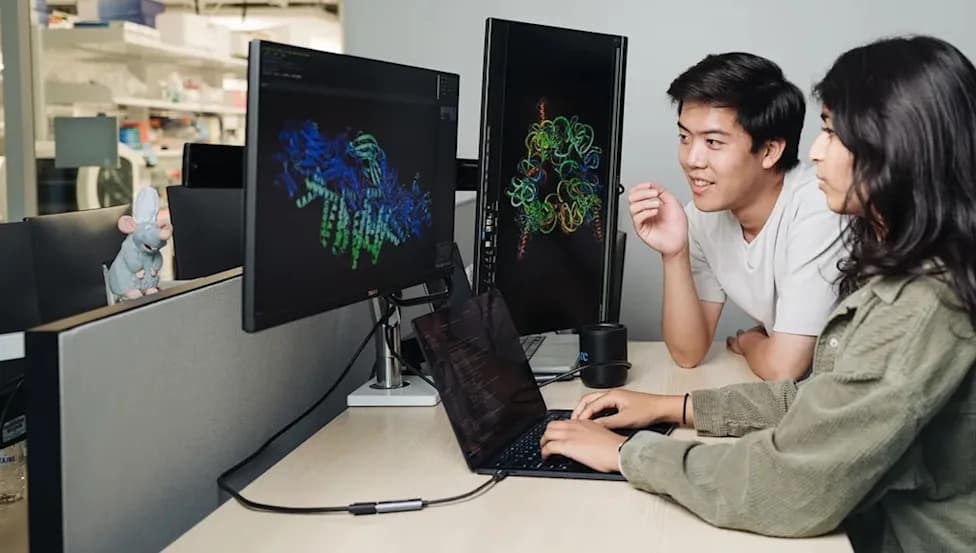
University of Cambridge researchers reported phase 1 results for pEVAC-PS, the first AI-designed DNA vaccine to reach human testing. In 39 adults (18–50), intradermal, needle-free administration produced no serious adverse events and only expected immune responses. Key limitations include single-site recruitment, lack of blinding and variable prior variant exposure. Larger, controlled trials — including assessments against omicron BA.1 and BA.2 — are planned to confirm efficacy.
First AI-Designed COVID Vaccine Completes Phase 1 Trial With Strong Safety Signals
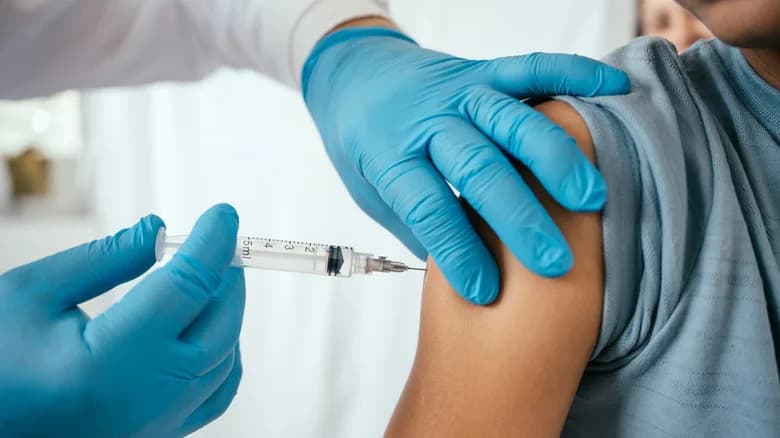
Doctor administering vaccine to patient - Drs Producoes/Getty Images
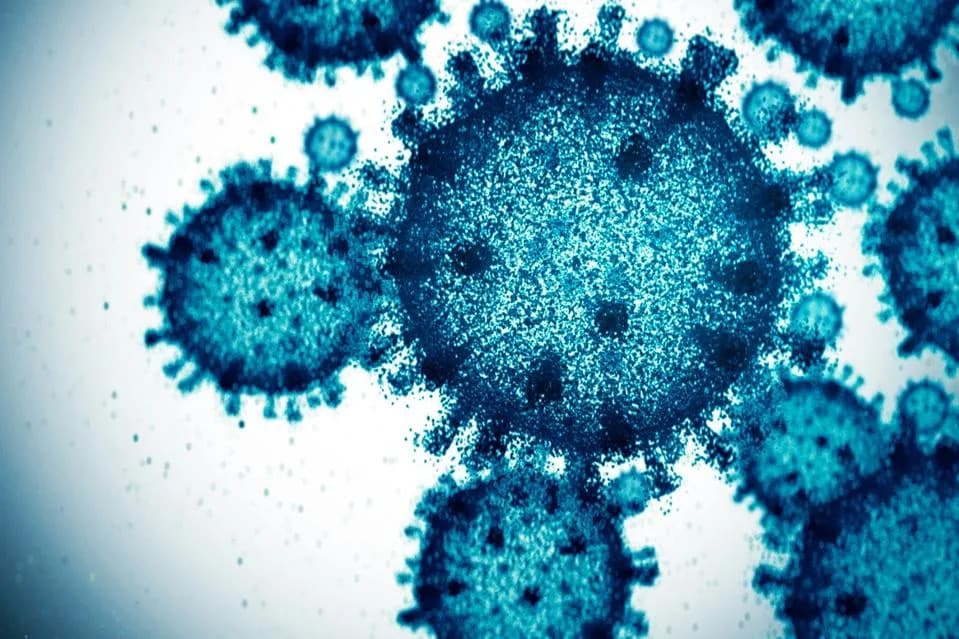
Researchers at the University of Cambridge have reported phase 1 human trial results for pEVAC-PS, an AI-designed DNA vaccine targeting the Sarbeco family of coronaviruses. The vaccine was created using an artificial intelligence platform called Digitally Immune Optimised Synthetic Vaccine (DIOSynVax) and encoded as DNA for needle-free intradermal delivery.
Trial Design and Results
The open-label phase 1 study enrolled 39 healthy adults aged 18–50 at the NIHR Southampton Clinical Research Facility. Participants received varying dose levels of pEVAC-PS to evaluate safety, tolerability, immunogenicity (immune response) and reactogenicity (expected short-term reactions).
According to the published findings, all 39 participants tolerated the vaccine doses without serious adverse events. Reported effects were limited to expected immune responses and a small number of mild COVID-19 cases consistent with community transmission rather than vaccine-related harm.
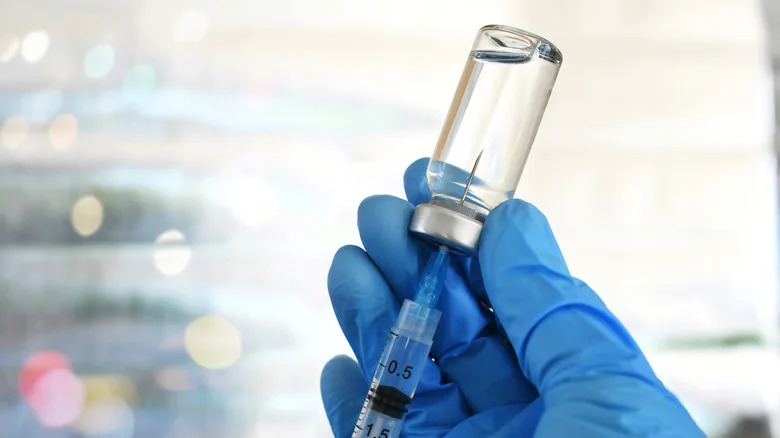
Doctor filling hypodermic needle with vaccine - Margjohnsonva/Getty Images
What Makes This Vaccine Different
DIOSynVax generated a broadly targeted immunogen described by the research team as a "super antigen," intended to elicit protection across the Sarbeco subgenus of coronaviruses. Encoding the immunogen as DNA enables rapid design iterations and relatively simple manufacturing. The intradermal, needle-free delivery system is designed to reduce needle use and streamline administration.
Study Limitations and Next Steps
The authors note several important limitations: the trial used a single recruitment site in Southampton (limiting geographic diversity), it was not blinded (investigators and participants knew group assignments), and some participant subgroups lacked prior exposure to specific SARS-CoV-2 variants, which could influence immune responses.
Follow-up studies will expand participant numbers, include more diverse sites, and evaluate efficacy against variants of concern such as omicron BA.1 and BA.2. Larger randomized, controlled trials are needed to confirm efficacy, durability of protection and the vaccine's potential as a broadly protective "universal" coronavirus candidate.
Significance
pEVAC-PS is notable for being the first AI-designed vaccine to reach human testing. While phase 1 safety signals are encouraging, robust confirmation requires larger trials. If subsequent studies validate both safety and cross-variant efficacy, AI platforms like DIOSynVax could accelerate vaccine design and expand the toolbox for rapid pandemic response.
Help us improve.