U.S. intelligence finds the Trump-era conflict proved Iran can close the Strait of Hormuz, creating a repeatable strategic option. Sources tell CNN Tehran may expand disruptions to the Bab-el-Mandeb corridor and could enlist Houthi rebels if talks with the U.S. fail. The assessment is based on three anonymous sources and remains a developing story with significant implications for global shipping and energy markets.
U.S. Intel: Iran Can Close the Strait of Hormuz At Will — Could Expand Disruptions Toward Bab-el-Mandeb
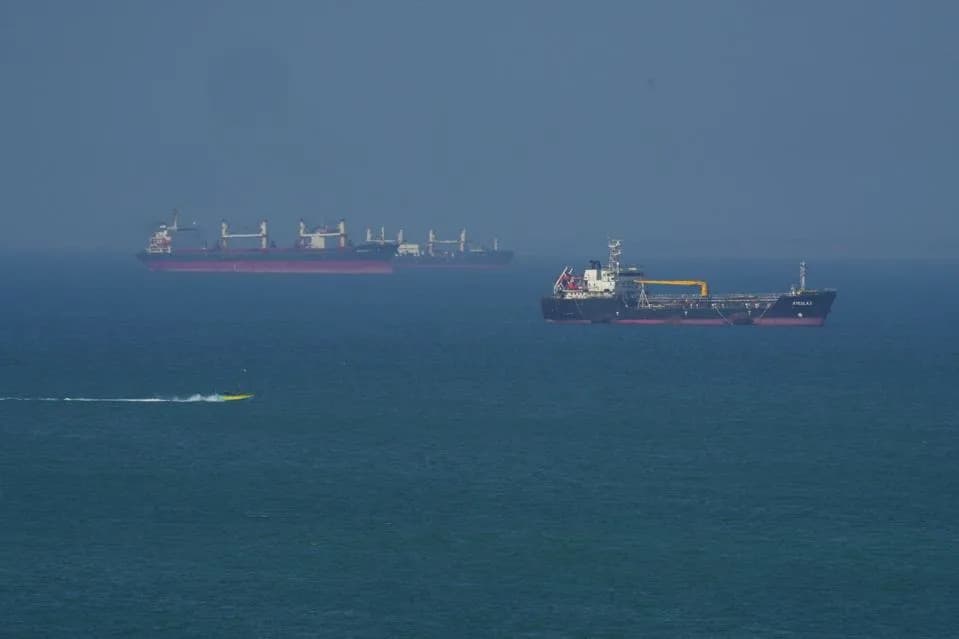
The Ateela 2 Oil Tanker boat navigates the Strait of Hormuz on April 28, 2026. (Photo by Asghar Besharati/Getty Images)Getty Images
U.S. intelligence assessments conclude that the conflict that began under President Trump demonstrated to Iran that it can successfully seal the Strait of Hormuz — a capability Tehran reportedly did not possess before the fighting and one it could use again, according to reporting based on intelligence sources.
Key finding: Officials told CNN that Iran's operations during the conflict showed how it could choke maritime traffic through the Strait, creating a repeatable strategic option with serious implications for global energy and shipping markets.
Sources familiar with the intelligence told CNN that Iran has also been preparing to broaden its campaign of disrupting global shipping. If diplomacy with Washington collapses, Tehran could attempt to extend operations beyond the Strait of Hormuz to the Bab-el-Mandeb corridor — the narrow waterway linking the Red Sea and the Indian Ocean — and might enlist Yemen’s Houthi rebels in those efforts.
The assessment is based on reporting that cites three anonymous sources. U.S. officials have not publicly released the full intelligence product, and analysts continue to evaluate the capability, intent and potential timelines for any renewed disruption. The situation remains fluid and under close monitoring by maritime and national security agencies.
Why it matters: The Strait of Hormuz is one of the world’s most important chokepoints for oil and gas exports. A sustained shutdown or repeated disruptions could spike energy prices, disrupt global supply chains and force navies and commercial fleets to reroute, increasing transit times and costs.
This is a developing story; updates will be added as more information becomes available.
Photo: The oil tanker Ateela 2 transits the Strait of Hormuz on April 28, 2026. (Photo by Asghar Besharati/Getty Images)
Originally published on Forbes.com. Reporting cited by CNN referenced three anonymous sources familiar with the intelligence assessments.
Help us improve.