The US and Iran have electronically signed a preliminary memorandum, but many details remain unresolved and the deal is already described as entering a “second phase.” Tehran appears to prefer prolonging talks and adding complexity, a tactic it used in 2015, because that raises the political cost of collapse. Regional backing and the economic incentive to reopen the Strait of Hormuz could lock in a diplomatic trajectory, even as Iran continues limited deniable actions for leverage.
Why Iran Is Betting On a Prolonged Diplomatic Track in US Preliminary Deal Talks
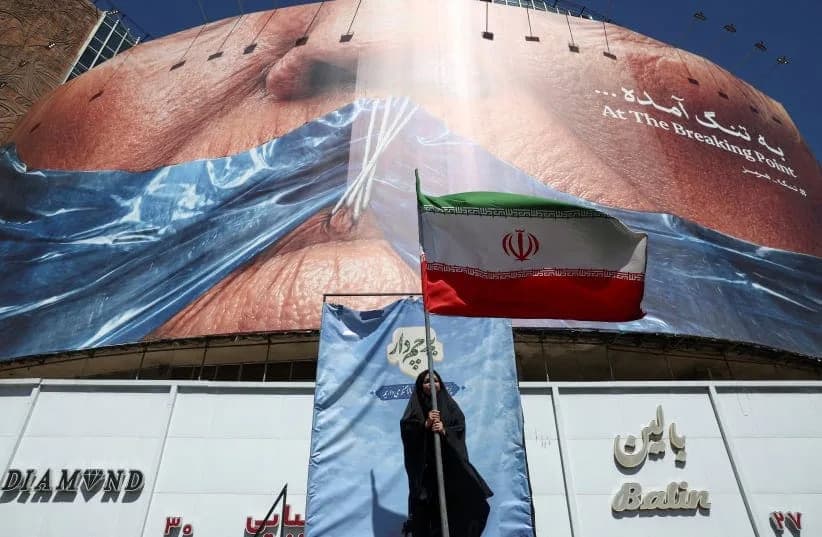
A woman holds an Iranian flag near an anti-US billboard depicting US President Donald Trump and the Strait of Hormuz, in Tehran, Iran, May 25, 2026. (photo credit: MAJID ASGARIPOUR/WANA (WEST ASIA NEWS AGENCY) VIA REUTERS)
A preliminary US-Iran memorandum was signed electronically, but significant uncertainties remain about its substance and the implications of a possible 60-day ceasefire. Observers already describe the arrangement as entering a “second phase,” underscoring how unclear provisions and open questions could shape the next steps.
Why Tehran Favors a Slower, More Complex Process
Tehran appears to benefit from a prolonged negotiation timeline. By stretching talks and introducing additional variables, Iran increases the number of negotiation points and the political cost for Washington of walking away. Each new detail also becomes a potential talking point for later rounds of diplomacy.
That approach gives Iran flexibility: even if it falls short on some commitments, it can point to other concessions it has honoured to argue it is broadly complying. This incremental, detail-focused strategy mirrors Iran’s tactics during the 2015 nuclear negotiations.
Regional Dynamics And Leverage
Iran calculates that time works in its favour. Regional actors such as Qatar, Turkey, Pakistan and Oman generally prefer diplomacy to renewed conflict and may amplify Tehran’s arguments in Washington and other forums. International praise for the preliminary agreement also reflects a global appetite to avoid escalation.
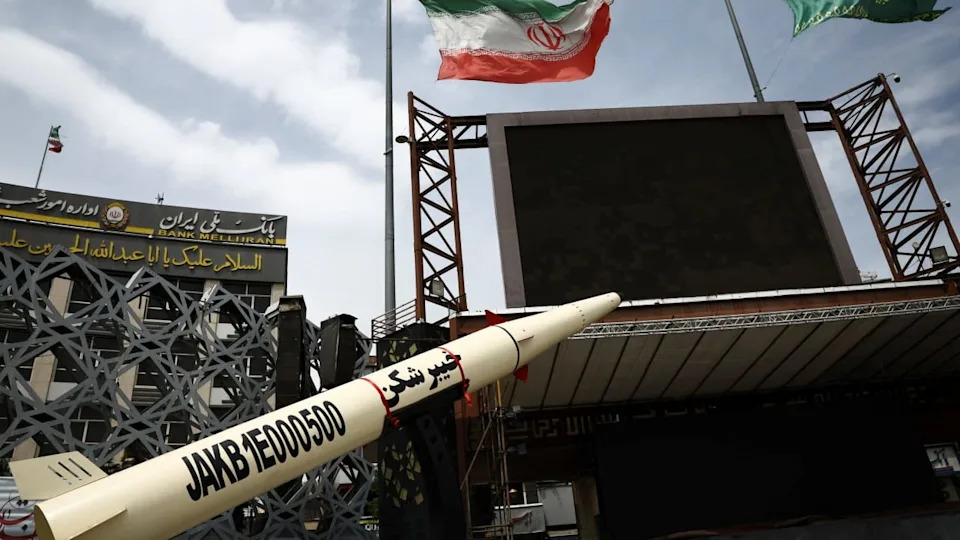
One tangible goal underlying the talks is an earlier end to disruptions in the Strait of Hormuz, which would facilitate trade recovery and regional economic growth. As commercial flows normalise, many states will have stronger incentives to resist a return to widespread hostilities.
Diplomacy Alongside Denial And Pressure
At the same time, Iran has continued limited, deniable operations and proxy pressure in Iraq, Lebanon and Yemen, and has carried out direct attacks in the past — notably the 2019 strikes on Saudi Arabia’s Abqaiq facilities and assaults on vessels near Fujairah. Tehran treats such incidents as bargaining chips to extract concessions or to signal resolve without triggering full-scale war.
Other actors have used similar tactics: the 2019 seizure of the tanker Grace 1 by UK authorities prompted Iranian maritime retaliation. Much of the current confrontation therefore plays out in the shadows while diplomatic channels remain open.
What To Watch Next
Key developments to monitor include the final content of the memorandum, the exact terms and duration of any ceasefire, how regional states position themselves, and whether limited exchanges escalate or remain contained. Together these factors will determine whether the preliminary deal leads to sustained de-escalation or a fragile, contested arrangement.
Help us improve.