A family filed a federal lawsuit after spike strips deployed during a March 5 pursuit on Interstate 64 allegedly caused a stolen Jeep to crash into and kill 52‑year‑old Angela Marie Born. The complaint says police could have arrested the suspect later rather than deploying spike strips on a crowded interstate. The City of Hurricane has moved to dismiss or narrow parts of the suit; law enforcement says the tactic was justified because the suspect drove erratically and may have been armed. The case raises larger questions about the risks of highway pursuit tactics and responsibility when those tactics harm innocent people.
Family Sues After Spike Strips On I‑64 Killed A Mother — Suit Argues Police Tactics Were Foreseeable
A City Threw Spike Strips Across A Busy Interstate To Stop A Stolen Jeep. Now It's Getting Sued Over The Mom It Killed
A West Virginia family has filed a federal lawsuit after spike strips deployed during a March 5 police pursuit on Interstate 64 allegedly caused a stolen Jeep to collide with and kill 52-year-old Angela Marie Born. The complaint contends that officials chose a dangerous tactic on a busy highway instead of apprehending a suspect later, and that choice had fatal consequences for an uninvolved motorist.
What Happened
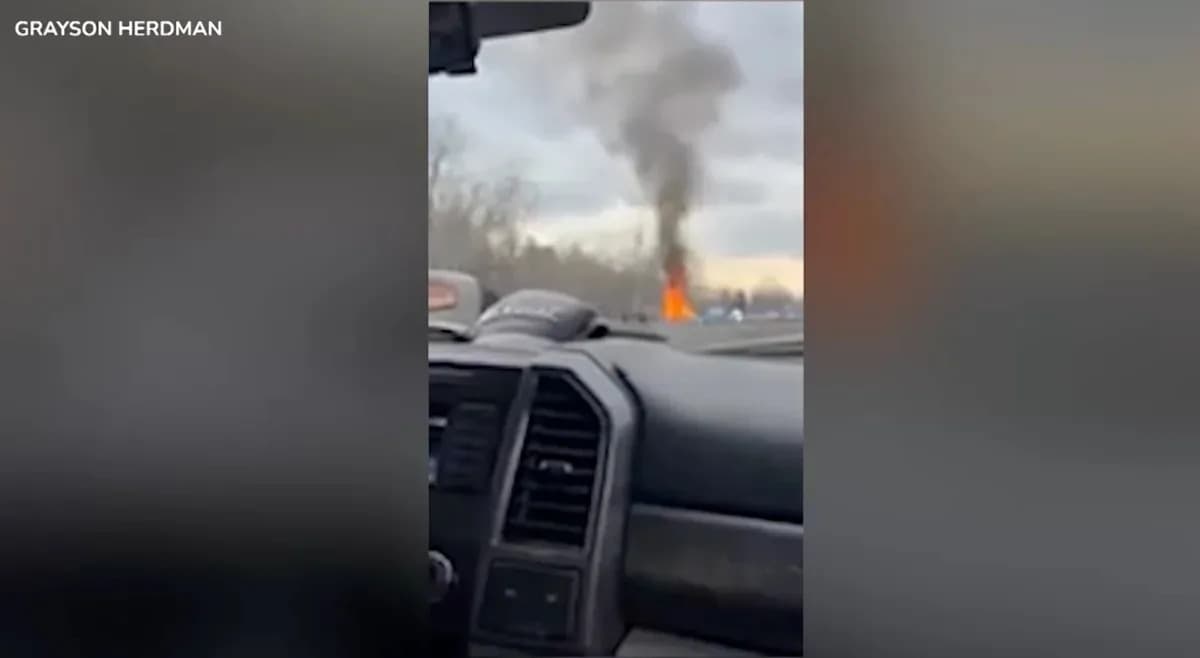
According to criminal charges and the civil complaint, 22-year-old Joseph Ryan Elswick allegedly took his grandmother's Jeep and led Putnam County deputies and Hurricane police on a multi-county chase that reached Interstate 64. Officers placed spike strips near an on‑ramp. The suit and charging documents say Elswick tried to avoid the strips, lost control, and struck the rear of the car driven by Born. Her vehicle crossed lanes, stopped in the median and caught fire; she died at the scene. Born was not involved in the theft or pursuit.
The Lawsuit
In April, Born's family sued in federal court, naming the Putnam County Commission, the City of Hurricane, Deputy C. Ford and other unnamed officers. The family argues police knew the suspect's identity and circumstances — he had allegedly stolen his grandmother's vehicle — and therefore could have arrested him later instead of pursuing him onto a crowded interstate and deploying spike strips without first stopping or diverting traffic. Attorneys Jesse Forbes and Dante diTrapano describe the outcome as a foreseeable disaster.
Officials' Response
The City of Hurricane has asked the court to dismiss or narrow parts of the complaint. In late May the city moved to dismiss or limit four of nine counts, arguing that one constitutional claim is too vague, that state law shields the city from certain claims about police training and supervision, and that a count improperly combines multiple legal theories. No ruling has been issued. Family attorneys say the claims are properly pleaded and necessary.
Law Enforcement Justification
Law enforcement officials defend the decision to deploy spike strips, saying Elswick was driving erratically and may have been armed — factors they say justified attempts to disable his vehicle before it could harm others. Elswick now faces multiple felony charges, including aggravated vehicular homicide and fleeing from law enforcement causing death.
Why Spike Strips Are Controversial
Spike strips shred tires. When a vehicle loses tires at highway speed it can become uncontrollable and behave like a multi-thousand‑pound projectile. That loss of control can endanger other motorists rather than only the fleeing vehicle. The lawsuit asks whether the officers who decided how to stop the Jeep share legal responsibility for the fatal outcome.
“The core question is not only what the driver did, but whether the tactics used to stop him were reasonably safe given the circumstances,” the complaint says.
The court has not yet ruled on the civil claims. The case raises broader questions about pursuit tactics, public-safety trade-offs on busy highways, and how agencies balance immediate risk against potential harm to uninvolved bystanders.
Help us improve.