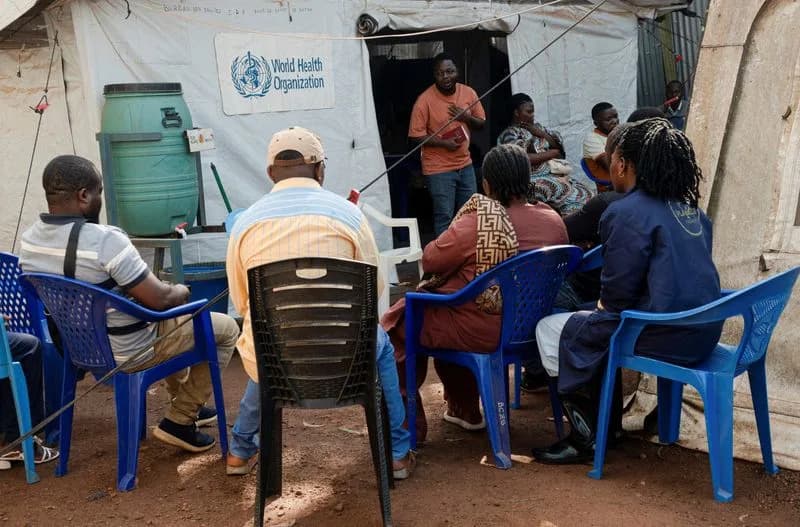
Civilians in eastern DRC are caught between a deadly Ebola outbreak and escalating militia violence, leaving health services overstretched and camps insecure. Plaine Savo holds over 70,000 displaced people who fear leaving the camp because of rape and killings, with MSF treating roughly 60 sexual-violence cases weekly. Renewed ethnic fighting between Hema and Lendu groups, the rise of the CRP in 2025, and accused abuses by security forces have worsened the crisis. Aid groups warn nearly one million displaced people in Ituri are at heightened risk if Ebola spreads further.
Trapped Between Ebola and Militias: Displaced Civilians Face Growing Crisis in Ituri
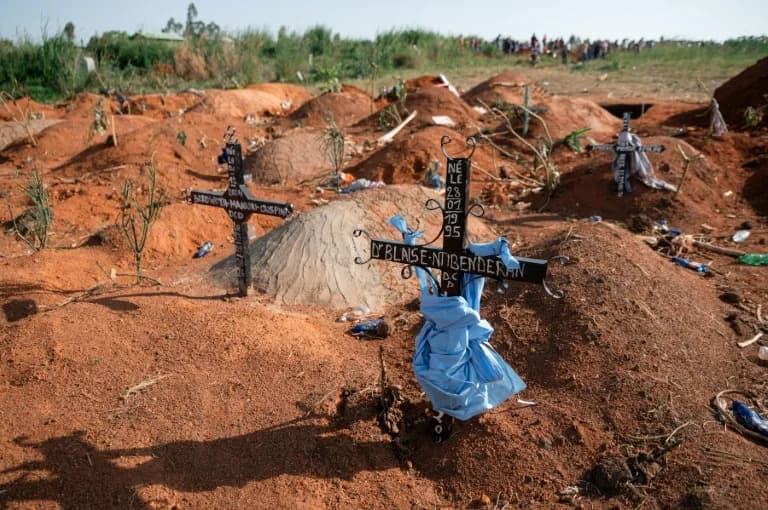
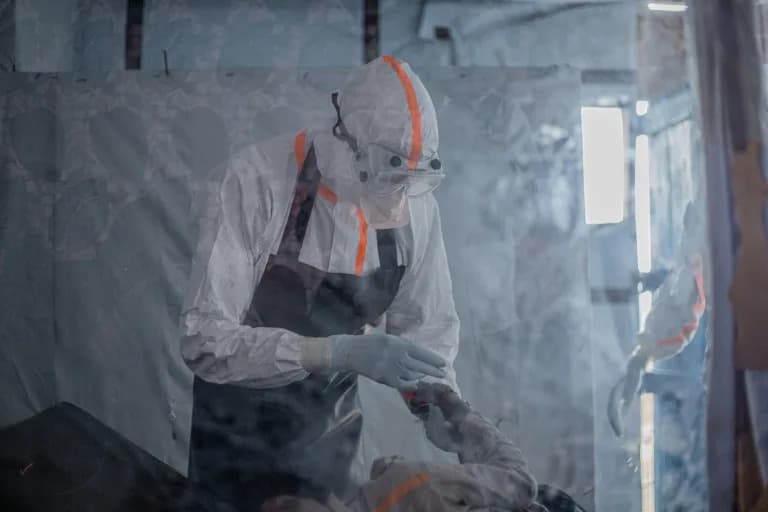
Ituri province is at the epicentre of the Ebola outbreak in the Democratic Republic of Congo (Jospin Mwisha)(Jospin Mwisha/AFP/AFP)
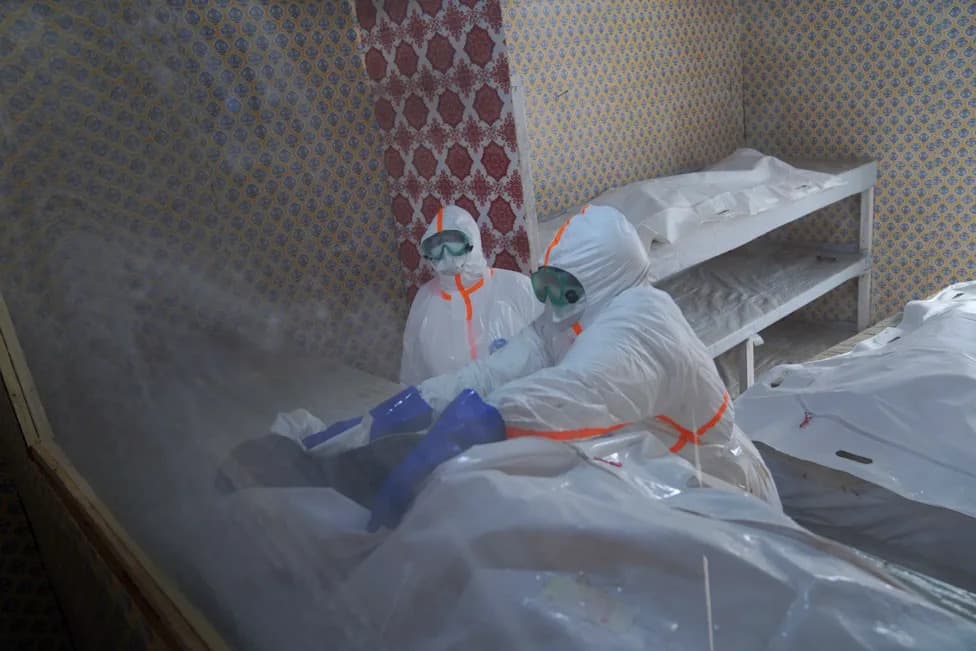
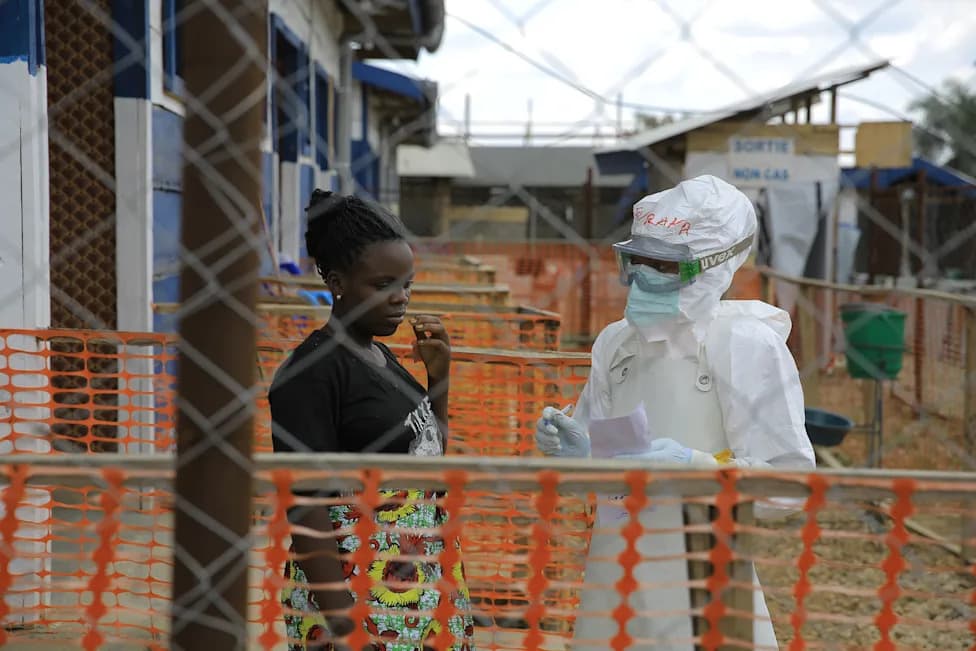
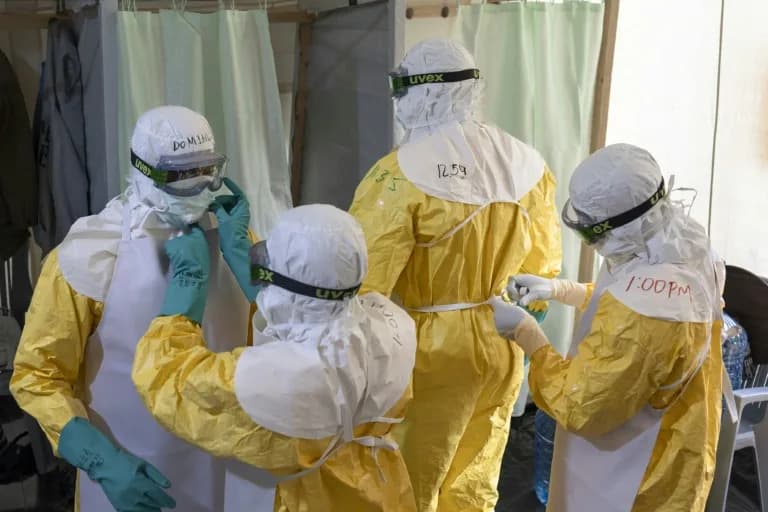
More than 70,000 people now live effectively under siege in the Plaine Savo displacement camp, a sprawling collection of tents in the savannah hills of Ituri province — the epicentre of the Democratic Republic of Congo’s 17th Ebola outbreak. For many residents, daily survival has become a choice between facing the virus and facing armed violence.
Life Under Siege
The muddy water source is nearby, but Antoinette told AFP she no longer dares to fetch water for fear of being raped or killed. Sitting outside her tent, she braided one of her eight daughters’ hair. Antoinette has lived seven months in the makeshift settlement she calls an “open-air prison.”
“Outside, you get killed or raped,” Antoinette said, a fear echoed by many camp residents and aid workers.
Sexual Violence and Insecurity
Doctors Without Borders (MSF) reports it treats roughly 60 cases of sexual violence each week at Plaine Savo alone. Collecting firewood, fetching water, or traveling to clinics can expose displaced people — especially women and girls — to attacks by armed militias or abusive security forces.
How Conflict Hampers the Ebola Response
Eastern DRC has been plagued by conflict for more than three decades. In North and South Kivu provinces, the national army continues operations against the Rwanda-backed M23 group, while in Ituri the rise of new and resurging militias has further destabilized the region.
Since the Ebola outbreak was declared on May 15, violence has intensified in parts of South Kivu and Ituri. Hospitals supported by the International Committee of the Red Cross treated 303 wounded people over the past month — a 30% increase over the previous month — stretching already fragile health services.
Under-Resourced Health Services
Local clinics report critical shortages of transport and equipment. “We don't have an ambulance, we don't have transport, not even a bike,” said Dr. Aime Lojunga, whose clinic from the village of Bule relocated with displaced residents to Plaine Savo. Fataki hospital has recorded 119 gunshot or machete wounds since February, according to Dr. Dieudonne Mbusa.
Ethnic Tensions and Armed Groups
Much of the fighting in Ituri is driven by long-running tensions between Hema and Lendu communities. Codeco, a militia that says it defends Lendu interests, and the newer CRP — which authorities associate with warlord Thomas Lubanga and which emerged in 2025 — have both been implicated in violence that killed thousands since 2017.
Local leaders and residents accuse the Congolese army of poor discipline and of carrying out abuses, sometimes operating alongside or against different militias in ways that fuel civilian suffering. “Soldiers see the whole population as rebels — that's the real problem,” said Father Dieudonne Dz'rodjo, who described a deep mistrust between civilians and security forces.
Humanitarian Risk
With nearly one million people living in displacement camps across Ituri, aid organisations warn a major humanitarian disaster could erupt if Ebola spreads through these densely populated, underserved communities. The government remains largely absent in rural areas, and deep mistrust is undermining public-health messaging and outreach.
What Needs to Change
Humanitarian responders say three priorities must be addressed urgently: improving security around camps and water sources; expanding basic transport and health logistics (ambulances, outreach teams, vaccination and surveillance); and rebuilding trust between communities and authorities so that Ebola containment efforts can reach the most vulnerable.
Note: Reporting in this piece draws on interviews and figures reported by AFP, Doctors Without Borders and the International Committee of the Red Cross.
Help us improve.