The approval of Kushner‑linked coastal developments in Albania has triggered mass protests known as the “Flamingo Revolution,” drawing up to 200,000 people nationwide. Demonstrators demand Prime Minister Edi Rama’s resignation, repeal of laws that fast‑track “strategic investors,” and protection of land rights and fragile ecosystems. The unrest reflects long‑running grievances over corruption, opaque investment, rising housing costs and contested land ownership, and has drawn warnings from the European Commission.
Did Jared Kushner’s Coastal Deals Spark Albania’s ‘Flamingo Revolution’?
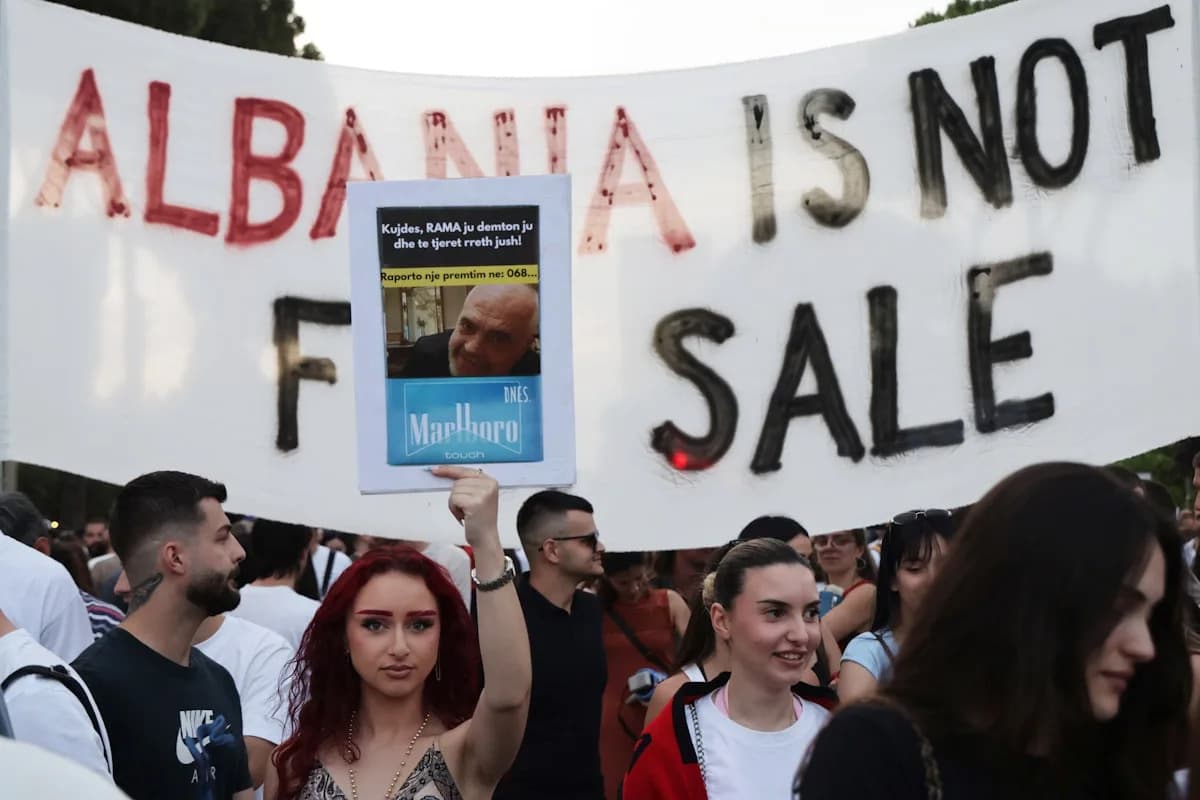
There is a real possibility that firms linked to Jared Kushner have unintentionally helped catalyze a broad popular uprising in Albania. Over recent weeks, mass protests have swept the country — from Tirana to coastal towns and Albanian diasporas abroad — after the government approved luxury coastal developments tied to companies associated with Kushner and Ivanka Trump.
What Set Off the Protests
Authorities granted so‑called “strategic investor” status to Atlantic Incubation Partners, a firm linked to Kushner’s Affinity Partners, clearing the way for an ambitious 10,000‑bed resort on the Narta Lagoon near Vlorë. Other plans include a development on Zvërnec’s protected wildlands and proposals to convert Sazan Island — part of a national park — into a private enclave for wealthy visitors.
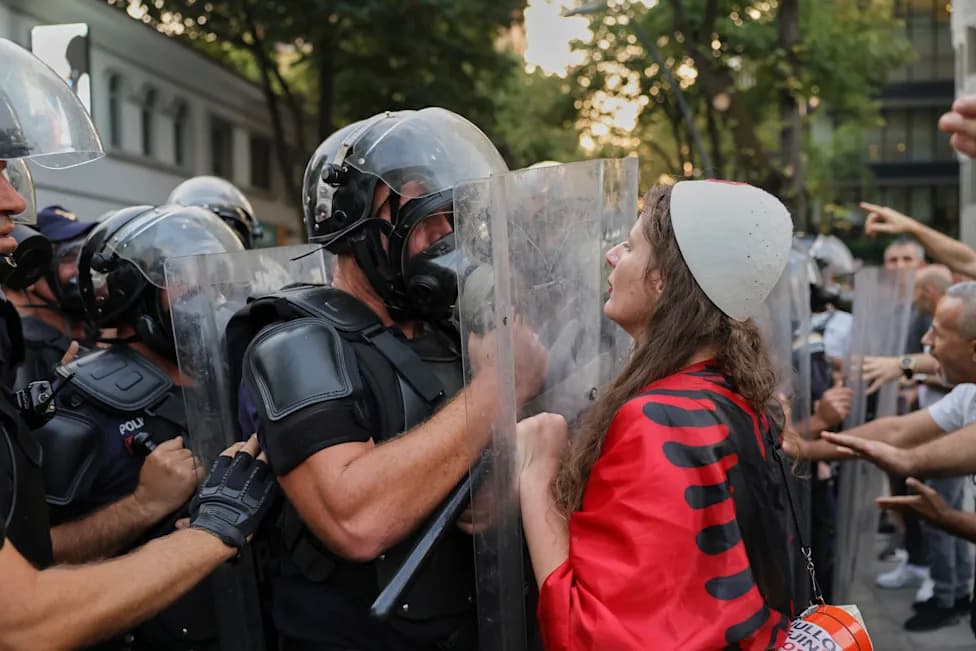
On a single Saturday, as many as 200,000 people marched nationwide. In the northwest, roughly 200 protesters tore down barbed wire around a construction site for an unrelated five‑star resort, demanding compensation for about 200 local families who say their land was seized. Video footage from May 30 showed private guards allegedly beating activists near a fenced development site — images that intensified public outrage and helped fuel the demonstrations.
Environmental Threats—and Broader Grievances
International coverage has emphasized the environmental stakes: the projects threaten rare habitats that support flamingos, the world’s largest freshwater birds, endangered Albanian water frogs and loggerhead turtles. But the protests — popularly called the “Flamingo Revolution” — are about much more than endangered species or high‑profile investors.
“At the core of this protest is not just environmental issues,” said Gresa Hasa, a doctoral researcher at the University of Graz. “This is a fight for freedom and democracy, and a future where the resources and the state work for all of us, and not just for some of us.”
Protesters demand the resignation of Prime Minister Edi Rama, in power since 2013, repeal of the legal framework that enables governments to fast‑track “strategic investors,” and reversal of recent amendments to the Law on Protected Areas and the Law on Cultural Heritage. Demonstrators also call for tougher action against corruption and for restitution or compensation where locals say they’ve lost property.
Politics, Patronage and a Troubled Transition
Albania’s post‑communist transition has left persistent legal ambiguities over land ownership. A controversial 1991 land reform, chaotic privatizations and the pyramid‑scheme era of the 1990s created opportunities for graft, contested property claims and exploitation by well‑funded developers. Critics say that model — a nexus of political elites, developers and foreign capital — has concentrated wealth in construction and luxury tourism at the expense of local rights and public space.
Opposition leader Sali Berisha — himself a target of protesters and until recently under house arrest on corruption charges — and Prime Minister Rama have both courted investors tied to the projects. Rama reportedly met Ivanka Trump and Jared Kushner in Albania and later discussed investment in Davos. The government’s designation of Atlantic Incubation Partners as a strategic investor confers expedited approvals and tax incentives, a major grievance for critics.
Economic Context: Housing, Tourism and Money Laundering Concerns
Protest leaders and analysts point to the construction‑and‑tourism boom as a driver of rising housing costs and social displacement. A Transform Europe report found that average prices per square meter in Tirana reached roughly $1,700 while average monthly salaries stayed under $800, and that a large share of purchases were made by non‑residents. Observers warn that short‑term rentals, speculative buying and opaque capital inflows have made housing unaffordable for many locals.
Smaller parties and movements such as Lëvizja Bashkë (Together Movement) — born of repeated student protests — are calling for a reorientation of investment toward year‑round economic sectors that create better‑paid jobs and reduce emigration.
International Pressure and Uncertain Outcomes
The European Commission warned Albania to “act without delay” to prevent potential breaches of EU environmental rules and to avoid endangering the country’s EU bid. Politico reported — though the claim remained unconfirmed at the time — that Kushner’s Affinity Partners had withdrawn from at least one multibillion‑dollar resort project. Under growing pressure, Prime Minister Rama has denounced the protests as foreign meddling.
Images from the streets, however, show broadly peaceful, family‑friendly demonstrations that bring together left‑wing activists, environmentalists, religious communities, conservatives and others. Protesters say they want a new political model that is less captured by elites and outside money.
Why This Matters
The story connects local environmental and land‑rights issues to broader themes of corruption, global capital flows, and how small democracies manage foreign investment. Whether Kushner‑linked projects were the initial spark or merely the latest flashpoint, the protests reveal deep public anger and a movement that could reshape Albanian politics and its path toward the EU.
Help us improve.