According to a Cubadebate report, Cuba’s health and basic services have been severely strained since energy restrictions began in January. Childhood cancer survival is reported to have dropped from about 85% to 65%, some 100,000 young children lost state milk rations, and roughly 300 of 395 essential domestic medicines are unavailable. Fuel shortages and logistical barriers have also left power plants offline, halved bread supplies and stalled international aid shipments.
Cuba Reports Severe Strain on Health Services After U.S. Energy Restrictions; Child Cancer Survival Drops
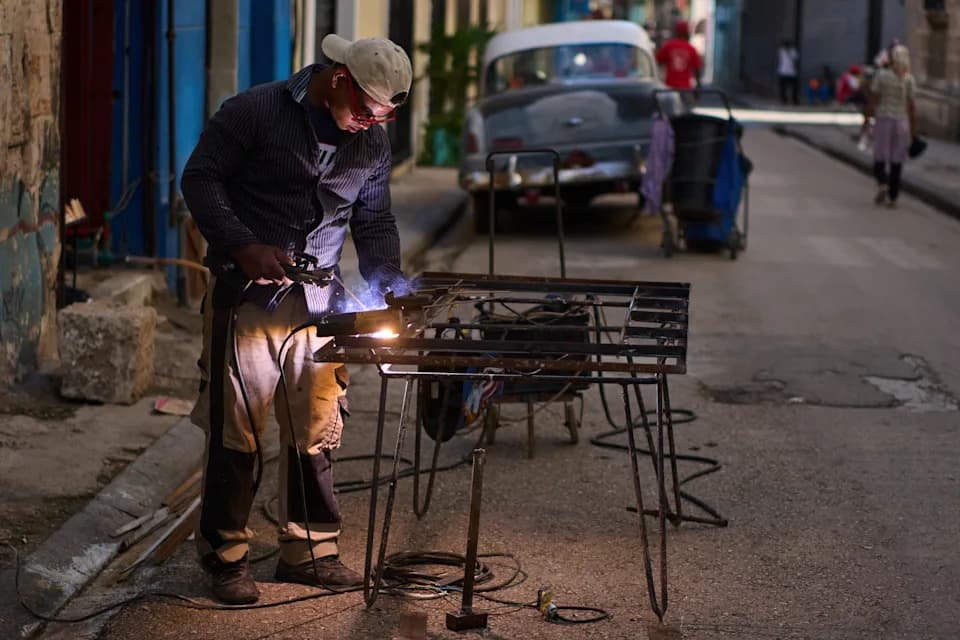
A blacksmith welds a door in Havana, Cuba, Tuesday, June 9, 2026. (AP Photo/Ramon Espinosa)(AP Photo/Ramon Espinosa)
Havana — Cuba’s most vulnerable patients are experiencing acute disruptions to care after energy restrictions that began in January, according to a report published Monday by state-run Cubadebate. The report links shortages of fuel and essential imported inputs with delayed surgeries, interrupted dialysis schedules and a sharp decline in childhood cancer survival rates.
Report Highlights
Childhood Cancer: Cubadebate says the survival rate for children with cancer has fallen to about 65% from roughly 85% before the energy restrictions took effect.
Nutrition and Immunizations: The report states that some 100,000 children under age 7 no longer receive the daily liter of state-provided milk, and that Cuba’s 16-vaccine immunization schedule for infants is now "at risk."
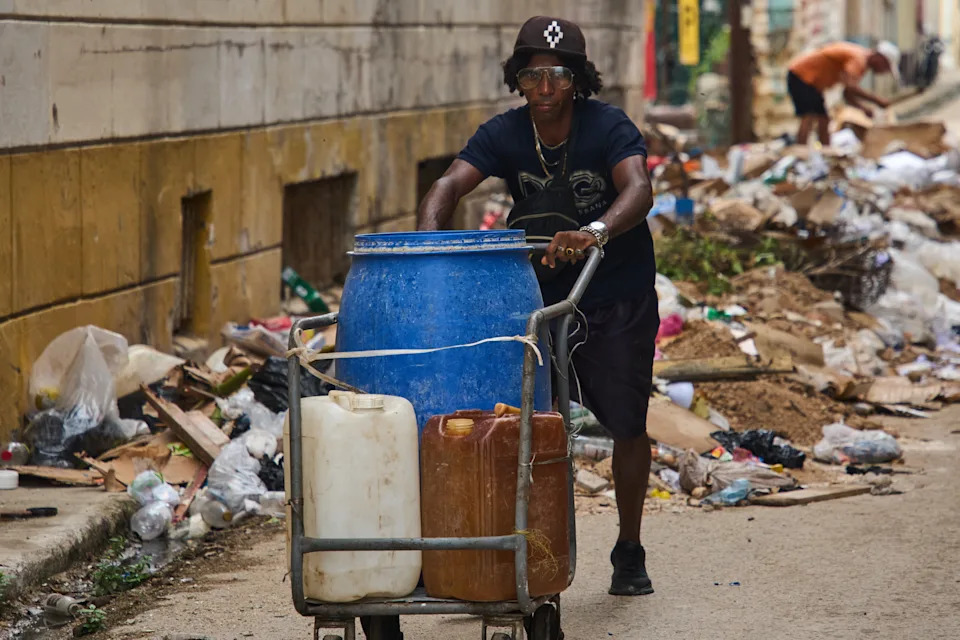
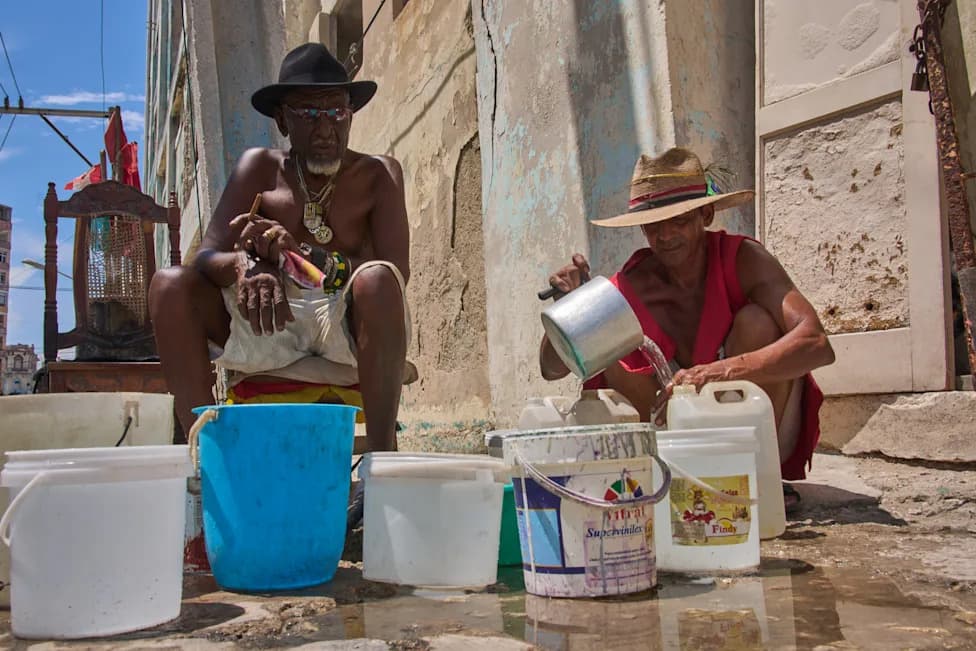
A man pushes a cart of empty containers to fill with water in Havana, Cuba, Friday, June 12, 2026. (AP Photo/Ramon Espinosa)(AP Photo/Ramon Espinosa)
Surgical and Dialysis Disruptions: Another 100,000 people are reportedly on waiting lists for surgery, and treatment timetables for nearly 3,000 patients who require kidney dialysis have been disrupted.
Medicines and Manufacturing: Of 395 essential medicines produced on the island, about 300 are reportedly unavailable because chemical components needed for local manufacturing are missing.
Power and Fuel Shortages: The report says roughly 1,400 megawatts of generating capacity are offline because smaller power plants lack diesel and fuel oil, while larger thermoelectric plants are waiting for spare parts that cannot currently be transported.
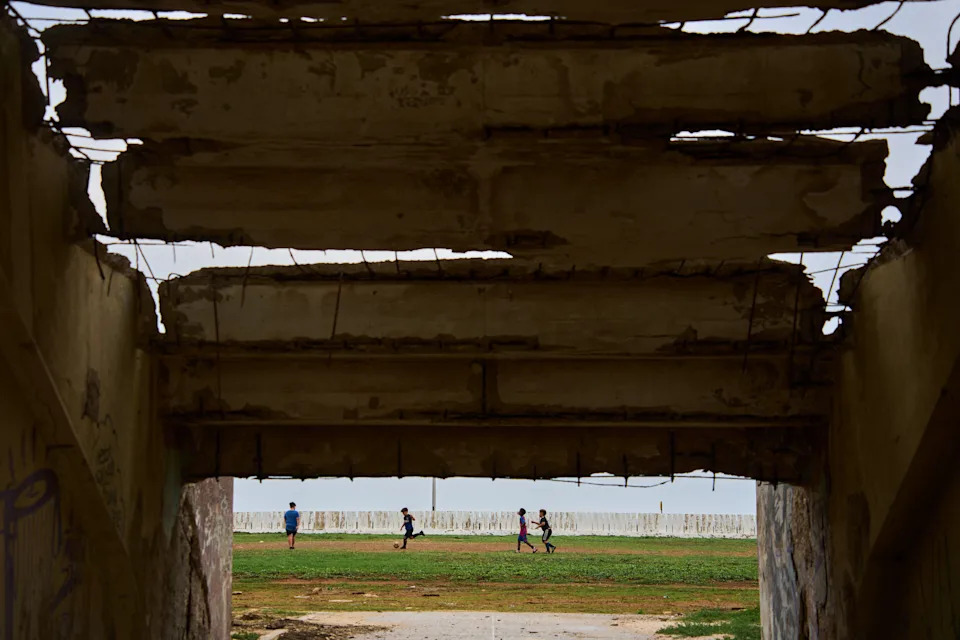
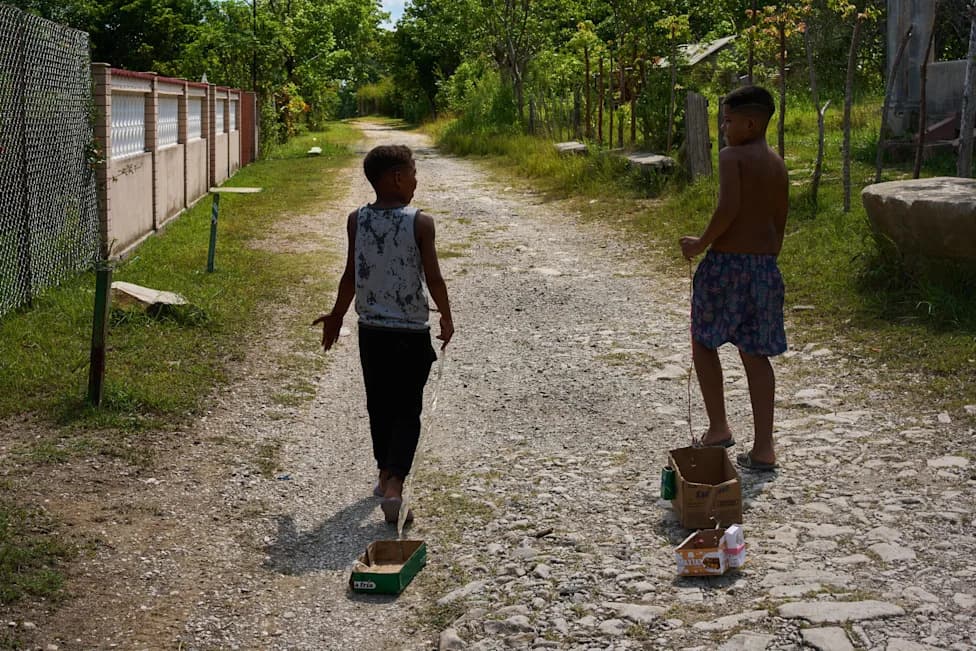
Children play soccer at the sports and recreational complex Parque Deportivo José Martí, in Havana, Cuba, Friday, June 12, 2026. (AP Photo/Ramon Espinosa)(AP Photo/Ramon Espinosa)
Food And Aid Logistics: "Logistical and payment hurdles" in wheat purchases have reduced bread supplies to roughly half pre-restriction levels, and fuel shortages have prevented the distribution of about 170 containers of essential goods. U.N. agencies reported delays that stalled seven consignments of newborn supplies valued at $630,000 and prevented shipment of 2,900 metric tons of contracted food aid.
Context And International Response
The report says the island went without a regular fuel shipment for three months after U.S. measures affecting Venezuela — a key supplier — and warnings of penalties for countries that sell or supply oil to Cuba. Those developments, Cubadebate and its supporters say, compounded longstanding U.S. sanctions that limit the island’s ability to import certain goods.
“What we are experiencing now is a unique situation,” said Paolo Spadoni, an associate professor at Augusta University in Georgia. “There is no doubt that there were problems with healthcare and basic services in Cuba, but there is also no doubt that these recent events have vastly amplified what was already happening, and that we are now in a different dimension.”
Spadoni and the report acknowledge systemic problems inside Cuba and calls for reforms, but they argue that recent external measures have substantially worsened what Cubadebate calls an "acute humanitarian crisis."
"Beyond numbers and coercive measures, the blockade amounts to an extreme and unjustifiable form of collective punishment inflicted on the Cuban people," the Cubadebate report concludes.
United Nations agencies have warned of growing humanitarian risks and say several of their programs face "significant logistical challenges" in delivering aid amid the current constraints.
Help us improve.