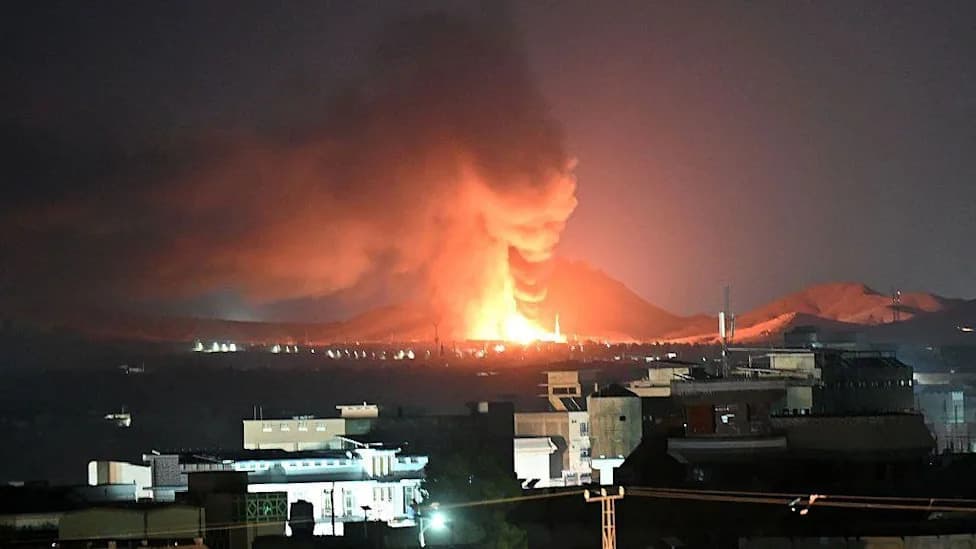
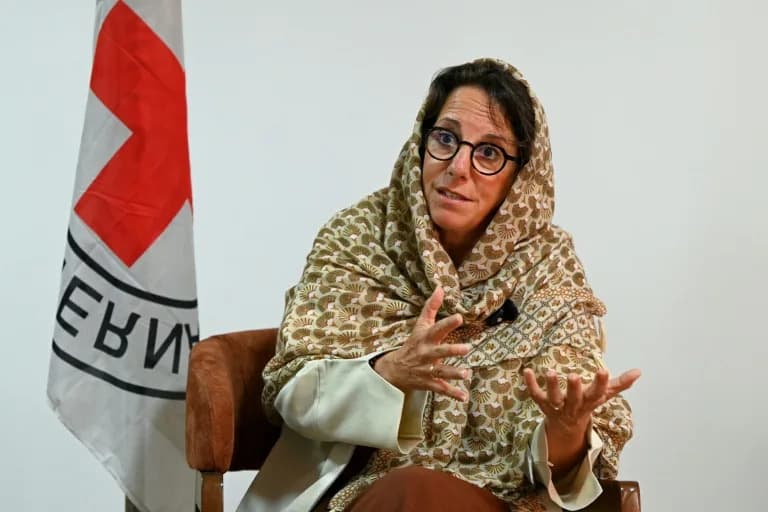
The U.N. Security Council unanimously adopted a resolution urging the Taliban to reverse restrictions on women and to combat militant groups accused of cross-border attacks by Pakistan. The measure extends UNAMA’s mandate through June 17, 2027, and empowers it to support non-discriminatory humanitarian aid, inclusive governance and economic recovery, including returning central bank assets. The vote follows the arrest of at least 30 women in Herat and a protest that was violently dispersed, leaving one dead and several injured.
UN Security Council Urges Taliban To Roll Back Crackdown On Women, Extends UNAMA Through 2027
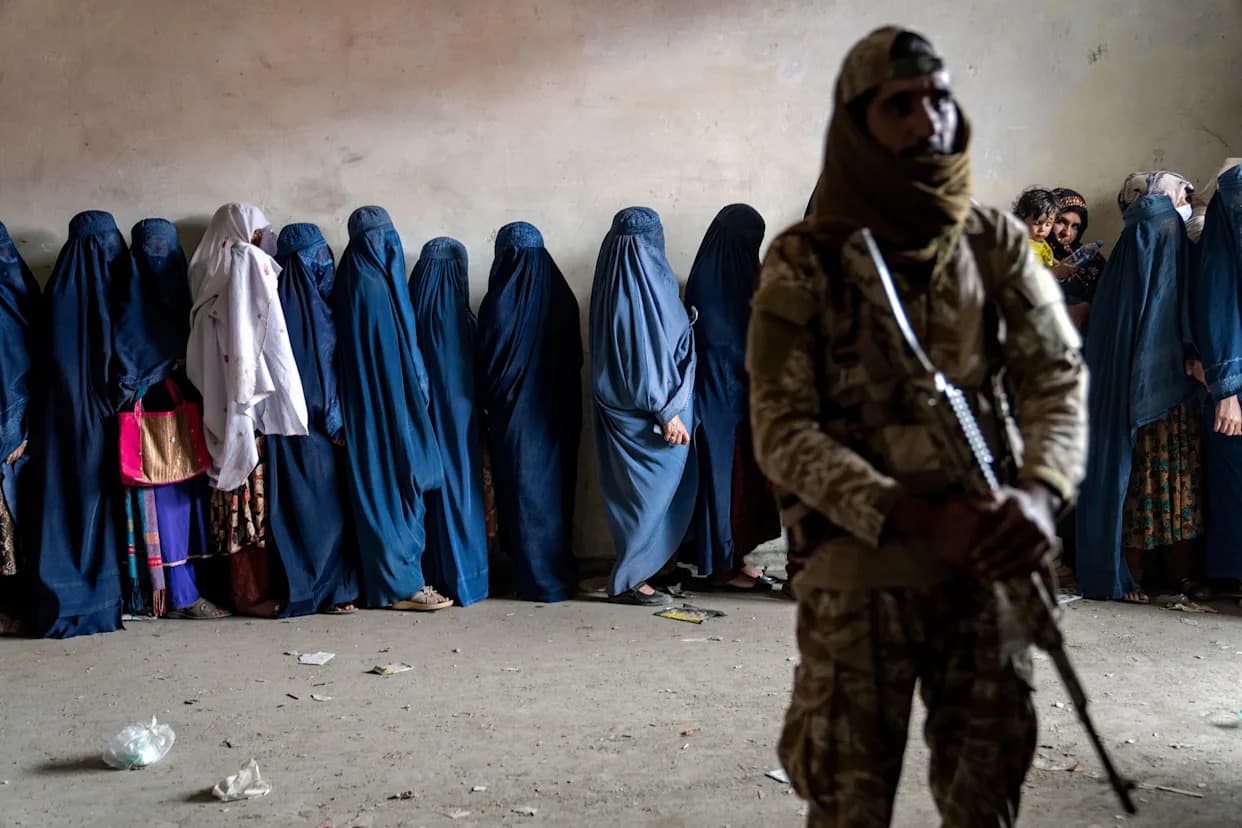
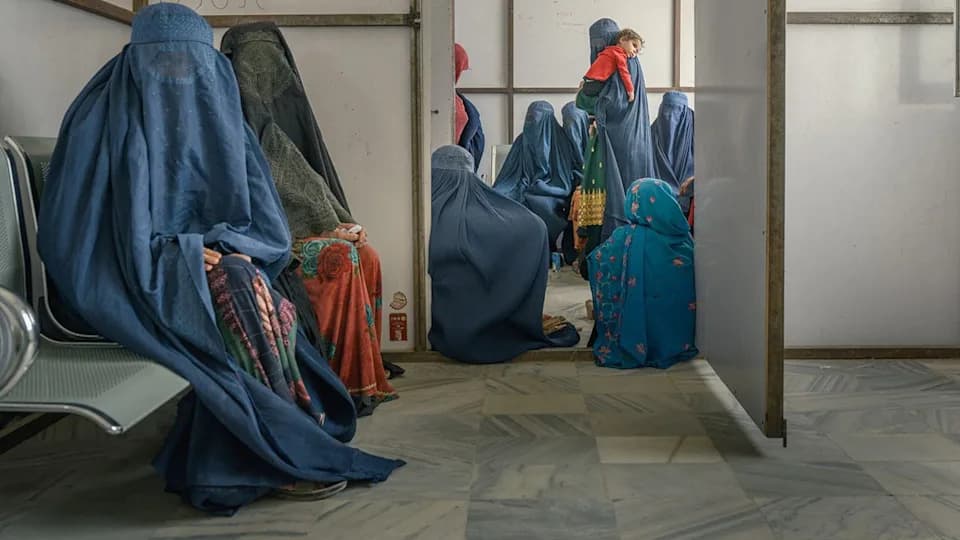
FILE - A Taliban fighter stands guard as women wait to receive food rations distributed by a humanitarian aid group, in Kabul, Afghanistan, Tuesday, May 23, 2023. (AP Photo/Ebrahim Noroozi, file)(AP Photo/Ebrahim Noroozi)
The U.N. Security Council on Monday unanimously approved a resolution urging Afghanistan’s Taliban rulers to quickly reverse measures targeting women and to take action against militant groups accused by Pakistan of carrying out cross-border attacks. The resolution also extends the U.N. political mission in Afghanistan (UNAMA) through June 17, 2027.
What the Resolution Does
The text authorizes UNAMA to support humanitarian aid deliveries "without discrimination" and to promote national and local governance that ensures "the full, equal, meaningful and safe participation of women, ... minorities, youth and persons with disabilities." It permits the mission to facilitate talks between the Taliban, regional neighbors and the broader international community and to help advance Afghanistan’s economic recovery, including efforts to return central bank assets for the benefit of the Afghan people.
Context and Recent Incidents
The resolution’s adoption follows the arrest this month of at least 30 women in the western city of Herat for alleged violations of the Taliban’s strict dress code. A rare protest over those detentions was violently dispersed by Taliban police; according to the U.N. mission (UNAMA), officers shot and killed one person and wounded several others.
The Taliban have governed Afghanistan since 2021 after the chaotic withdrawal of U.S.-led forces and enforce a strict interpretation of Islamic law (Sharia). That approach has led to sweeping restrictions on women and girls, including bans on education beyond primary school and limits on many types of employment. Minority communities have also been affected.
"The hope is that the Afghan government will take more proactive measures to protect human rights, especially the rights of women, and project an image of openness, inclusivity and responsibility," said China’s U.N. Ambassador Fu Cong, who sponsored the resolution.
U.S. Deputy Ambassador Jennifer Locetta warned that "for that political process to succeed, the Taliban must act," calling on the movement to meet counterterrorism commitments, respect international obligations, end hostage diplomacy and cease abuses of women and girls' rights.
Pakistan accuses militants sheltered in Afghanistan of carrying out deadly attacks across the border, an allegation the Taliban denies. Since February, clashes between forces from the two countries have killed hundreds after Afghanistan struck back over Pakistani airstrikes inside Afghan territory. Pakistan’s U.N. Ambassador Asim Ahmad said the resolution reflects the council’s "serious concern over the presence of terrorist groups in Afghanistan" and the threat they pose to regional security.
Why It Matters
The resolution links humanitarian access, governance, counterterrorism and economic recovery. By extending UNAMA’s mandate and broadening its responsibilities, the U.N. aims to maintain international engagement, press for protections for women and vulnerable groups, and reduce regional tensions—while signaling that progress on human rights and counterterrorism is central to future cooperation.
Help us improve.