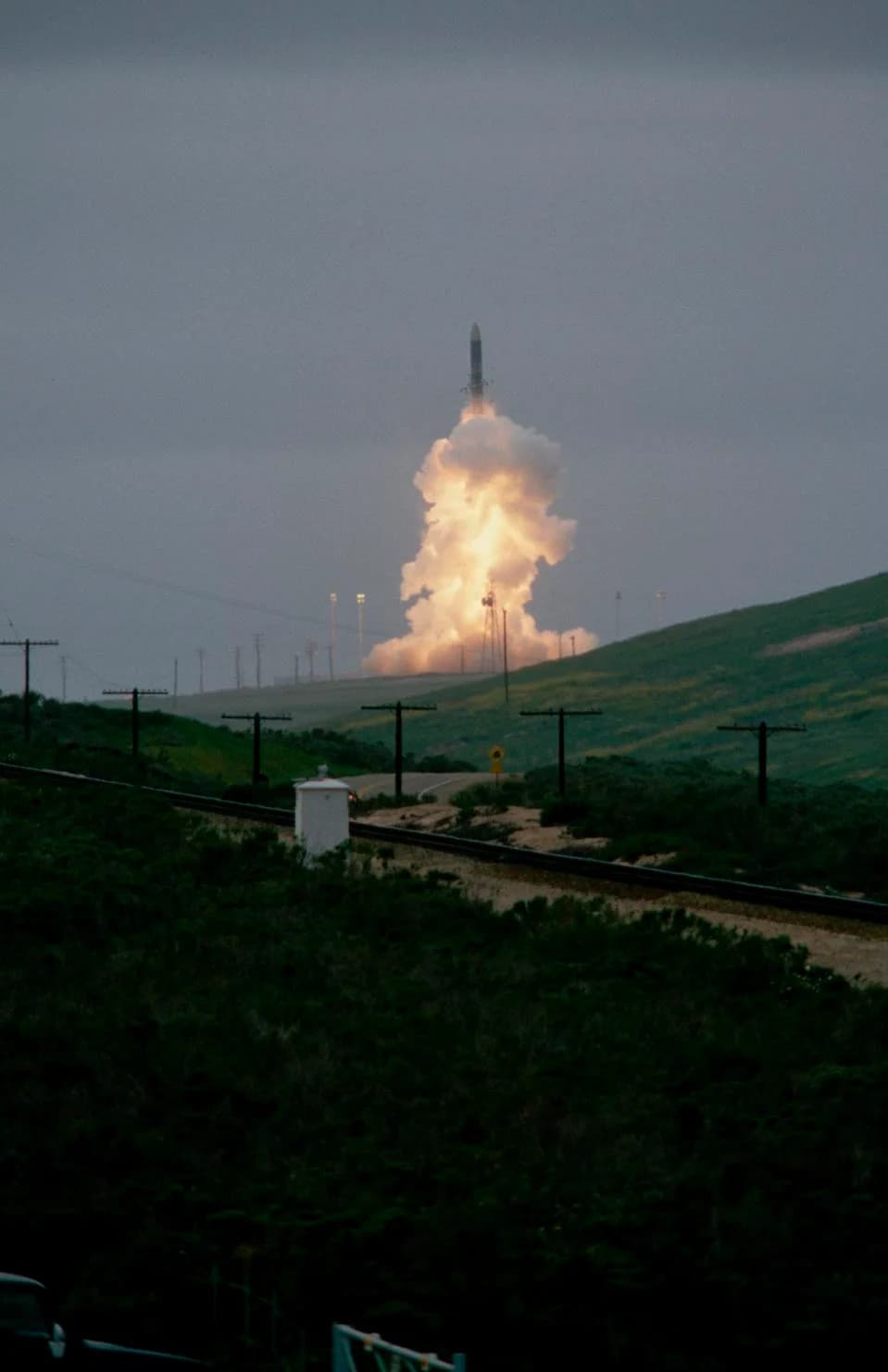
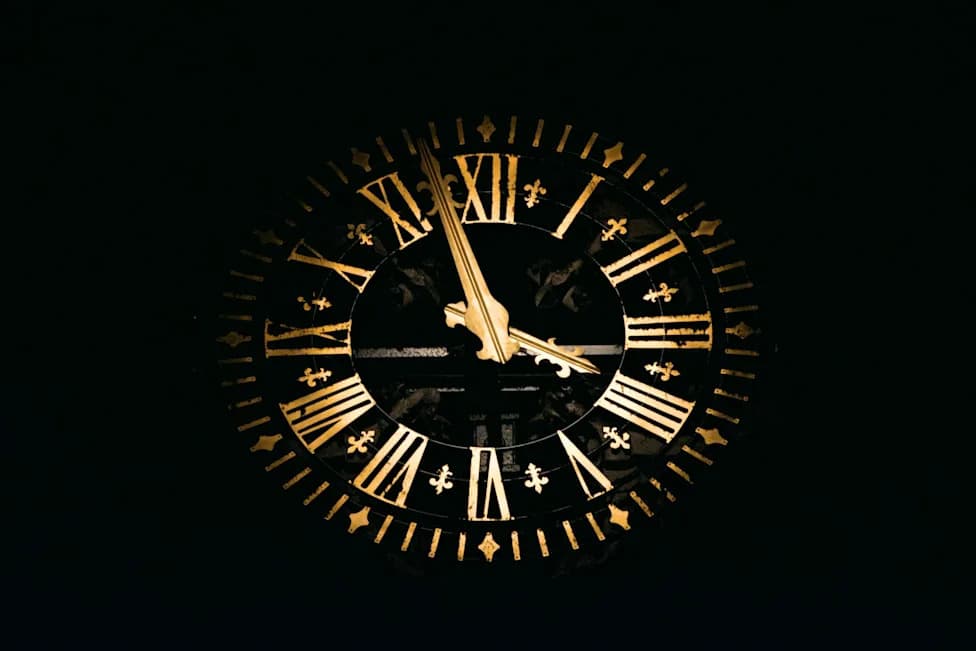
The threat of nuclear catastrophe has increased as major powers expand arsenals, arms‑control treaties lapse and geopolitical tensions rise. SIPRI and ICAN report about 12,187 warheads exist and nuclear spending reached roughly $119 billion last year, with the U.S. spending about $69 billion. The Bulletin of the Atomic Scientists set the Doomsday Clock at 85 seconds to midnight, highlighting elevated miscalculation and escalation risks. Practical steps — renewed dialogue, notification protocols and large arsenal reductions — could significantly lower the danger if political will and public pressure follow.
Nuclear Risk Nears Historic High — How We Can Reduce the Danger
Photo illustration by Salon/Getty Images
Half a lifetime ago I worked a dull copyediting shift that required a 90-minute drive across Phoenix’s endless concrete sprawl. The job was soulless; the drive home in a heat-soaked, air-conditioning–free beater took another hour and a half. I would come in, crack open several Miller High Lifes and watch honeybees forage on the invasive London rocket in my backyard. Seeing those fuzzy pollinators shuttle between tiny yellow blooms made my troubles seem smaller: if bees and weeds could manage to survive in an overheated world, perhaps I could, too.
But for anyone paying attention, the present moment feels unusually grim. It’s not only the 24/7 churn of cable news and social media amplifying bad news; war, genocide, authoritarianism and ecological collapse are increasing in scope and intensity. The combined effect is that the possibility of global catastrophe looks greater than at almost any prior moment in modern history.
The scale of the problem
The danger from nuclear weapons is easy to overlook but is at least as alarming — and possibly more so — than climate change, unregulated artificial intelligence, or emerging pandemics. A recent report from the Stockholm International Peace Research Institute (SIPRI) documents backsliding on virtually every measure of nuclear proliferation. Nine countries now hold nuclear arsenals — the United States, Russia, the United Kingdom, France, China, Pakistan, India and North Korea — and every one is modernizing or expanding stockpiles that together total roughly 12,187 warheads.
Arms-control efforts are weakening as key treaties lapse. On June 9, the International Campaign to Abolish Nuclear Weapons (ICAN) reported that the nine nuclear states collectively spent about $119 billion on nuclear forces last year; the United States accounted for roughly $69 billion of that total, more than the other eight nations combined. The detonation of even a single warhead would inflict devastation on a scale that is difficult to imagine and could trigger an escalatory cascade that might render large swaths of the planet uninhabitable.
The Bulletin and the Doomsday Clock
In the aftermath of the Manhattan Project, scientists and public intellectuals moved quickly to warn the public about the stakes. From those efforts grew the Bulletin of the Atomic Scientists, a nonprofit scholarly journal that highlights nuclear risk, climate change, biological threats and disruptive technologies. The Bulletin is best known for the Doomsday Clock, a symbolic gauge of how close humanity is to global catastrophe. In January 2026 the clock was set at 85 seconds to midnight — its nearest reading yet — underscoring the scale of the risk.
John Mecklin, who has led the Bulletin as editor in chief for 15 years, is retiring. In a recent interview he discussed how to counter despair, the heightened dangers tied to current conflicts (including tensions around Iran) and the practical steps that could reduce nuclear risk.
Why the risk is rising
Mecklin attributes most of the increased danger to weak leadership and the erosion of long-standing arms‑control mechanisms. Treaties that once constrained arsenals have been allowed to lapse, and major powers are engaged in a renewed, costly arms competition. These dynamics intersect with troubling political choices — from rolled-back climate policy to dramatic proposed increases in defense spending — and with a media environment that often fails to prioritize slow-moving, complex threats.
He cites concrete examples, such as U.S. plans to restart production of plutonium pits (the triggers for nuclear warheads) despite credible analyses showing existing pits in storage remain stable. Billions are being allocated for new production facilities largely because of local economic and political incentives, not because the weapons are needed for deterrence.
Paths to catastrophe: miscalculation and escalation
Mecklin stresses that the most plausible routes to nuclear catastrophe are not a calculated, full-scale first strike — which would be suicidal — but miscalculation, false alarms or limited “tactical” uses that rapidly escalate. Command-and-control arrangements vary between countries; in some cases battlefield commanders can authorize use of tactical nuclear weapons with limited central oversight, raising the probability of an uncontrolled incident. Regional flashpoints such as South Asia, Ukraine, and tensions involving Iran magnify the danger.
"The risk isn’t just a purposeful sneak attack — it’s a miscalculation, a false alarm, or a limited use that escalates," Mecklin said. "There are practical measures that could reduce these risks, but they’re not being pursued aggressively enough."
Practical steps forward
Mecklin argues for pragmatic, achievable measures to lower the odds of catastrophe: reestablishing dialogue among nuclear powers, renewing or extending arms‑control arrangements, adopting routine notification protocols to reduce false‑alarm risks, and pursuing substantial reductions in deployed arsenals. While going to zero worldwide is politically and technically complex, substantial cuts and improved safeguards would materially reduce risk.
History shows progress is possible: in the early 1990s U.S. and Russian leadership achieved dramatic unilateral reductions by agreement among top advisers. The obstacle today is political will — a shortage of leaders willing to resist vested economic interests and take the steps needed to reduce existential risk.
On anxiety and agency
Many people feel anxiety about the prospects of nuclear catastrophe. Mecklin rejects despair as a default: informing the public, improving journalism and activism, and pressuring politicians are practical ways to reduce risk. The technical and diplomatic tools exist; what’s missing is sustained public engagement and wiser political leadership.
In short: the world stands at a dangerous inflection point — arsenals are growing, key treaties are eroding, and geopolitical tensions are high — but concrete, practical steps exist to lower the odds of accidental or limited uses escalating into global catastrophe. What is needed now is political will, clearer public attention, and coordinated action.
Help us improve.