The Doomsday Clock now reads 85 seconds to midnight, the closest in its history, and an online poll shows 79% of 2,098 respondents expect it will move even closer when the Bulletin updates the clock in January 2027. Established in 1947, the clock symbolizes humanity's proximity to global catastrophe. The Bulletin's Science and Security Board — which includes 13 Nobel laureates — cited nuclear aggression, weakening arms-control agreements and Middle East escalation in its 2026 assessment. The clock has been moved 16 times closer and eight times farther since its creation.
Will the Doomsday Clock Move Closer to Midnight in 2027? Most Voters Say Yes
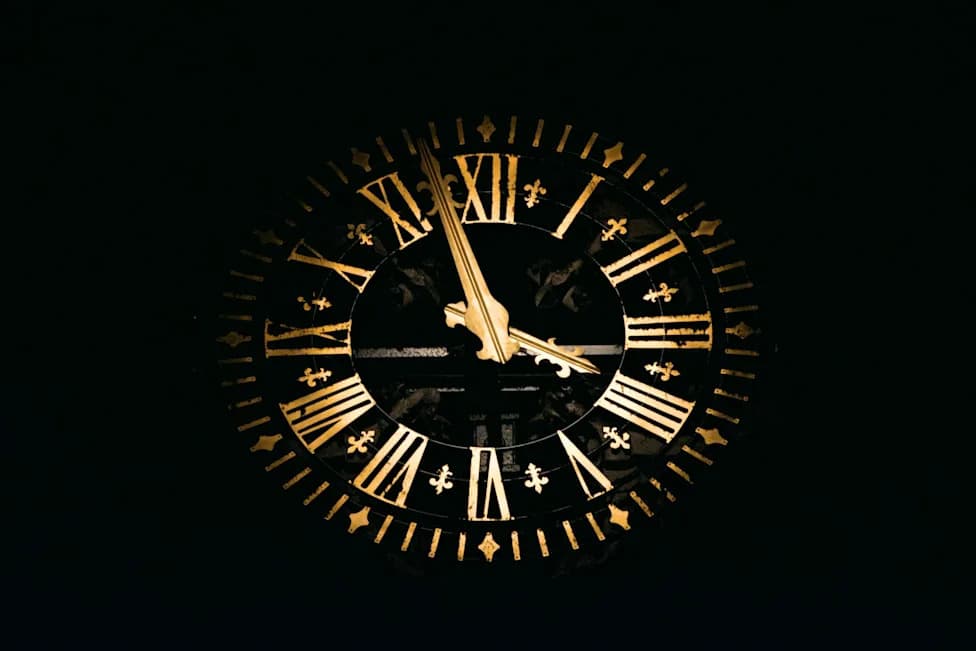
(Photo byThomas BormansviaUnsplash)
By Lauren Wilkin
The Doomsday Clock currently stands at 85 seconds to midnight — the closest to catastrophe it has ever been — and a strong majority of online respondents expect it to move even nearer when the Bulletin of the Atomic Scientists updates the clock in January 2027.
Created in 1947 as a symbolic measure of the danger posed by early Cold War nuclear tensions between the United States and the Soviet Union, the Doomsday Clock represents humanity's proximity to global catastrophe, with midnight symbolizing total devastation.
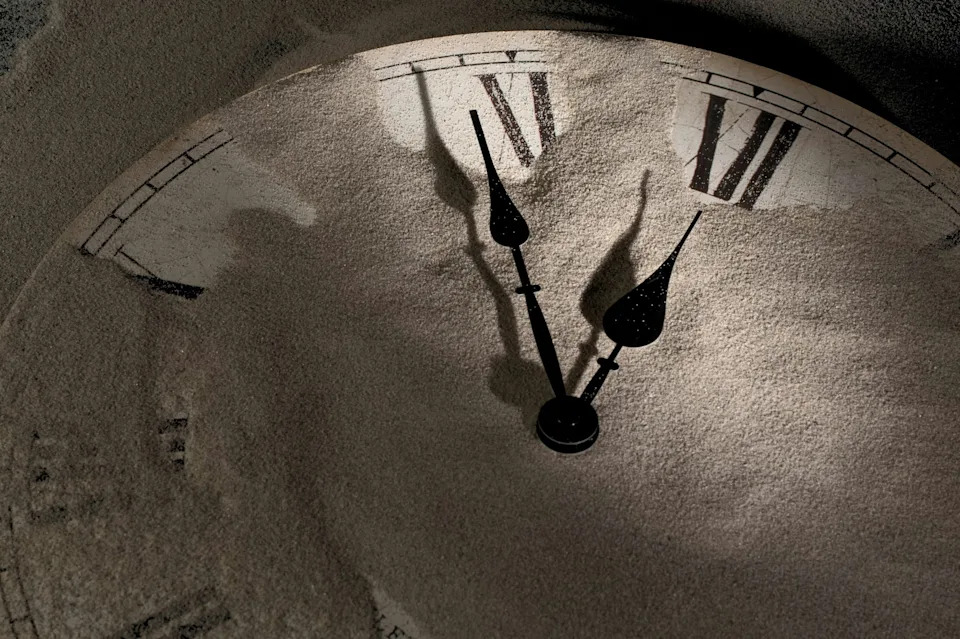
(Photo byImmo WegmannviaUnsplash)
In 2023 the clock was moved to 90 seconds to midnight following Russia's invasion of Ukraine and the resulting spike in nuclear tensions. In 2026 the Bulletin moved it again to 85 seconds, setting a new record for closeness to midnight.
Why the Clock Is So Near Midnight
The Bulletin's Science and Security Board evaluates threats across three main categories: nuclear risk, climate change and disruptive technologies. For the 2026 assessment the board cited “aggressive behavior by nuclear powers,” the fraying of nuclear arms-control agreements and escalating conflict in the Middle East as major factors pushing the clock forward.
The board includes 13 Nobel laureates and meets twice a year to review global risks and recommend whether the clock should be adjusted. As the Bulletin stresses,
“The Doomsday Clock is not a prediction — it's a warning.”
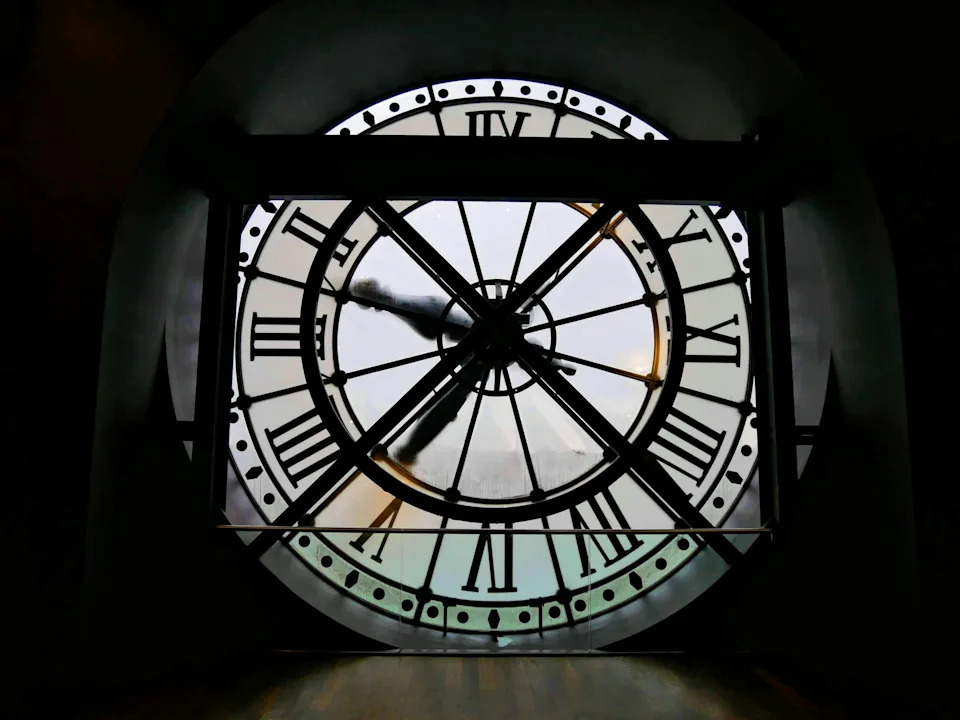
(Photo byCatrina CarriganviaUnsplash)
What Voters Are Saying
An interactive poll on the Bulletin's website shows that 2,098 people have submitted predictions about the clock's next move. Of those respondents, 79% believe the clock will tick closer to midnight in January 2027, 8% expect no change, and 13% expect it to move farther away.
Since its creation in 1947, the Doomsday Clock has been moved 16 times closer to midnight and 8 times farther, a record that reflects changing assessments of global danger over the decades.
The next formal decision about the clock will come in January 2027. Meanwhile, the interactive poll offers a snapshot of public concern about the growing risks that the Bulletin's experts monitor.
Help us improve.