Proposals to create a four‑star combatant command for robotic and autonomous systems mistake tools for missions and risk creating operational seams. Autonomous and AI‑enabled platforms deliver value only when integrated into joint campaigns across air, land, sea, space, and cyber. Instead of a new technology‑centric headquarters, Congress should require common architectures, theater‑driven experimentation, acquisition pathways tied to operational problems, and clear authorities so commanders can employ these systems at speed.
Don’t Build a Combatant Command Around a Tool: Integrate Autonomy Into Joint Warfighting
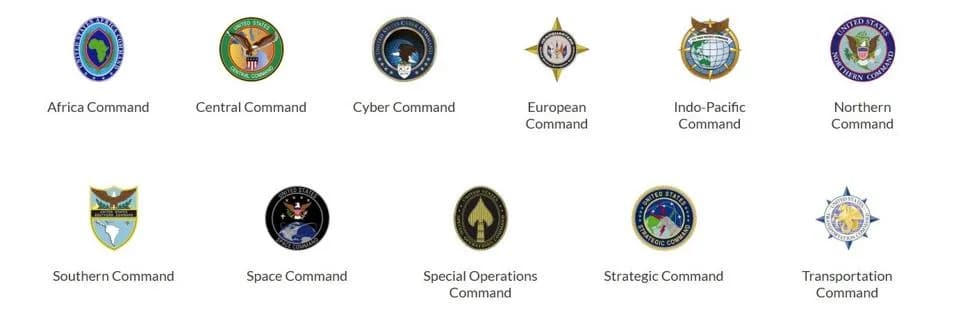
Current Combatant CommandsImage DoD (2025)
The U.S. military should accelerate development and deployment of autonomous and AI‑enabled systems—they will be critical to deterring and, if necessary, defeating advanced adversaries. But Congress’s recent proposal to create a new four‑star combatant command dedicated to robotic and autonomous systems would get the organization question backward.
Why a Technology‑Specific Command Is Risky
Reports indicate the Senate Armed Services Committee considered legislation to centralize acquisition and operational control of uninhabited systems under a single four‑star commander. The impulse for urgency is justified: the Department of Defense (DoD) has been too slow to field affordable, attritable, and scalable autonomous capabilities. Yet organizing operational control around a category of tools rather than missions risks undermining joint effectiveness.
Tools Are Not The Mission. Autonomous and AI‑enabled systems are means to an end—they help commanders find, fix, track, target, engage, assess, maneuver, protect, sustain, and communicate. Their value is realized only when embedded in integrated joint concepts of operations, not siloed in a separate headquarters.
Operational Integration, Not Organizational Separation
Geographic combatant commanders need the full spectrum of capabilities—air, land, maritime, space, cyber, electronic warfare, intelligence, long‑range strike, logistics, communications, and both inhabited and uninhabited platforms—available to orchestrate effects across domains. Creating a new technology‑centric combatant command would introduce seams in command and control, complicate tasking and authorities, and slow decision making at the precise moments when speed and integration matter most.
In a high‑end fight, an autonomous aircraft, an uninhabited maritime system, a cruise missile, a space sensor, and a logistics drone could all be part of the same kill chain. Their effectiveness depends on connectivity to sensors, shooters, commanders, networks, EW systems, and sustainment.
For example, collaborative uninhabited aircraft will likely deliver their greatest effect when teamed with inhabited platforms; underwater autonomous vehicles are most useful when integrated with surface ships and submarines. That requires shared training, common tactics, interoperable architectures, and aligned command relationships—not new stovepipes.
Acquisition Versus Employment
Building a weapon‑oriented headquarters risks conflating acquisition priorities with theater requirements. A separate command could incentivize programs that fit bureaucratic boxes rather than solving combatant commanders’ operational problems. The real need is authorities, incentives, and accountability to field capability at speed and scale—and to field the right systems for the fight at hand.
Practical Steps Congress Should Favor
- Require common architectures and data standards so systems interoperate across services and domains.
- Mandate large‑scale, theater‑relevant experimentation tied to combatant command war plans.
- Set fielding goals tied to operational problems (not technology categories) and accelerate acquisition pathways for successful prototypes.
- Require joint exercises that integrate autonomous systems into air, maritime, land, space, cyber, and electromagnetic warfare operations.
- Clarify authorities so commanders can employ autonomous systems at operationally relevant speed.
Keep Operational Control Tied To Missions. The Goldwater‑Nichols framework is instructive: the services organize, train, and equip; combatant commands integrate components and capabilities to achieve assigned objectives. Autonomy should be a core element of joint warfighting—embedded across services and commands—rather than isolated under a technology‑specific headquarters.
Autonomy and AI will shape the future of warfare. Precisely because of that, they must be integrated into joint force operations—not segregated away from the commanders who must employ them.
Originally published on Forbes.com.
Help us improve.