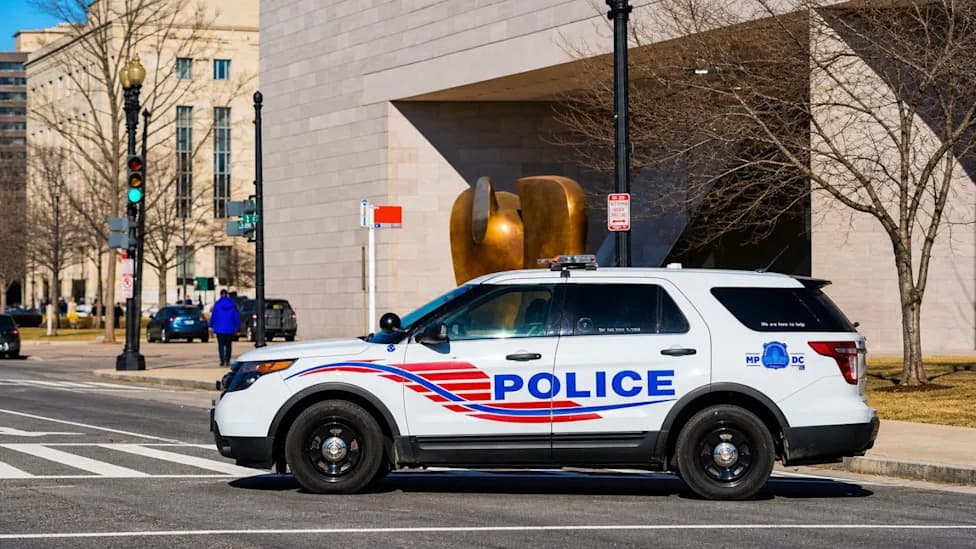
Investigators found nearly 200 MPD vehicles parked and out of service at a Northeast D.C. fleet facility. Of 533 marked patrol cruisers, 81 were removed from service this year, and fleet availability has missed MPD's 95% target for three straight years, dipping as low as 88%. Maintenance costs approached $17 million over two fiscal years while Vector Fleet Management — now owned by Amerit Fleet Solutions — manages the contract and has billed the city millions. The District plans to buy 184 new patrol vehicles for $18 million, but those purchases will not immediately close the operational gap.
D.C. Police Fleet in Crisis: Nearly 200 Vehicles Sidelined as $17M Is Spent on Repairs
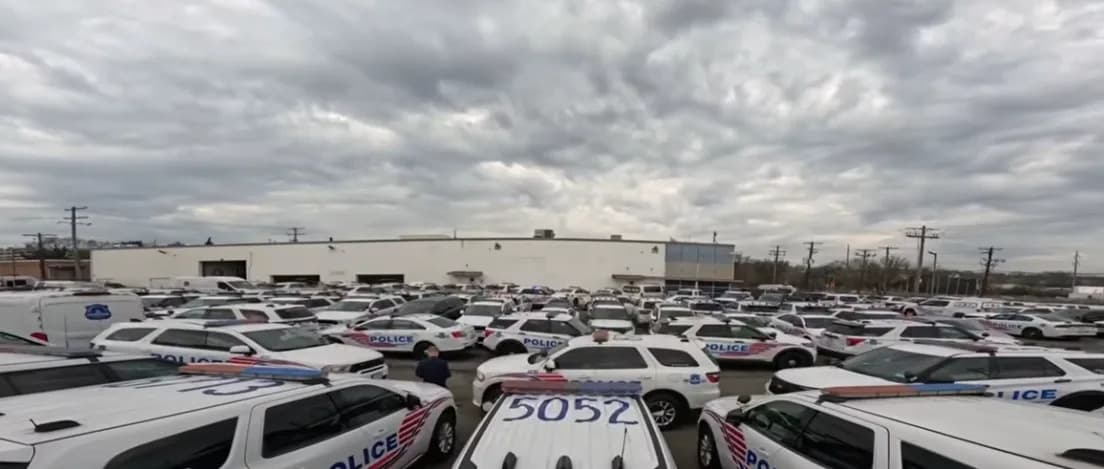
Image Credit: ABC 7 News - WJLA / YouTube.
Washington, D.C. — The Metropolitan Police Department's vehicle fleet is operating well below expectations, with nearly 200 units parked and out of service at the Northeast fleet facility, according to a 7News I-Team investigation. While residents call 911, dozens of marked cruisers, vans and specialty vehicles are sidelined for maintenance, creating an operational strain on patrol coverage.
What the Investigation Found
Of MPD's 533 marked patrol cruisers, 81 were pulled from service for repairs this year — roughly one in seven patrol cars. At one point in the Third District nearly one in four marked patrol vehicles was unavailable. Overall fleet availability has declined for three straight years and has repeatedly missed MPD's 95% target; investigators observed availability drop to about 88% before briefly rising to 91% after the issue drew public attention.
Cost, Contract and Contractor Questions
Maintenance spending has surged to nearly $17 million over the past two fiscal years — about $5,100 per vehicle per year when averaged across a roughly 1,640-unit fleet. MPD's fleet maintenance contract is managed by Vector Fleet Management, a vendor paid up to $8.5 million annually; Vector had billed the District more than $3.5 million through May of the current fiscal year. In February 2025 Vector was acquired by Amerit Fleet Solutions, a transition whose impact on the backlog is unconfirmed but notable for oversight officials.
Maintenance Failures and Operational Impact
Repair logs reviewed by reporters documented a range of critical failures: vehicles that would not start, broken air conditioning, malfunctioning sirens, cars stuck in gear, and patrol vehicles discovered with rodent infestations. These issues are not isolated but recurring, forcing officers to compete for usable cars and prompting some to be reassigned to bicycle and foot patrols. MPD declined to disclose how many officers or which neighborhoods were affected, citing operational security.
"A department that lists roughly 1,640 units but cannot reliably keep patrol cars on the road faces real operational and public-safety consequences," the I-Team report concluded.
Responses and Next Steps
DC Council member Brooke Pinto, who oversees MPD's budget, said through her office she is working with the department to address shortages and secure funding. The District plans to spend $18 million this year to purchase 184 new patrol vehicles, a substantial investment that should help once new units arrive — but it does not resolve the immediate gap in capability.
MPD's staffing is also strained: the department employs just over 3,100 sworn officers, down from about 3,650 in 2020 and short of the city's stated goal of 4,000. Fewer officers, fewer functioning vehicles and an underperforming maintenance pipeline have combined to erode public confidence and raised questions about contract enforcement, procurement timelines and oversight.
Accountability Questions Remain
Neither MPD leadership nor the fleet contractor provided on-camera explanations for the backlog when reporters sought comment. With millions spent and availability goals missed repeatedly, oversight officials and the public are pressing for clarity on contract benchmarks, penalties for nonperformance, and a concrete timeline for returning vehicles to service.
What to watch next: delivery and deployment of the 184 replacement vehicles, any contract performance reviews or penalties, and whether the contractor's corporate transition affects repair throughput.
Help us improve.