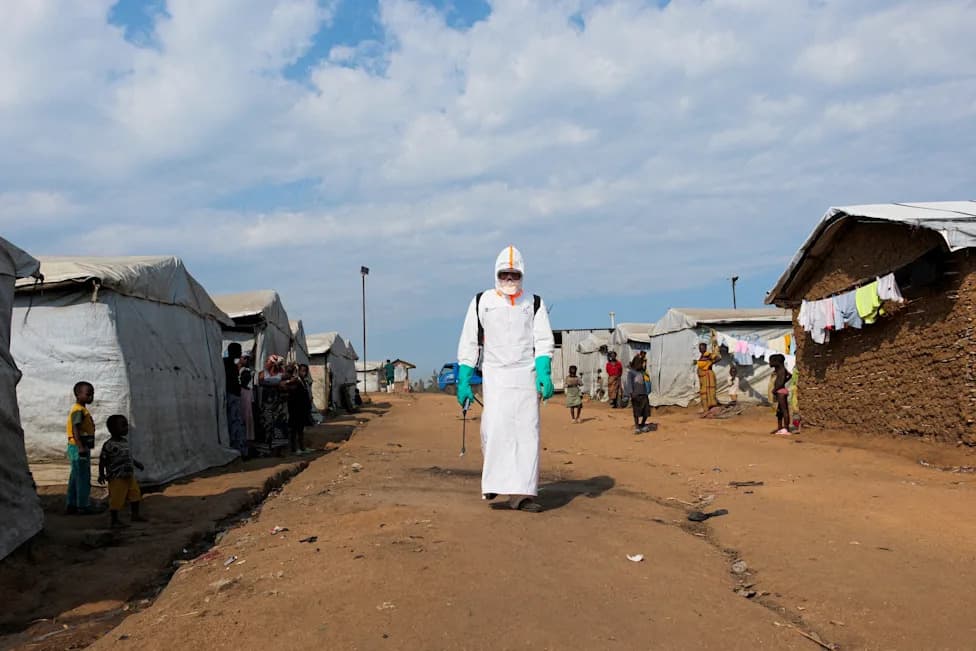
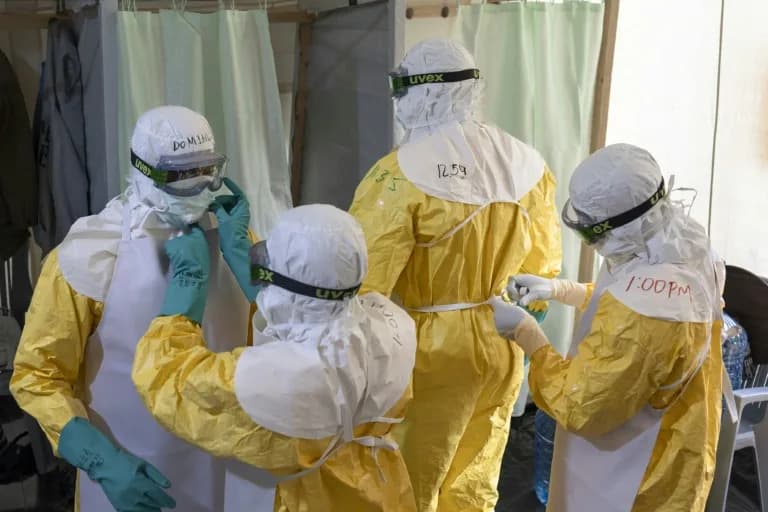
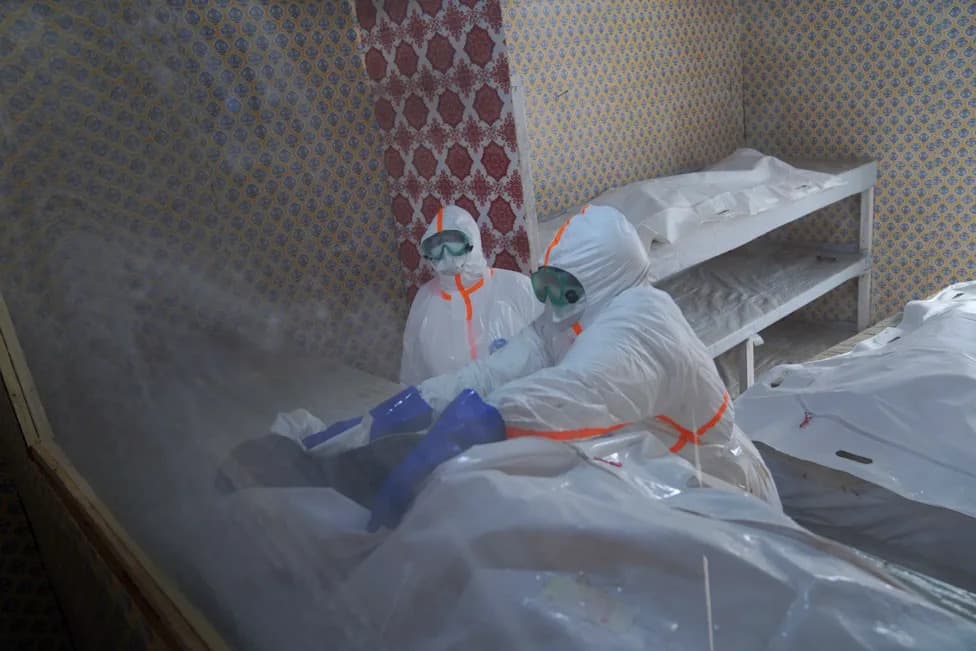
Doctors Without Borders (MSF) says "dangerous gaps" in the Ebola response are letting the outbreak in the DRC outpace containment efforts. Testing and contact tracing are major weaknesses, treatment centres in Ituri are overwhelmed, and many cases likely go undetected. The outbreak involves the Bundibugyo strain, which has no approved vaccines or specific treatments, and experts warn it could escalate without urgent improvements.
MSF Warns of "Dangerous Gaps" as Ebola Outpaces Response in DRC
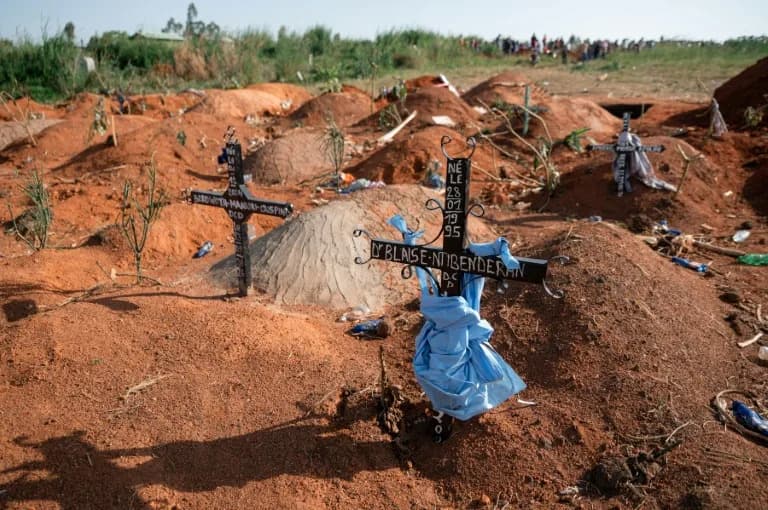
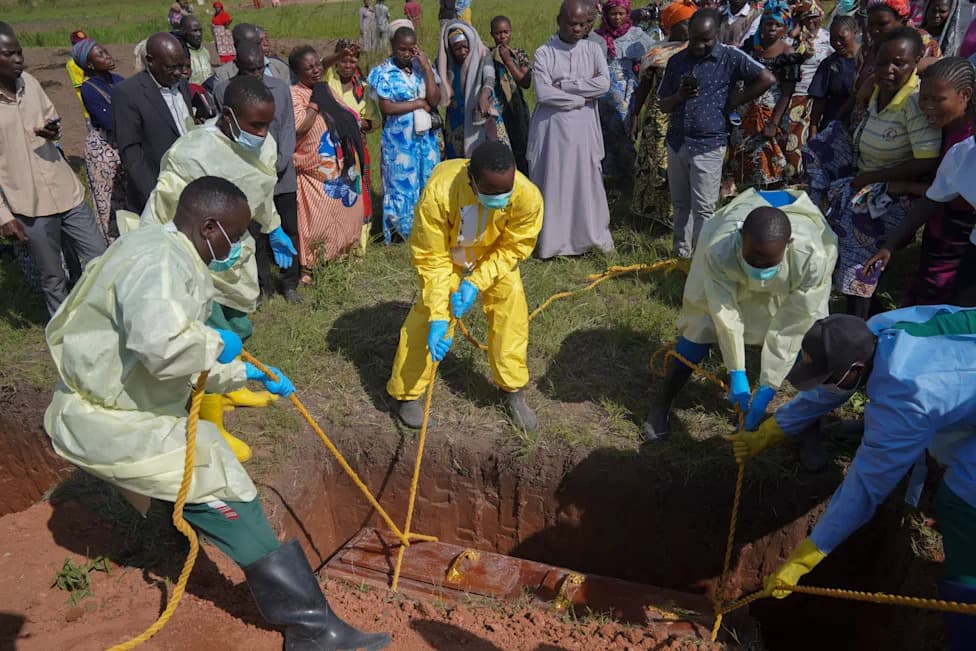
The Nyamurongo cemetery, one of the burial sites in the Congolese east receiving a large number of people who have died from Ebola (Jospin Mwisha)(Jospin Mwisha/AFP/AFP)
Doctors Without Borders (MSF) has warned that "dangerous gaps" are hampering efforts to control an Ebola outbreak in the Democratic Republic of Congo (DRC) that has so far claimed more than 180 lives. Despite a large-scale response since the outbreak was declared on May 15, MSF says the true scale and spread of the crisis remain unclear.
Response Struggling to Keep Up
MSF's emergency medical coordinator in the DRC, Kate White, said:
"One month on, the Ebola disease outbreak is outpacing the response effort. No-one knows the true scale or exactly where the disease is spreading."
Most treatment centres in Ituri province are overwhelmed, many patients arrive late in the course of their illness, and the majority of those seeking care were not previously identified or monitored as contacts, MSF warned.
Confirmed Cases and Spread
According to the World Health Organization's latest figures, there have been 782 confirmed cases in the DRC, including 181 deaths. An additional 19 cases, including two deaths, have been confirmed in neighbouring Uganda. MSF cautions that the real number of infections and fatalities is likely higher.
Testing, Labs and Insecurity
The outbreak involves the Bundibugyo strain, for which there are currently no approved vaccines or specific treatments. MSF highlighted testing as one of the most significant weaknesses in the response: although laboratory capacity has been increased and mobile test kits specific to Bundibugyo have started arriving, many communities still lack access. Treatment centres are facing significant delays in receiving lab results, and in North Kivu there is only one laboratory capable of testing blood samples.
Insecurity in some affected areas makes it difficult to reach communities and carry out case detection, contact tracing and monitoring. Even in more stable zones, detection and testing efforts remain insufficient, increasing the risk that cases continue to spread undetected.
Why This Matters
Ebola spreads through close contact and bodily fluids and can cause fatal haemorrhagic fever. Over the last 50 years, Ebola has killed more than 15,000 people across Africa. The DRC's deadliest recent outbreak (2018–2020) resulted in nearly 2,300 deaths out of about 3,500 cases. Experts warn that without urgent improvements to testing, contact tracing and treatment capacity, the current outbreak could grow and risk rivaling the scale of the 2014 West Africa epidemic.
MSF's call to action: expand and decentralize testing capacity, fast-track delivery of mobile test kits, increase support to overwhelmed treatment centres in Ituri, and strengthen contact tracing even in insecure areas.
Help us improve.