The United States and Iran have reached a peace agreement that ends military operations on all fronts, potentially ending more than three months of conflict in the Middle East. UN Secretary-General Antonio Guterres called the deal a "critical step" toward a peaceful settlement. European leaders urged reopening the Strait of Hormuz and raised concerns about Iran's nuclear and ballistic programs. Several countries offered support for safe navigation and mine clearance while urging continued diplomacy and vigilance.
US–Iran Peace Deal Prompts Global Reactions: Calls To Reopen Strait Of Hormuz And Address Nuclear Concerns
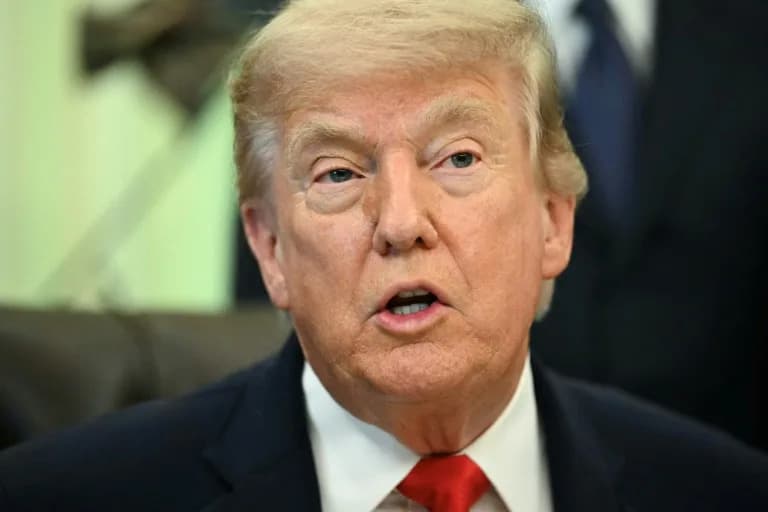
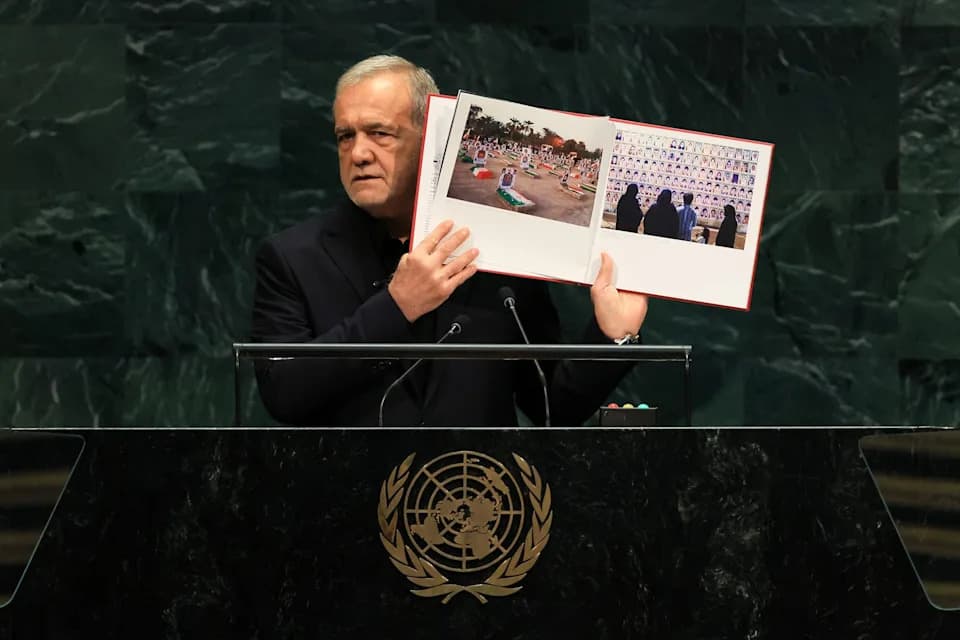
US and Iran agree to a peace deal and an end to military operations on all fronts, signalling the apparent end to more than three months of war in the Middle East (Kent NISHIMURA)(Kent NISHIMURA/AFP/AFP)
The United States and Iran have agreed a peace deal to end military operations on all fronts, appearing to bring more than three months of fighting in the Middle East to a close. Governments and organisations around the world responded with cautious welcome, calls for confidence-building measures and warnings about remaining risks.
Official Reactions
UN — "Critical step": Secretary-General Antonio Guterres welcomed the agreement as a "critical step towards the peaceful settlement of the conflict," urging all parties to pursue diplomacy to secure a lasting resolution.
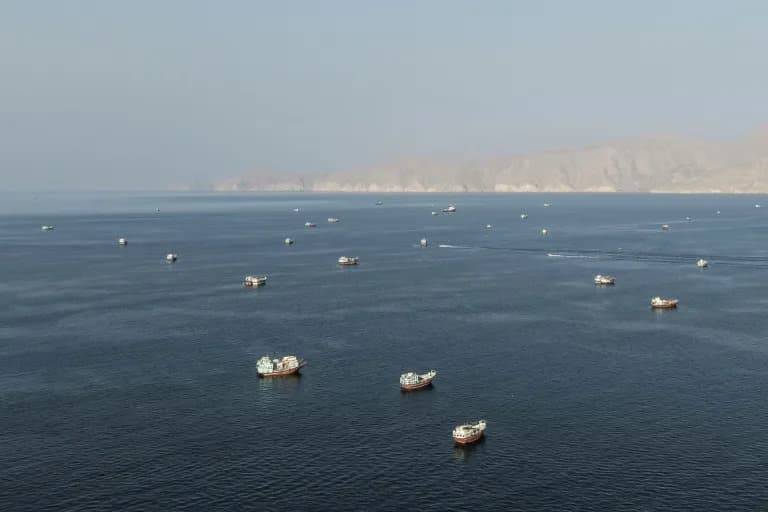
France — "Ready to support": President Emmanuel Macron called for the "urgent and unconditional reopening of the Strait of Hormuz," saying France and the UK were "ready to support." He added that France would back efforts by Lebanese authorities to restore state sovereignty and insisted the agreement "must address concerns related to Iran's nuclear and ballistic programs."
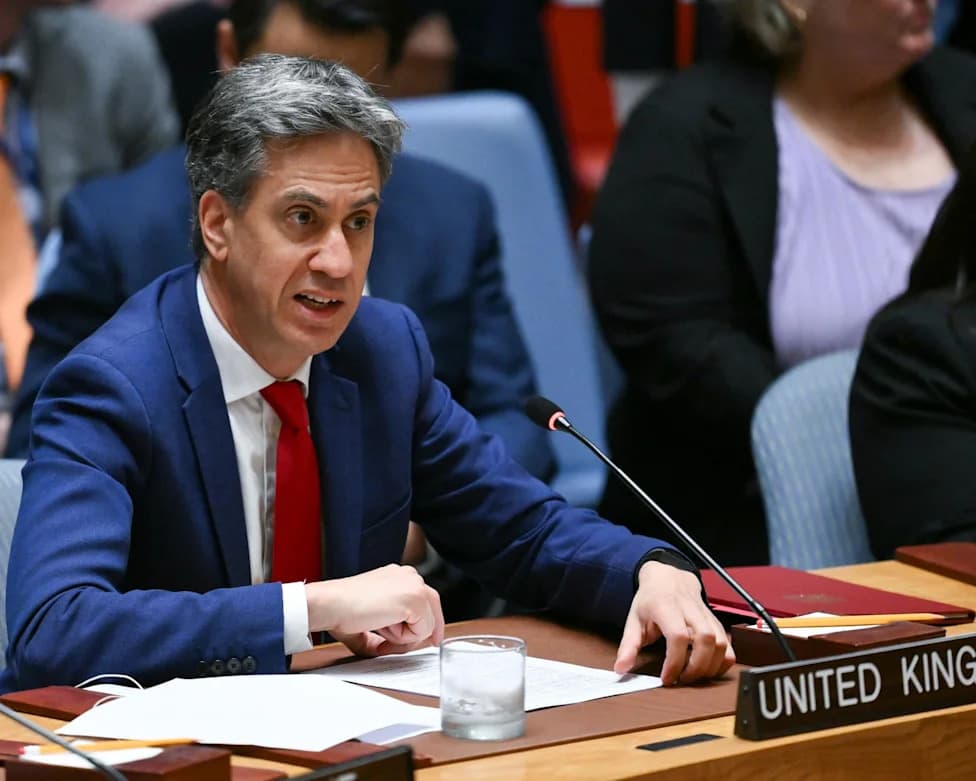
UK — "Mine clearance": Prime Minister Keir Starmer urged that "toll-free freedom of navigation must now be restored in the Strait of Hormuz," and said the UK stood ready "to offer support on mine clearance." Starmer reiterated that "It remains the UK's firm and longstanding position that Iran must never have a nuclear weapon."
Qatar — "Regional security": Qatar's foreign ministry voiced its "full support for all efforts and initiatives aimed at enhancing regional security and stability," emphasizing diplomacy and cooperation.
Turkey — "Remain vigilant": President Recep Tayyip Erdogan warned of the "need to avoid rhetoric, provocations and actions that could escalate tensions in the period leading up to the signing of the agreement," and urged vigilance against possible sabotage.
Japan — "Free and safe navigation": Prime Minister Sanae Takaichi said she hopes "free and safe navigation through the Strait of Hormuz will actually be ensured," and that a final agreement on Iran's nuclear issue and other outstanding matters will be achieved promptly.
Australia — "Longstanding concerns": Prime Minister Anthony Albanese and Foreign Minister Penny Wong called for "continued restraint and constructive engagement" from both sides, and said "Iran must address longstanding concerns about its nuclear program and the threat it poses to international security."
New Zealand — "Get fuel flowing": Prime Minister Chris Luxon said reopening the Strait of Hormuz "will help restore stable trade routes, get fuel flowing and keep our economy moving."
What Comes Next
Leaders emphasised immediate priorities: reopening key maritime routes, ensuring safe navigation (including mine clearance), and launching diplomatic work to resolve nuclear and ballistic concerns. Observers cautioned that implementation, verification and ongoing diplomacy will determine whether the deal delivers a durable peace.
Help us improve.