A German arms company is negotiating to manufacture Ukraine’s Flamingo cruise missile, a development that highlights Kyiv’s growing technical influence in Europe’s defense sector, according to reporting by The New York Times.
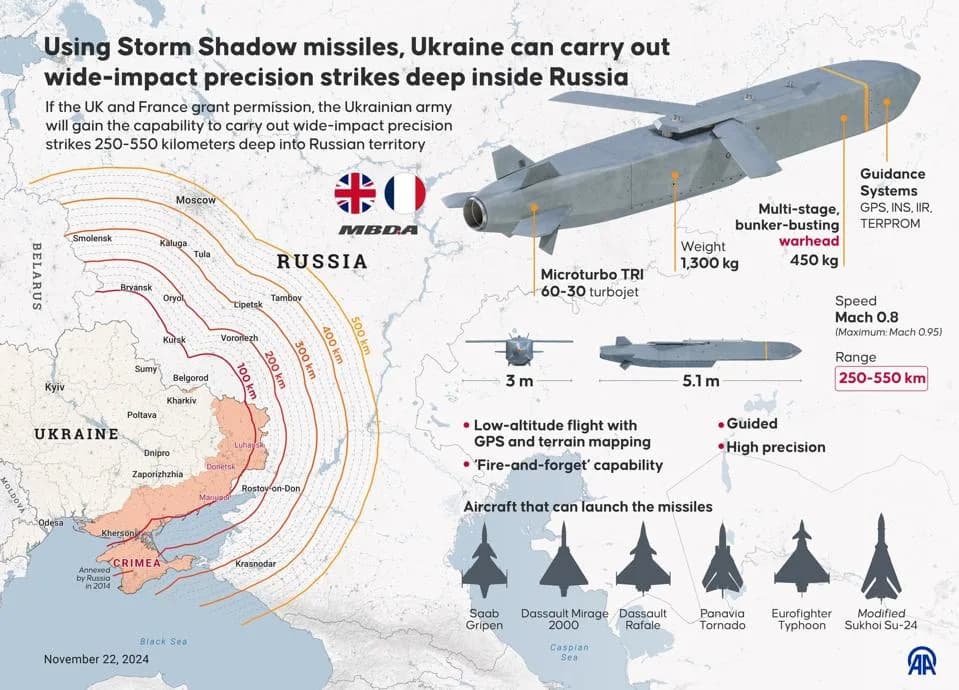
The Flamingo has reportedly been used in strikes on Russian industrial targets more than 100 miles from the frontline, underscoring its operational range and impact. The move to produce the weapon in Germany would mark a notable step in industrial cooperation between Ukraine and NATO members.
Ukraine As An R&D Hub
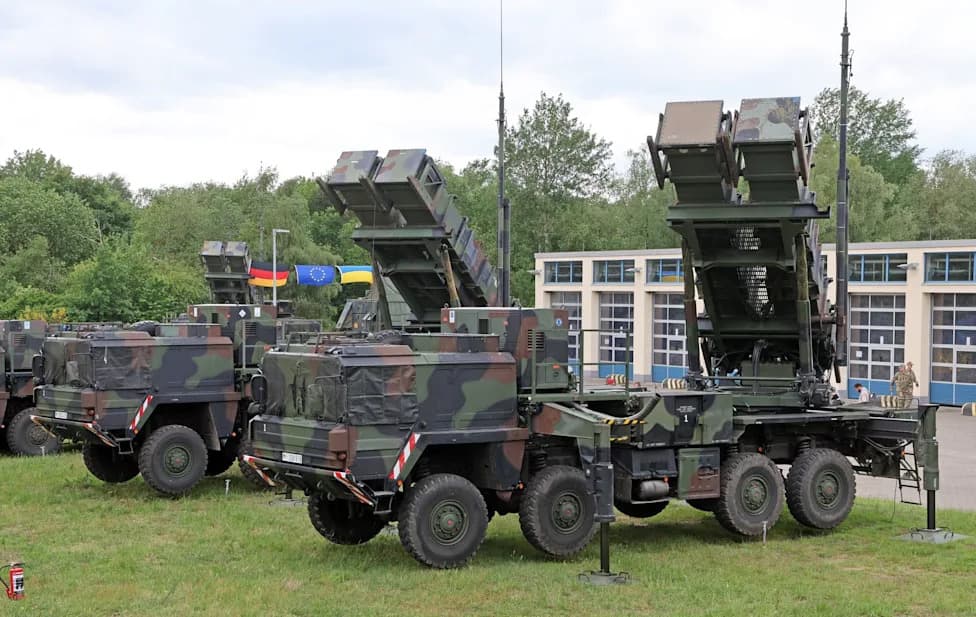
Beyond the Flamingo, Ukraine has emerged as a source of advanced military technologies, including anti-air missiles, unmanned aerial systems (drones) and drone-interceptor systems. Ukrainian engineers and manufacturers have drawn increasing interest from NATO partners seeking new capabilities and wartime-tested designs.
Strategic Implications For NATO
Germany’s interest in domestic production follows a shift in U.S. policy: President Donald Trump canceled plans to deploy U.S.-made Tomahawk cruise missiles to Europe, and the United States has signalled it will reduce the number of aircraft and warships available for NATO operations in the region, the NYT reported. Those developments have accelerated efforts by Berlin and other allies to identify non-U.S. suppliers and to deepen industrial ties with Ukraine.
If the German negotiations move forward, they could strengthen European defense supply chains, speed access to proven weapon systems for NATO partners, and further integrate Ukrainian arms producers into wider allied procurement and support networks.
Note: Details of the talks and any potential production agreement remain subject to confirmation and official announcements.