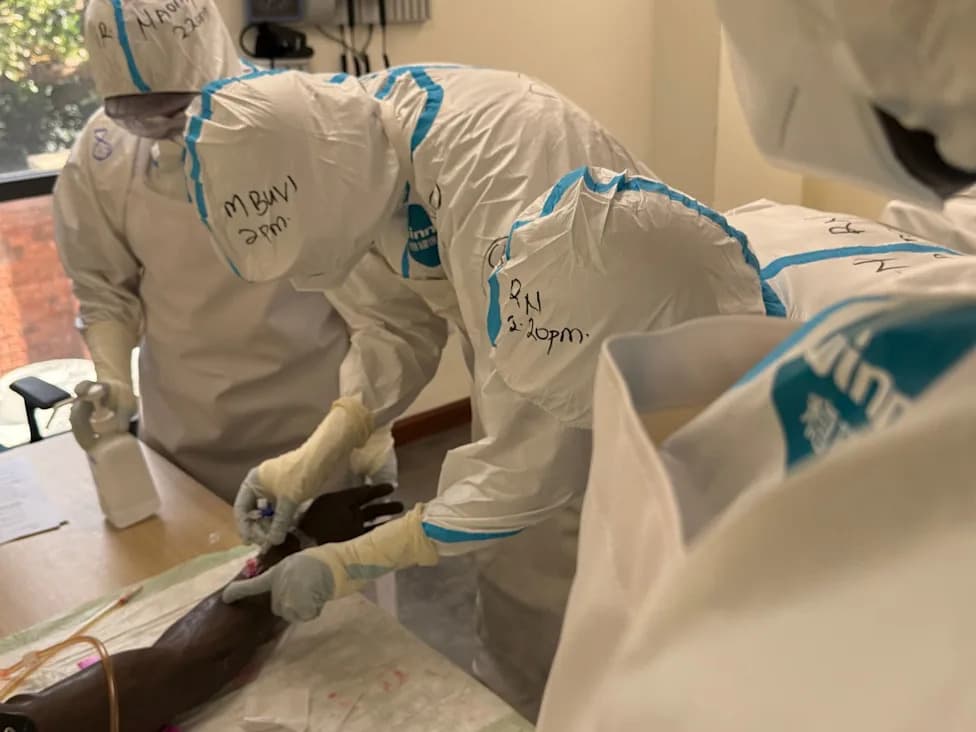
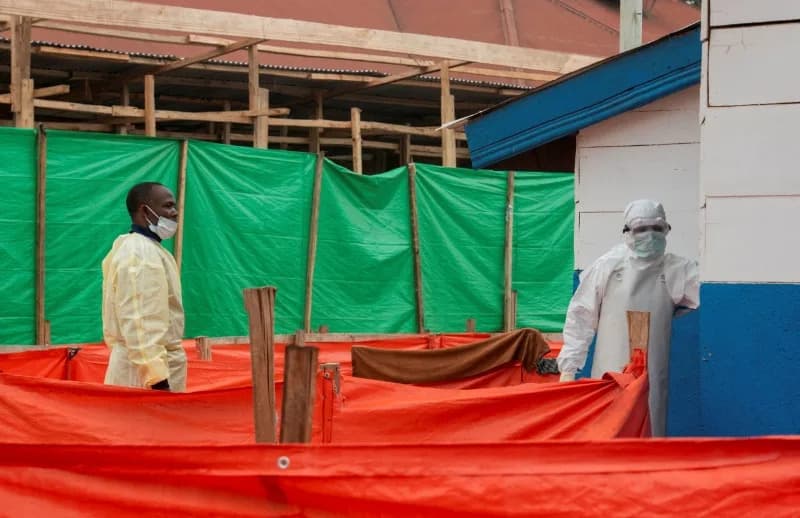
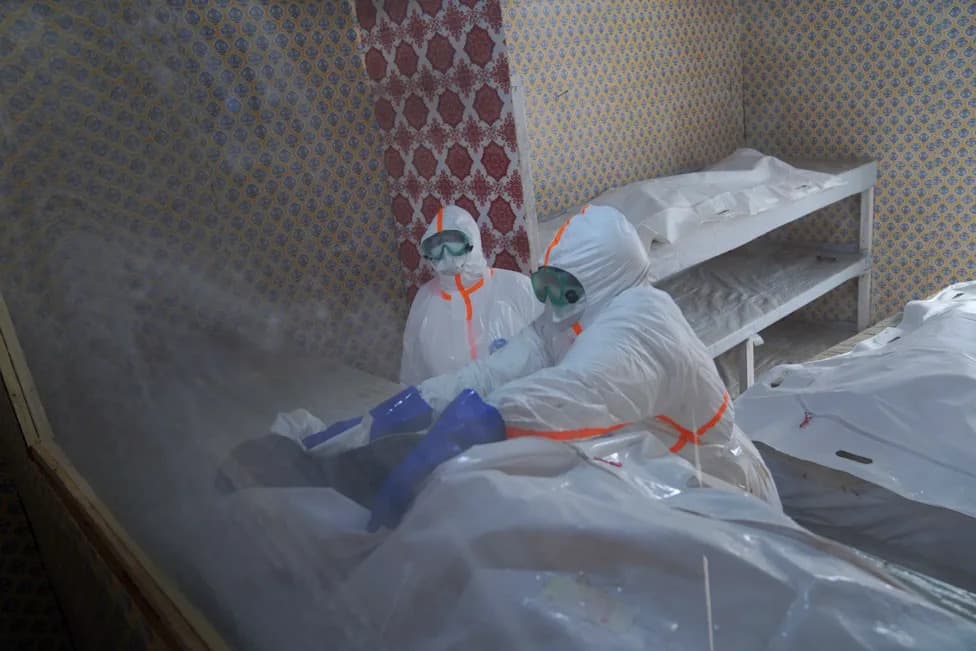
The DRC has reported 782 confirmed Ebola cases and 181 deaths; officials believe the real toll is likely higher because the outbreak was confirmed weeks after it began and contact tracing has fallen to 56%. Laboratory testing shows the Bundibugyo strain is responsible, and there is currently no approved vaccine or specific treatment for this strain. More than 90% of cases are in Ituri province, where conflict, mass displacement and remote terrain are hampering response efforts; cases have also been recorded in neighboring Uganda.
Ebola Cases in Eastern DRC Rise to 782; Death Toll Hits 181 as Bundibugyo Strain Spreads
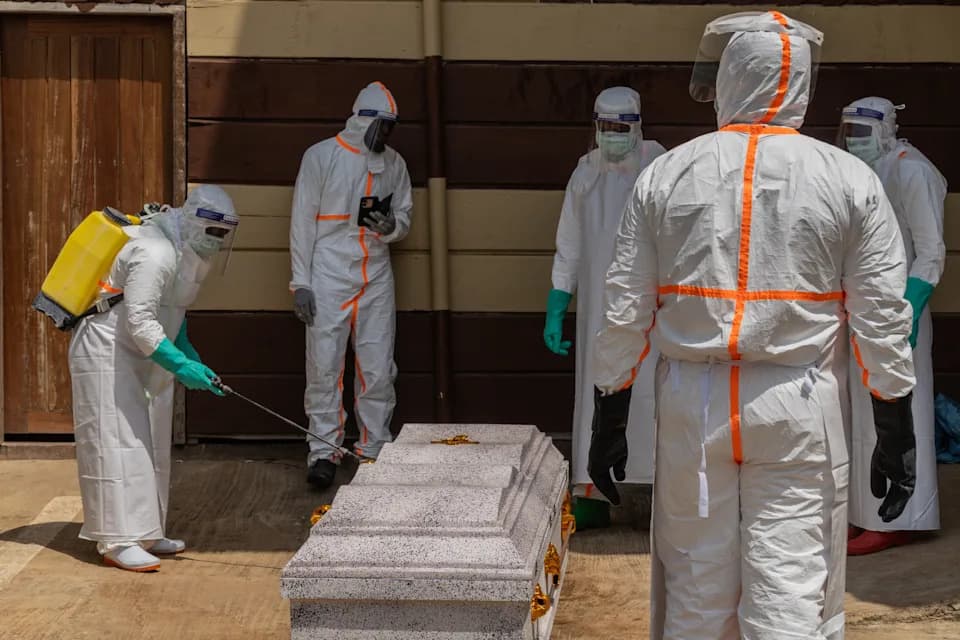
Health workers prepare the coffin of Angèle Muyumba Nsimire, a university student who died of Ebola at the Citadelle Clinic in Bunia, Congo, Friday, June 12, 2026. (AP Photo/Moses Sawasawa)(AP Photo/Moses Sawasawa)
The Democratic Republic of Congo's Ministry of Health reported on social platform X that confirmed Ebola cases have reached 782, with 181 deaths recorded so far.
Health authorities warn the true number of infections is likely higher: the outbreak was only officially confirmed on May 15, weeks after it is believed to have begun, and contact tracing coverage has fallen to 56%, a steep decline from the previous week.
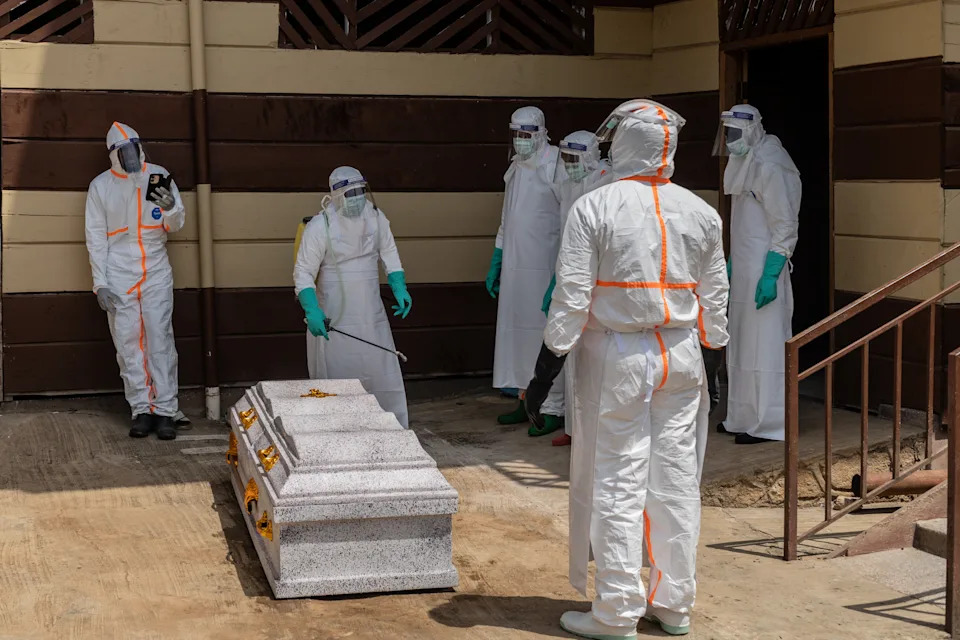
Health workers prepare the coffin of Angèle Muyumba Nsimire, a university student who died of Ebola at the Citadelle Clinic in Bunia, Congo, Friday, June 12, 2026. (AP Photo/Moses Sawasawa)(AP Photo/Moses Sawasawa)
Bundibugyo Strain Identified
Laboratory testing has identified the outbreak as being caused by the Bundibugyo strain of the Ebola virus. Unlike the Zaire strain that drove most of the DRC's prior outbreaks, Bundibugyo currently has no approved vaccine or specific antiviral treatment.
To date, 56 people have recovered, and the ministry reports a provisional case fatality rate of 23%.
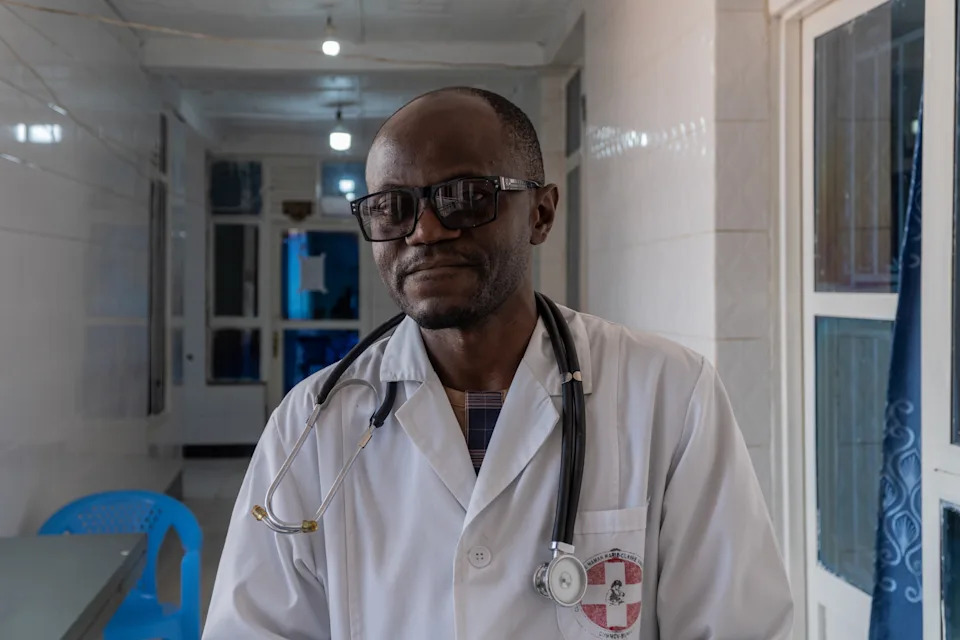
Dr Jean Marc Shimbi, Medical Director of the Marie Claire Vandekerckhove Clinic, poses for a photo in Bunia, Congo, Friday, June 12, 2026. (AP Photo/Moses Sawasawa)(AP Photo/Moses Sawasawa)
Where the Outbreak Is Concentrated
More than 90% of cases are concentrated in Ituri province in eastern DRC. Additional cases have been recorded in North Kivu and South Kivu provinces, and infections have crossed the border into Uganda.
Challenges to Containment
Contact tracing and response efforts are being undermined by multiple factors: nearly one million people displaced in Ituri because of armed conflict (according to the U.N. humanitarian office), frequent population movements, remote and densely forested terrain with poor roads, and many isolated villages that can take days to reach.
The mobility of thousands of artisanal miners, who regularly move between remote sites, further complicates tracking and containment. Reports of attacks on health workers, local distrust and skepticism, and ongoing armed clashes in hotspot areas are additional serious obstacles.
International Response Note
U.S. officials had proposed placing Americans exposed to Ebola abroad in a quarantine facility at Laikipia Air Base in Kenya with 50 beds rather than repatriating them to the United States. The plan prompted protests and legal challenges and was subsequently halted by the courts.
Outlook: Rapid strengthening of contact tracing, community engagement, secure access for health teams, and cross-border coordination with Uganda will be critical to containing this Bundibugyo outbreak.
Help us improve.