At a festival in Bernburg, AfD's Ulrich Siegmund is drawing crowds while mainstream tents struggle for attention. Polls place AfD at about 41% in Saxony‑Anhalt versus the CDU's roughly 25%, raising the prospect of an unprecedented AfD‑led state government on Sept. 6. The surge reflects deep economic malaise — stagnant growth, job losses and external shocks from China and the Middle East — combined with anxieties over migration and welfare. Chancellor Merz's reforms and spending may help, but analysts warn structural change is also required to restore growth and social confidence.
Why Voters in Saxony‑Anhalt Are Turning to the Far Right — and Why Germany Is Watching
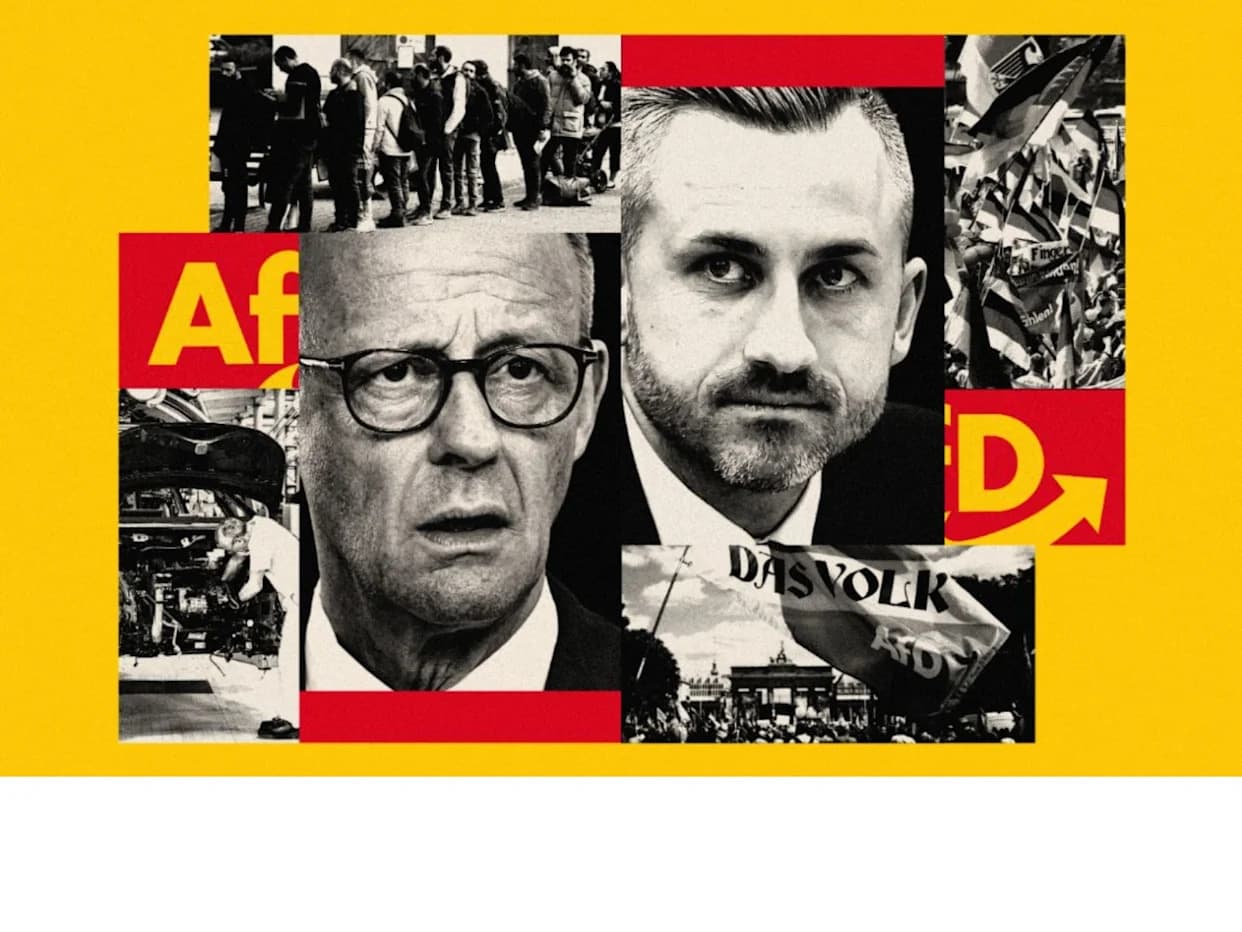
How Germany’s economic doom loop could put AFD in power
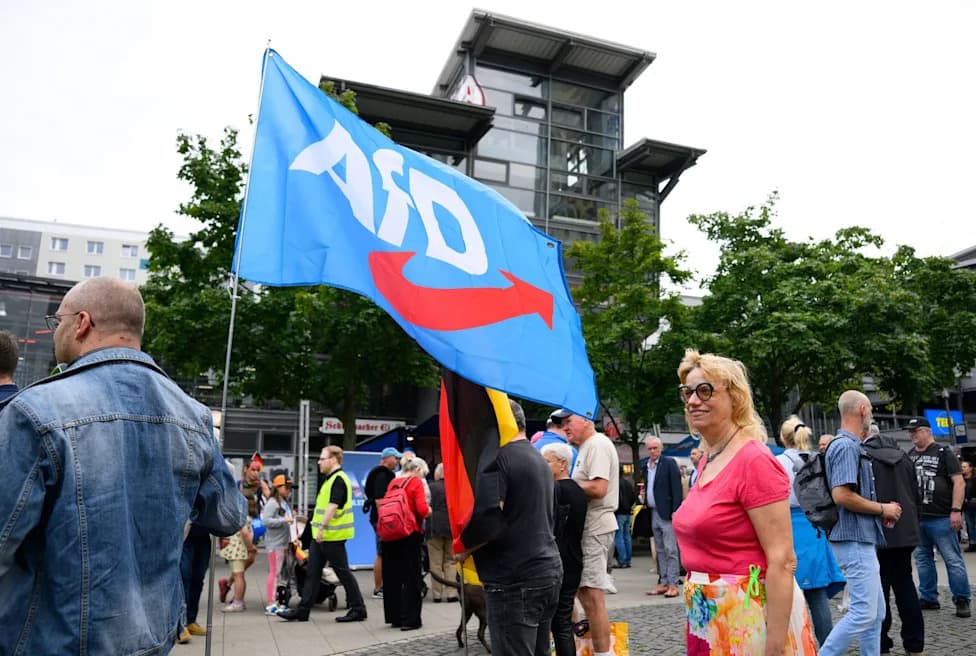
At the Saxony‑Anhalt state festival in Bernburg, a modest riverside town roughly two hours south‑west of Berlin, the familiar fairground scenes — music, street food and community stalls — belie a political shift that has captured national attention.
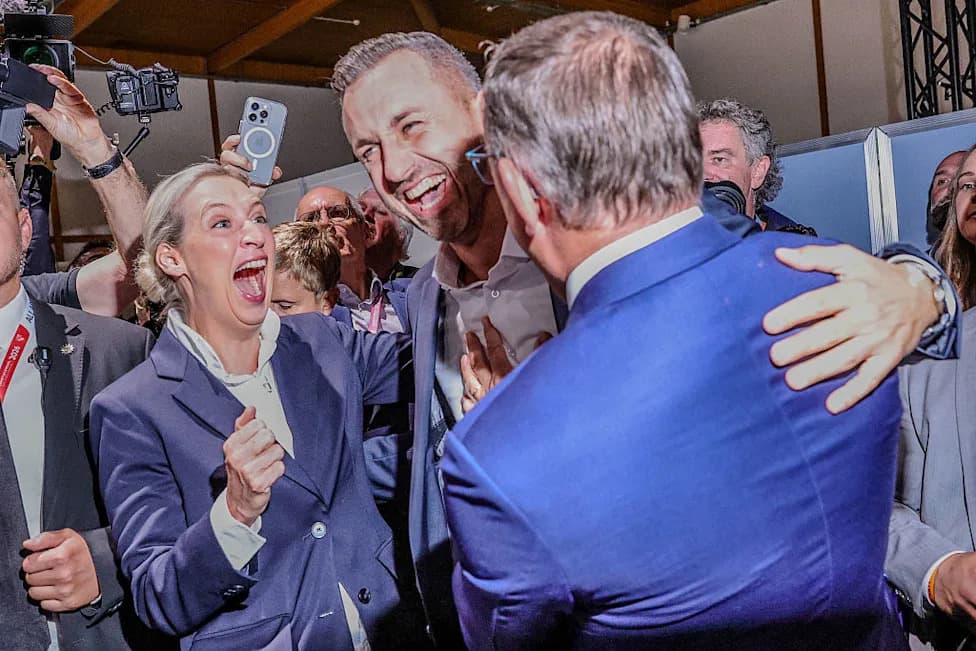
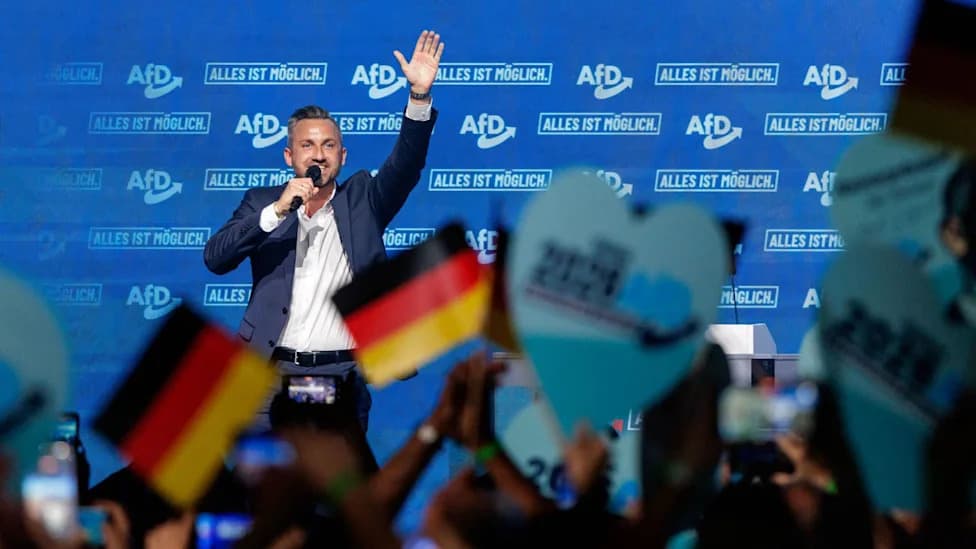
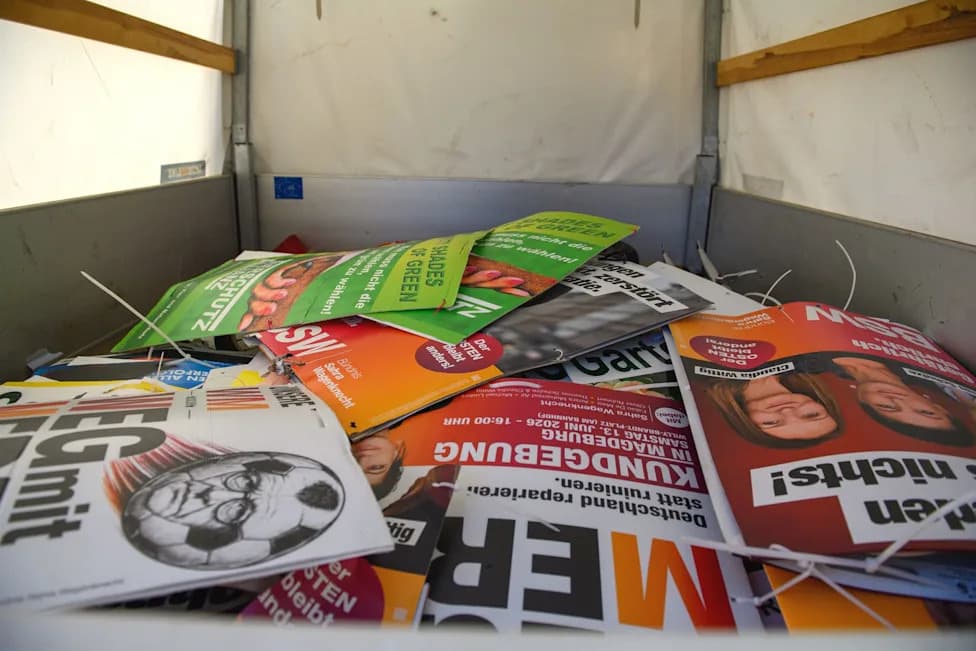
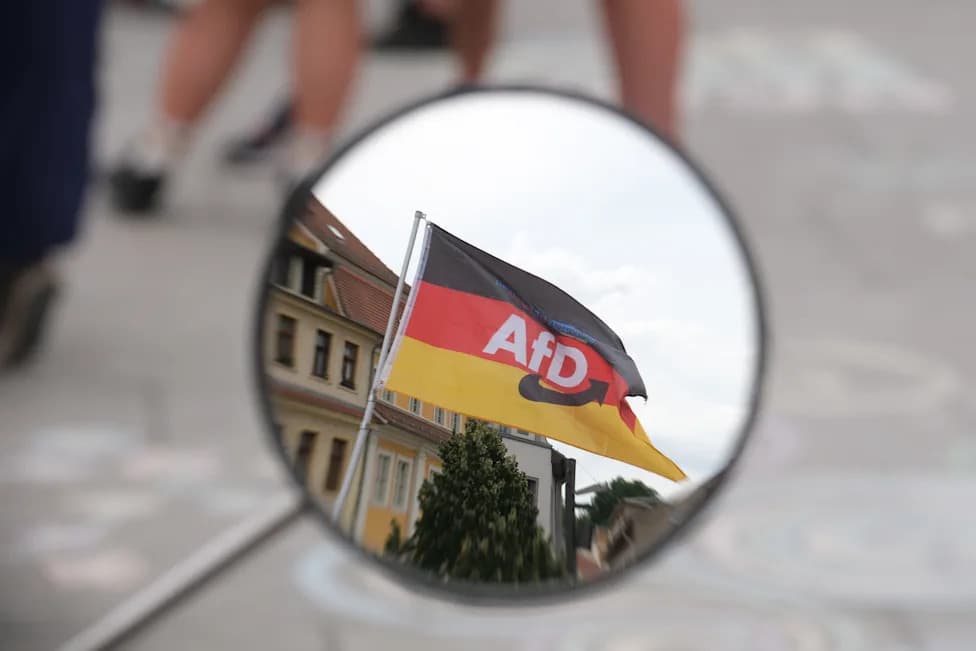
On a row of pavement set aside for party campaigning, most tents draw polite indifference: the Left Party runs a spin‑the‑wheel, the Greens offer face‑painting and the Free Democrats host a fishing game. By contrast, Alternative für Deutschland (AfD) has a packed stand. Ulrich Siegmund, the party's 35‑year‑old state leader, greets supporters, poses for selfies and speaks to crowds as if he were a local celebrity.
Polling, Politics and Panic
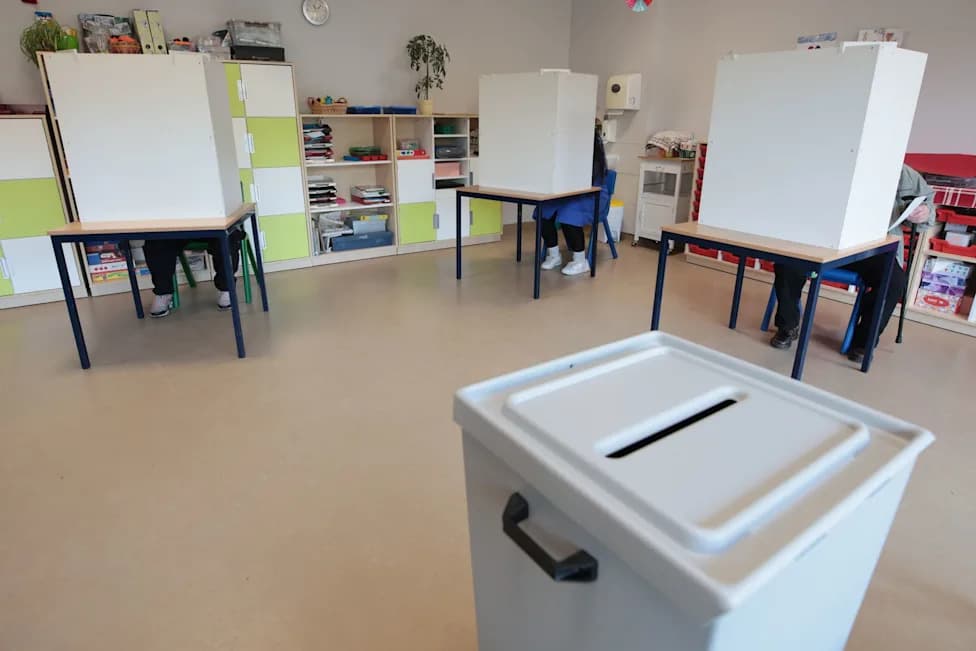
Recent polls put AfD at about 41% in Saxony‑Anhalt — roughly double its result five years ago — while the Christian Democratic Union (CDU), led nationally by Chancellor Friedrich Merz, hovers near 25%. If those numbers hold, AfD could lead a state government after the September 6 election, a breakthrough unprecedented in modern Germany that has alarmed political leaders in Berlin.
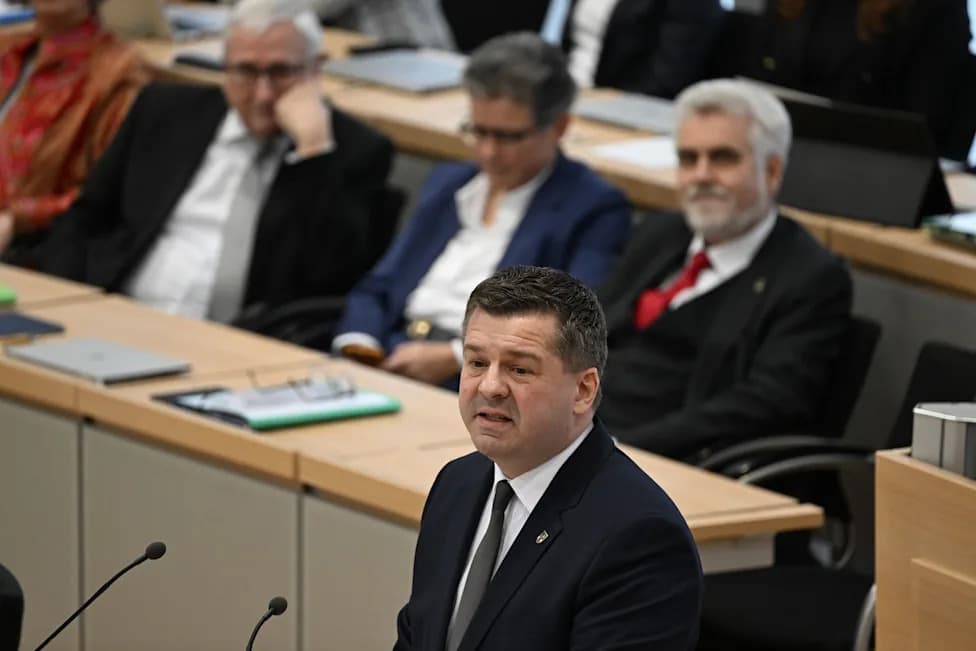
"The whole of Germany is looking at Saxony‑Anhalt," warns Andreas Silbersack, the FDP parliamentary leader in the state. "If AfD breaks through here, it will be very difficult to stop this train."
Not Just Local Grievances
Party isolation tactics have kept AfD off many governing coalitions, but they have not stemmed its appeal on the ground. Trade unionists and pollsters say many AfD voters are not hard‑right ideologues but citizens who feel economically and culturally squeezed. According to Forsa pollster Peter Matuschek, two‑thirds of Germans expect the economy to worsen, and only about 15% expect improvement — a pessimism that consistently ranks as the public's top concern.
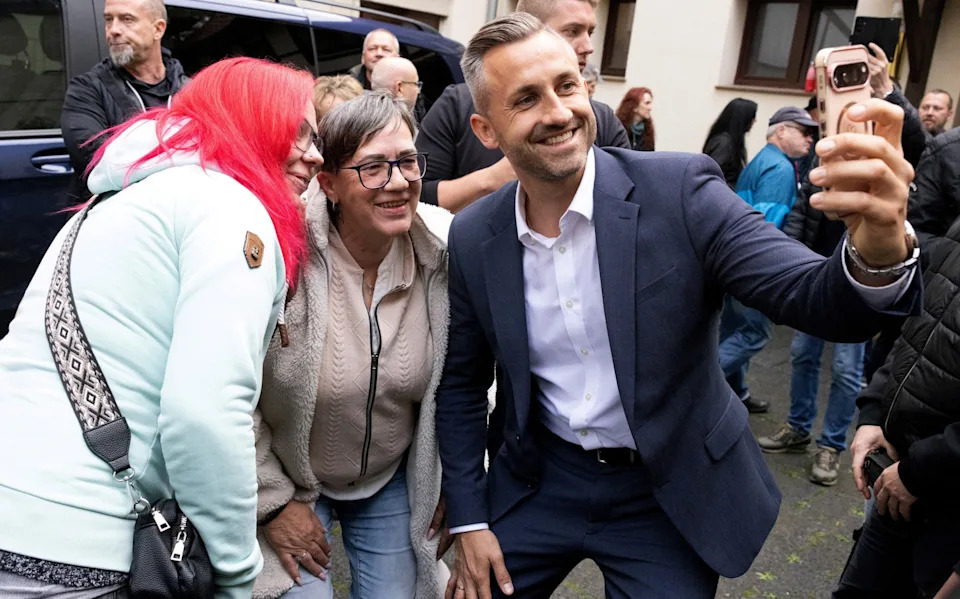
‘We want our old, safe Germany back’, said Ulrich Siegmund during AfD’s Saxony-Anhalt campaign launch - Liesa Johannssen/Reuters
Economic Headwinds
Germany's economy has struggled for years. Excluding the Covid rebound, quarterly growth has not topped 1% since 2019, and the economy has only recently returned to its pre‑pandemic size. Key problems include high energy costs, heavy regulation, rising job insecurity and intense competition from subsidised Chinese exports.
Analysts warn of several external and structural shocks: the Iran war, which threatens higher energy prices; a recent ECB rate rise to 2.25%; and what commentators call 'China Shock 2.0', where cheap, heavily subsidised Chinese goods undercut German manufacturers. The Centre for European Reform estimates a roughly 40% fall in exports to China as a share of GDP over five years, costing an estimated 400,000 jobs.
Local Impact: Job Losses and Decline
Saxony‑Anhalt has felt the pain acutely. Intel cancelled plans for a Magdeburg chip plant that would have created about 3,000 jobs; chemical firm DOMO cut roughly 600 positions in the state; and regional manufacturer Anhaltisches Elektromotorenwerk Dessau went bankrupt. Unemployment reached about 6.4% in April and has eased only marginally to around 6.3% — near pandemic levels.
Those closures ripple through supply chains, local services and municipal finances, amplifying a long‑standing post‑reunification wound. After 1990 many eastern industries vanished and unemployment once topped 20%, leaving enduring social and cultural grievances that parties like AfD now channel.

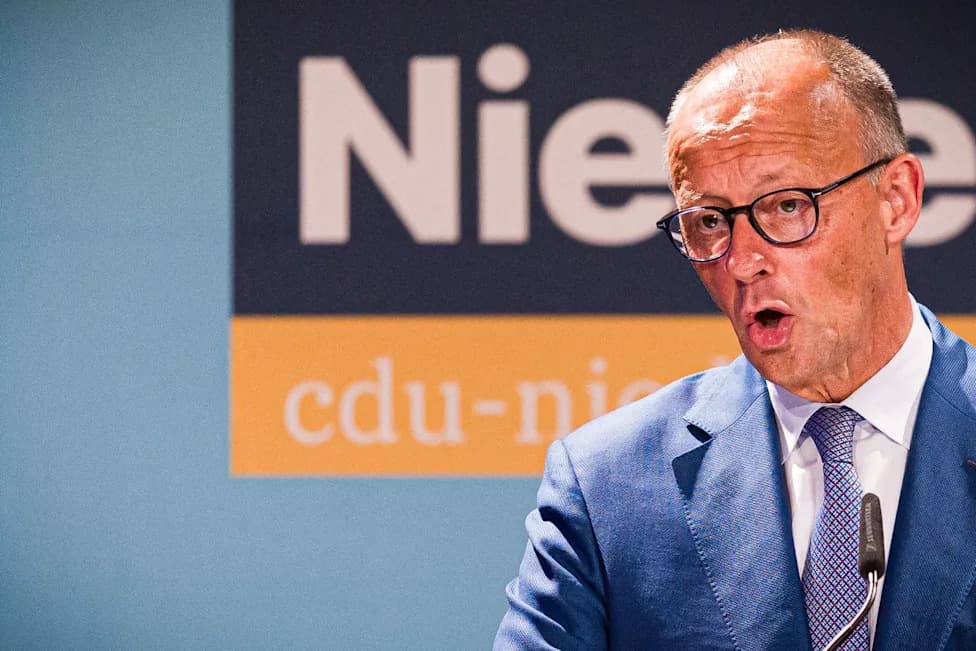
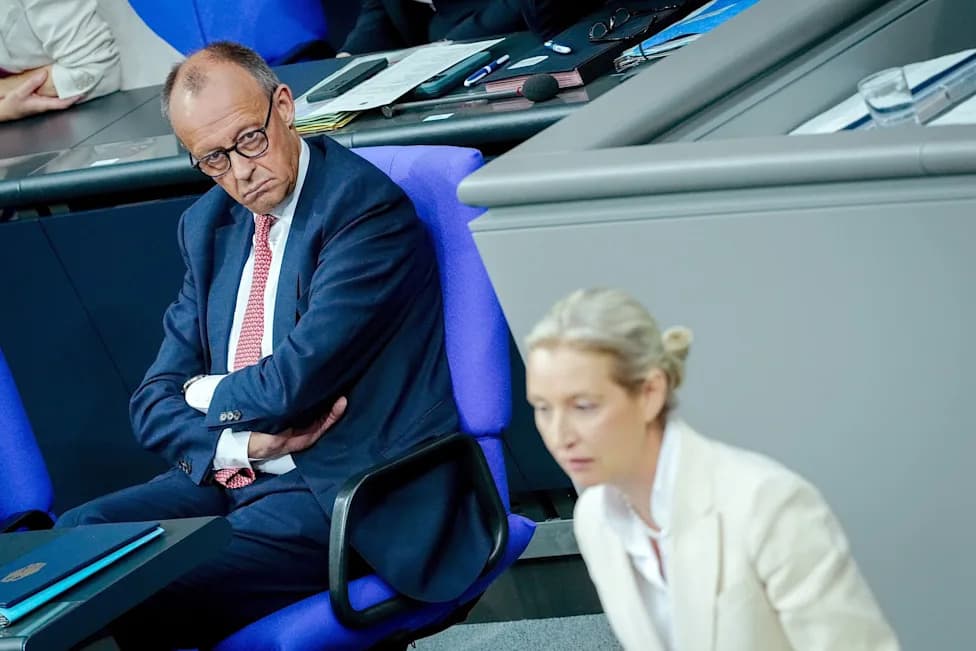
Friedrich Merz is trying to prime the economic pump with billions of taxpayer euros for infrastructure and defence - Neil Hall/Shutterstock
Migration, Welfare and Political Friction
AfD has focused its message on immigration and social benefits. Campaign slogans such as 'Deportation From Minute One' and 'Our Country, Our Culture' underline migration as the party's rallying cry. Roughly one‑fifth of Germany's 84 million residents are first‑generation migrants; counting second‑generation migrants, about a quarter of the population has a migrant background. Germany's fertility rate stands at about 1.35 children per woman, intensifying debates about the need for skilled migration versus public concerns about integration and welfare costs.
Policy debates have centred on Bürgergeld — the social safety net whose core payment was raised by about 12% in 2024 to roughly €563 a month before housing and energy supplements. Chancellor Merz plans to replace it in July with a 'Neue Grundsicherung' that allows stricter sanctions, temporary benefit docking and requirements to accept cheaper housing. Critics on the left argue that headlines exaggerate the numbers of people refusing work; AfD and parts of the public counter that the system appears to favour newcomers.
What Comes Next
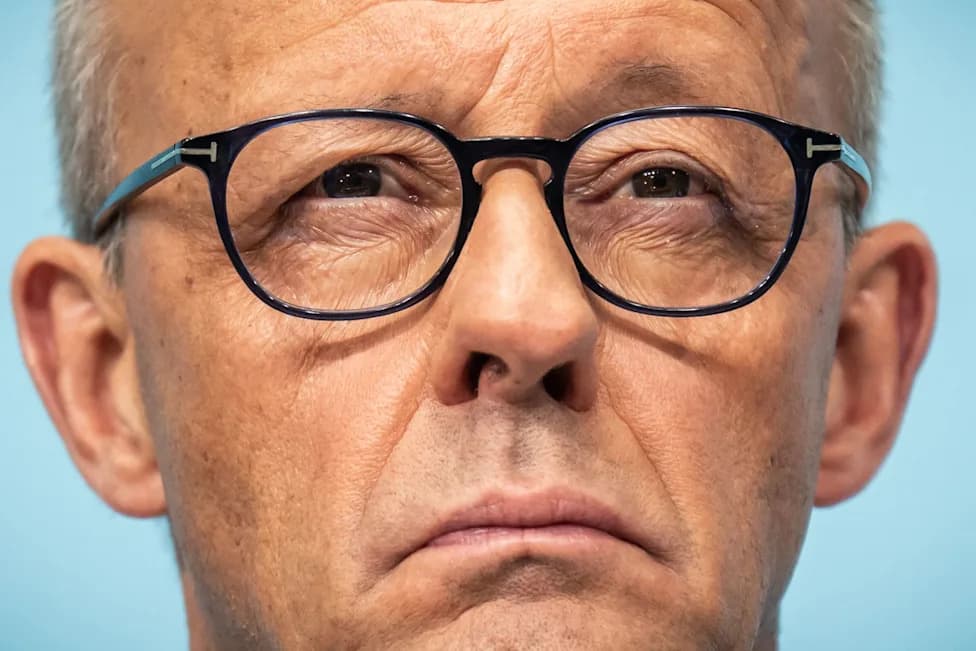
Chancellor Merz has pushed spending on infrastructure and defence to jump‑start growth and created commissions to address pensions and healthcare sustainability. Economists caution, however, that spending without deeper structural reform may deliver only a temporary lift. As Carsten Brzeski of ING puts it, reforms that lack lasting competitiveness gains risk being little more than a 'flash in the pan.'
With the Saxony‑Anhalt election approaching, national politicians watch nervously. An AfD victory would force difficult constitutional and practical questions about cooperation with a party the domestic intelligence service has flagged for extremist tendencies. For many Germans the immediate concern is pragmatic: will policy changes restore jobs, competitiveness and public confidence — or will an undermined welfare state and persistent economic stagnation push more voters toward populist alternatives?
Help us improve.