About ten years after the 2016 referendum, Brexit remains a dominant issue in British politics. Labour’s "reset" has delivered only limited gains, with stalled talks on security, fisheries and youth mobility and a high price attached to some cooperation proposals. Economic concerns (an estimated –8% hit to GDP), shifting geopolitics and electoral strategy are driving fresh debate about deeper alignment or even rejoining the EU. Each option – a customs union, single market access, or full re-entry – carries difficult trade-offs and costly negotiations.
Why Brexit Still Haunts British Politics: Reset, Rejoin or Remain Divided?
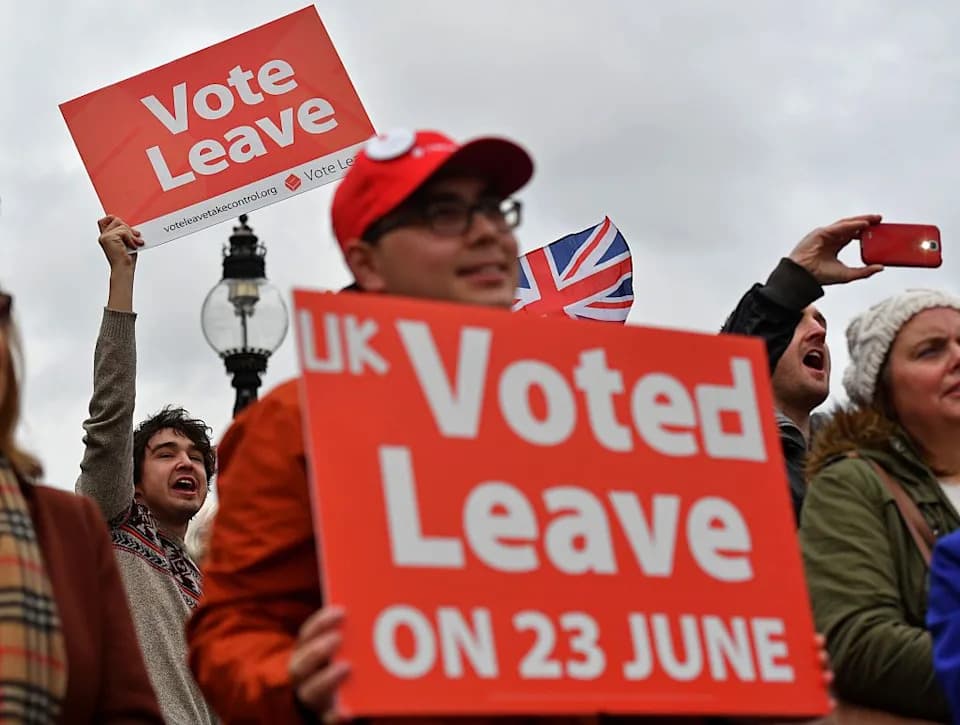
Protestors hold placards during an anti-European Union demonstration outside the Houses of Parliament in London, on November 23, 2016. —Ben Stansall—AFP/Getty Images
About a decade after the 2016 referendum, Brexit remains a central and unsettled issue in British politics. Recent debates inside the governing Labour Party — most notably comments by Wes Streeting calling Brexit a "catastrophic mistake" — have reignited discussion about whether the U.K. should deepen ties with the EU or even aim to rejoin. Behind the headlines, however, practical, political and financial obstacles make any change complicated.
How We Got Here
After the 23 June 2016 referendum, Brexit formally took effect in January 2020. The Trade and Cooperation Agreement (TCA), agreed at the end of the transition period, remains the legal basis for most U.K.–EU relations. The U.K. left the single market about a year later and has since pursued a mixed approach to regulatory autonomy, exercising it selectively rather than wholesale.
The ‘Reset’ and What It Has Achieved
When Keir Starmer’s Labour government took office it launched a so-called "reset" to remove frictions built into the post-Brexit settlement and to repair the trading relationship where possible. In May 2025 the U.K. and EU agreed an agenda to negotiate on agricultural trade, linking emissions trading systems, potential U.K. participation in the EU internal electricity market, and a youth mobility scheme, alongside closer security cooperation.
Progress since that summit has been limited. France secured a 12-year extension on fisheries arrangements, and talks on participation in the Security Action for Europe (SAFE) collapsed after the EU attached a roughly €150 billion price tag. Technical talks on agriculture, emissions trading and electricity market access continue, but disagreements persist — especially over how far the EU can expect the U.K. to align with its rules without having a formal say in them.
Youth Mobility, University Fees and Practical Sticking Points
Youth mobility negotiations have stalled partly because the U.K. wants to cap participants while the EU rejects that limit. Another sensitive issue is fee status for EU students: Brussels argues that European students at U.K. universities should retain "home" fee status (about £9,500), rather than paying the much higher international rates that many currently pay.
Domestic Politics And The Leadership Question
Labour’s poor showing in local elections deepened internal debate. Wes Streeting’s intervention — and his potential leadership ambitions — have amplified talk of a pro-European shift. Yet his comments were deliberately vague: calling Brexit a "catastrophic mistake" and saying the U.K. should be "within Europe" one day does not amount to a specific policy plan.
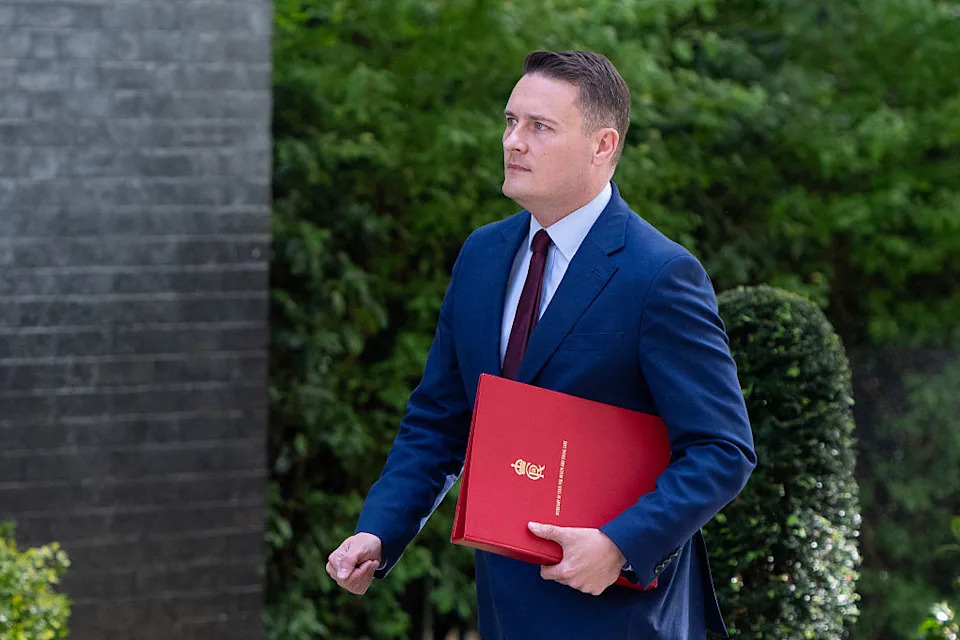
Wes Streeting, arrives at Downing Street for a cabinet meeting in London, United Kingdom on May 12, 2026. —Thomas Krych—Getty Images
Labour’s membership and many party activists are more pro-EU than the broader electorate, making pro-European rhetoric attractive in leadership contests. Polling shows wide, but not unanimous, public support for reconsideration of the U.K.’s relationship with the EU: a recent poll cited in the article places support for rejoining at 58% among likely voters and 84% among Labour voters.
Economic And Geopolitical Drivers
Economic anxiety is a major factor: Chancellor Rachel Reeves has cited government estimates that Brexit has reduced U.K. GDP by around 8%. Even if the current "reset" achieved all its aims, projected gains would amount to well under 1% of GDP — too small to erase the broader cost. Geopolitical shifts, notably doubts about the reliability of the U.S. security guarantee under President Donald Trump, have also pushed some British politicians toward closer European cooperation on defense and regulation (for example, on AI).
What Are The Options — And Trade-Offs?
Broadly, three paths are discussed:
- Customs Union: Would reduce border friction with the EU but constrain the U.K.’s ability to strike independent trade deals, and likely yield modest economic gains.
- Single Market Membership: Would provide substantial market access but require the U.K. to adopt EU rules across many sectors without formal influence, plus renewed freedom of movement and sizeable budget contributions.
- Full EU Re-Entry: Would restore full membership rights but trigger demanding accession negotiations and domestic debates; past opt-outs (such as the Thatcher rebate or euro exemption) are unlikely to be reinstated.
From Brussels’ perspective, the EU is unlikely to grant bespoke privileges: it will press for clear obligations in exchange for benefits to avoid encouraging other member states to seek special treatment. Evidence for this posture includes the financial demands attached to SAFE and the U.K.’s short-term participation costs in programmes such as Erasmus+ (more than half a billion pounds for one-year participation).
Political Reality And Next Steps
Any move toward deeper alignment or rejoining would ultimately depend on internal U.K. politics — the identity of the prime minister, the outcome of leadership contests, public opinion trends, and whether growth can be achieved by other means before the next election. Rejoining would likely require painful trade-offs: higher net contributions (estimates suggest the U.K. could pay roughly £5 billion a year more without its old rebate), acceptance of EU rules, and renewed freedom of movement.
In short, a decade on from the referendum, Europe still casts a long shadow over British politics. The debate has shifted from ideological argument to practical choices: which trade-offs is the U.K. willing to accept to reduce the economic and political costs of Brexit?
Note: All figures and events are based on the reporting and public statements cited in the original article.
Help us improve.